




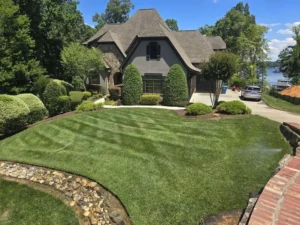
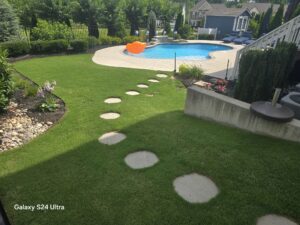
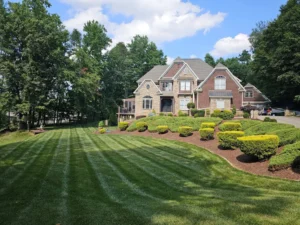


A lush, green lawn is one of the biggest sources of pride for homeowners in Mooresville, North Carolina. It creates a welcoming first impression, increases property value, and provides the perfect space for outdoor gatherings with family and friends. Unfortunately, summer is also the season when destructive lawn insects become most active.
If you’ve recently noticed brown patches, thinning grass, or sections of your lawn that seem to be dying for no obvious reason, insects may be the hidden culprit. Many homeowners assume these issues are caused by heat or lack of water, but damaging insects often attack beneath the surface long before visible symptoms appear.
Understanding the Common Summer Lawn Insects in Mooresville North Carolina is the first step toward protecting your investment. Early identification combined with professional treatment can prevent thousands of dollars in lawn repairs and keep your landscape healthy throughout the growing season.
Whether you’re dealing with grubs, armyworms, chinch bugs, or sod webworms, knowing what to look for can save your lawn before permanent damage occurs.
Need a professional inspection? Contact our local lawn care specialists today for a customized lawn health evaluation and receive a free estimate before the damage spreads.
Why Summer Lawn Insects Are a Serious Problem in Mooresville
Mooresville experiences warm temperatures, consistent humidity, and frequent summer rainfall. While these conditions help grass grow rapidly, they also create the perfect environment for insects to reproduce.
Unlike diseases that often develop slowly, lawn insects can destroy large areas of turf in just a few days under favorable conditions.
Some pests feed directly on grass blades while others attack the root system underground. Once roots are damaged, even regular watering cannot save the grass because it can no longer absorb nutrients properly.
Many infestations begin unnoticed because insects remain hidden beneath the soil or only feed at night. By the time homeowners recognize the problem, extensive sections of the lawn may already require renovation.
Professional inspections allow these problems to be identified before visible damage becomes severe.
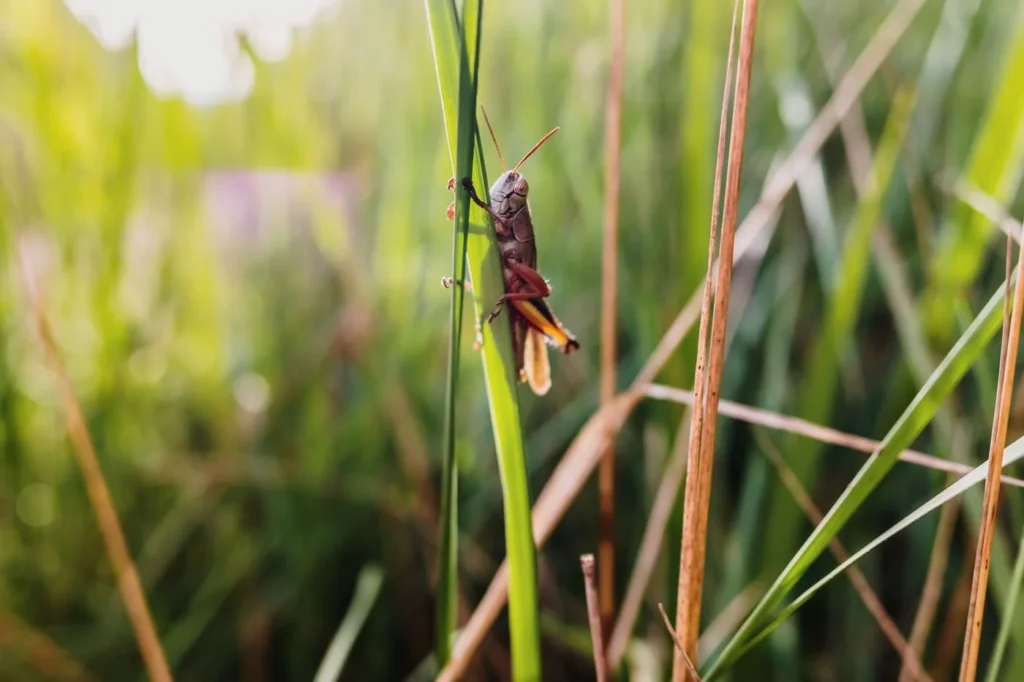
The Most Common Summer Lawn Insects in Mooresville North Carolina
Every lawn faces different challenges depending on grass type, irrigation practices, surrounding trees, and weather conditions. However, several insects consistently cause the majority of lawn damage across the Lake Norman area.
White Grubs
White grubs are among the most destructive lawn insects in North Carolina.
These larvae feed on grassroots beneath the soil surface, preventing your lawn from absorbing moisture and nutrients.
Common warning signs include:
- Brown patches that continue growing
- Turf that feels loose when pulled
- Increased activity from birds digging in the lawn
- Raccoons or moles damaging the yard
- Grass that lifts like loose carpet
Without treatment, grub populations can spread rapidly throughout the property.
Chinch Bugs
Chinch bugs thrive during hot, dry summer weather.
Instead of eating roots, they suck moisture directly from grass blades while injecting toxins that prevent healthy growth.
Many homeowners mistake chinch bug damage for drought stress because both create yellow and brown patches.
The difference is that watering alone does not solve a chinch bug infestation.
Professional diagnosis is essential before applying treatments.
Armyworms
Armyworms earned their name because they travel across lawns in large numbers, consuming grass extremely quickly.
During peak outbreaks, entire sections of turf may disappear within days.
Early signs include:
- Ragged grass blades
- Rapid browning
- Increased moth activity
- Caterpillars hiding near the soil surface
Fast intervention is critical.
Sod Webworms
Sod webworms are another common summer pest throughout Mooresville.
Their larvae chew grass blades near the crown, weakening the lawn over time.
You may notice:
- Small irregular brown spots
- Thin patches
- Silk-like webbing early in the morning
- Moths flying low across the lawn at dusk
Professional lawn treatments eliminate larvae before they become widespread.
Billbugs
Billbugs attack warm-season grasses by laying eggs inside stems.
As larvae hatch, they tunnel downward and feed on crowns and roots.
Many homeowners initially believe their lawn simply needs fertilizer when, in reality, insects are causing structural damage.
Early identification dramatically reduces repair costs.
Warning Signs That Your Lawn May Have a Summer Insect Infestation
One of the biggest mistakes homeowners make is waiting until their lawn turns completely brown before seeking help.
Most insect infestations begin weeks before major symptoms appear.
Watch for these early warning signs:
Grass Pulls Up Easily
Healthy grass has a strong root system.
If turf lifts with very little effort, underground insects may already be feeding on the roots.
Irregular Brown Patches
Unlike drought stress, insect damage often appears in random shapes rather than uniform dry areas.
These patches continue expanding despite regular irrigation.
Birds Digging Frequently
Birds naturally hunt grubs and larvae.
An increase in birds pecking at your lawn often indicates insects below the surface.
Increased Mole Activity
Moles don’t eat grass.
They feed on insects living underground.
More mole tunnels often signal larger insect populations.
Lawn Doesn’t Respond to Watering
If irrigation schedules remain consistent but grass continues declining, insects may be preventing nutrient absorption.
A professional inspection can quickly identify the root cause.
Why DIY Treatments Often Fail
Many homeowners purchase insect control products from local garden centers hoping for a quick solution.
Unfortunately, successful lawn insect control depends on far more than simply applying insecticide.
Several factors influence treatment effectiveness:
- Correct insect identification
- Proper timing
- Soil temperature
- Moisture levels
- Grass variety
- Product selection
- Application rate
- Follow-up monitoring
Applying the wrong treatment may waste money while allowing insects to continue multiplying.
Professional lawn care companies understand insect life cycles and know exactly when treatments produce the best results.
The Benefits of Professional Lawn Insect Control
Hiring experienced lawn care professionals offers much more than eliminating pests.
It protects the long-term health and beauty of your property.
Some of the biggest benefits include:
Healthier Root Systems
Healthy roots create stronger grass that withstands heat, drought, and foot traffic.
Lower Long-Term Costs
Preventative treatments are significantly less expensive than replacing large sections of damaged turf.
Better Curb Appeal
A green, healthy lawn enhances your home’s appearance and increases property value.
Customized Treatment Plans
Every property has different soil conditions, grass species, and insect pressures.
Professional services provide personalized treatment plans rather than one-size-fits-all solutions.
Peace of Mind
Instead of guessing which insect is causing damage, you’ll receive an expert diagnosis along with a targeted treatment strategy.
Protect Your Lawn Before Summer Insects Take Over
Summer insects rarely disappear on their own. In fact, many populations continue growing throughout the hottest months, causing more extensive and expensive damage over time.
If you’ve noticed brown patches, thinning grass, increased bird activity, or other signs of infestation, now is the best time to schedule a professional lawn inspection. Early treatment helps preserve your lawn, reduces repair costs, and keeps your landscape healthy all season long.
Call our Mooresville lawn care experts today or request your free estimate online. We’ll identify the problem, recommend the right solution, and help restore the beautiful lawn your home deserves.