








When temperatures drop, lawn care often moves to the bottom of a homeowner’s to-do list. The grass stops growing as quickly, trees lose their leaves, and the yard may appear to need less attention. However, winter is not the time to forget about your lawn.
The steps you take before and during winter can influence how your grass looks when warmer weather returns. Leaves left on the turf, compacted soil, excessive foot traffic, improper mowing, and poor drainage can all contribute to problems that become more noticeable in spring.
Knowing how to protect your lawn during winter helps you maintain your property’s appearance, reduce avoidable damage, and prepare the grass for the next growing season.
In North Carolina, winter lawn care requires a slightly different approach depending on your location and grass type. Tall fescue, which is common throughout the Piedmont and Lake Norman region, behaves differently from warm-season grasses such as bermudagrass, zoysiagrass, and centipedegrass.
That distinction matters when deciding whether to mow, water, fertilize, or leave the lawn undisturbed.
The good news is that protecting your lawn does not have to involve complicated treatments or expensive equipment. A practical maintenance plan, timely cleanup, and attention to changing weather conditions can make a meaningful difference.
Whether you maintain your own yard or prefer to hire a professional, this guide explains what your lawn needs during winter and how to avoid common seasonal mistakes.
Want to prepare your property for winter without spending every weekend on yard work? Request a quote from a local lawn care and landscaping professional to discuss seasonal maintenance options.
Why Winter Lawn Care Matters in North Carolina
North Carolina winters can bring fluctuating temperatures, cold rain, occasional snow, frost, and extended periods of damp weather. These conditions affect lawns differently depending on the grass species, soil conditions, shade, drainage, and amount of foot traffic.
Some grass remains green and continues growing slowly during mild weather. Other grass enters dormancy and turns brown until temperatures become favorable again.
Neither response automatically means the lawn is unhealthy.
The important thing is to protect the grass from preventable stress while recognizing what is normal for your particular turf.
Cool-season and warm-season grasses need different care
Tall fescue is a cool-season grass commonly used in residential lawns throughout central North Carolina. It generally grows most actively during spring and fall, and it can remain green through portions of winter when conditions are favorable.
Bermudagrass, zoysiagrass, and centipedegrass are warm-season grasses. Their growth slows considerably as temperatures decline, and they commonly turn brown as they enter dormancy.
Because of these differences, winter lawn care should not follow the same schedule for every property.
Winter damage often starts before winter
Many problems that appear in spring have roots in earlier maintenance decisions.
For example, grass weakened by improper mowing, excessive thatch, poor drainage, or unsuitable fertilization may be less able to tolerate seasonal stress.
Similarly, leaves that accumulate for weeks can block light and trap moisture around the turf.
Preparing the lawn before cold weather arrives gives it a better chance of emerging from winter in good condition.
1. Remove Leaves Before They Smother Your Grass
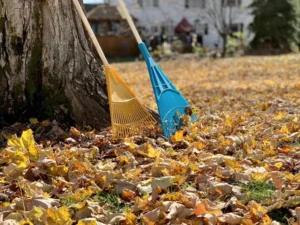
Fallen leaves are one of the most common winter lawn problems in North Carolina.
Neighborhoods with mature trees can accumulate large quantities of leaves throughout fall and early winter. Although a light layer of finely shredded leaves may be manageable, thick, wet piles can cover the grass and restrict access to light and air.
When leaves remain on the lawn for extended periods, they can contribute to thinning, discoloration, and conditions favorable to certain lawn diseases.
Why leaf removal matters
Removing excessive leaves helps maintain a cleaner turf surface and reduces the amount of organic debris accumulating around your property.
It also improves the appearance of the lawn, sidewalks, driveways, and landscape beds.
For homeowners preparing to host guests, sell a property, or simply maintain attractive curb appeal, seasonal yard cleanup can make the entire landscape look more orderly.
What should you do with fallen leaves?
Depending on the amount and condition of the leaves, you can:
- Mulch a light layer into small pieces with a mower when conditions are suitable.
- Collect and remove thick accumulations.
- Clear leaves from sidewalks, driveways, and drainage areas.
- Remove debris from around shrubs and landscape borders.
- Check shaded areas where leaves tend to accumulate unnoticed.
Avoid mowing wet, heavily covered turf simply to get the job done faster. Wait for suitable conditions whenever possible.
Need help with a large amount of fallen leaves? A professional yard cleanup service can remove accumulated debris and help prepare your property for winter.
2. Adjust Your Mowing Schedule Before Cold Weather
One common misconception is that every lawn needs a final, extremely short cut before winter.
In reality, mowing height should depend on the grass species and its normal maintenance requirements.
Cutting grass too short can expose the turf to additional stress. Allowing it to become excessively tall can also create problems, particularly when the grass is flattened by rain or snow.
The objective is to maintain the recommended height for your specific grass rather than trying to make it as short as possible.
Winter mowing for tall fescue
Tall fescue may continue growing during mild winter periods.
If the grass grows enough to require mowing, you can continue maintaining it when the ground and turf are dry enough to support equipment safely.
Avoid mowing frozen or saturated ground, since equipment and foot traffic can damage the turf or compact the soil.
Winter mowing for warm-season grass
Bermudagrass, zoysiagrass, and centipedegrass generally grow much more slowly during winter.
Once these grasses become dormant, routine mowing may no longer be necessary unless conditions produce additional growth or the lawn requires a specific maintenance cut.
Why mowing height matters
Grass blades contribute to the plant’s ability to capture sunlight and support growth. Removing too much leaf tissue at once can stress the turf.
A consistent mowing approach helps maintain a more uniform lawn and avoids the need for aggressive cuts after periods of neglect.
If you are unsure which grass type you have, a lawn care professional can help identify it and recommend an appropriate mowing height.
3. Avoid Walking on Frozen or Saturated Grass
Your lawn can be vulnerable even when it looks sturdy.
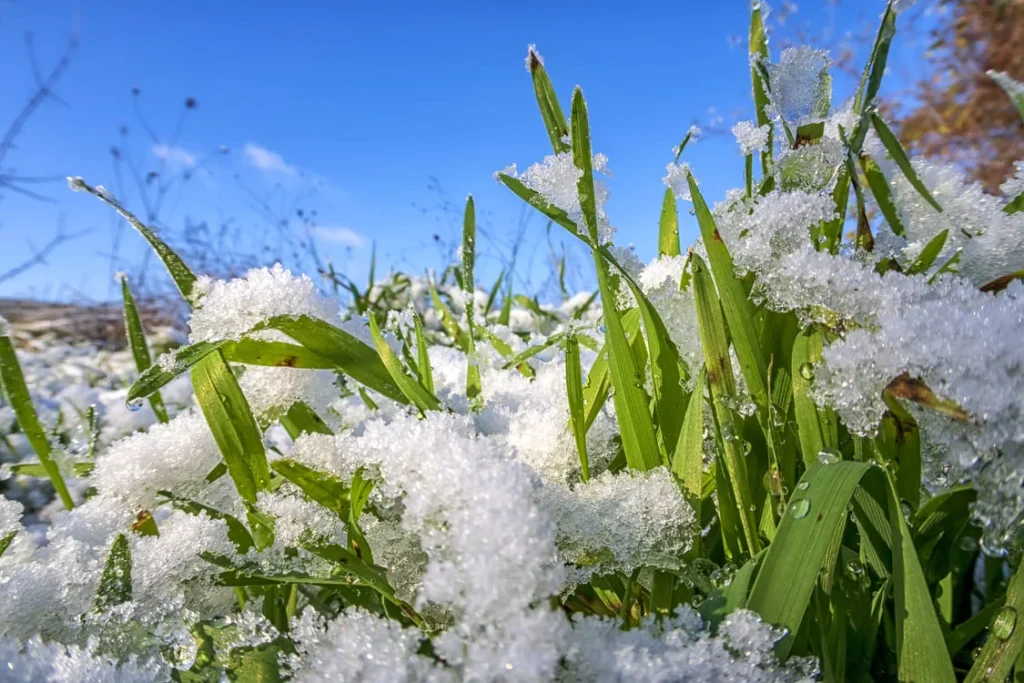
Frost forms when moisture freezes on grass surfaces. Walking or driving equipment across heavily frosted turf can damage plant tissue, leaving visible footprints or areas of discoloration.
Similarly, wet soil is more vulnerable to compaction.
Repeatedly walking over saturated ground can press soil particles together, reducing the space available for air and water movement.
Compaction may become especially problematic in high-traffic areas, including paths between the driveway and backyard, spaces around play equipment, and frequently used entrances.
How to reduce winter traffic damage
Take a few practical precautions:
- Avoid unnecessary walking on heavily frosted grass.
- Keep vehicles and heavy equipment off the lawn.
- Use established walkways whenever possible.
- Avoid parking trailers or storing heavy materials on turf.
- Redirect repeated foot traffic away from vulnerable areas.
These simple changes help protect the lawn without requiring additional treatments.
If a particular section of the yard receives regular traffic, consider whether a stepping-stone path, walkway, or other landscaping improvement could reduce recurring damage.
4. Manage Water Carefully During Winter
Winter watering is not a one-size-fits-all task.
North Carolina can experience wet periods as well as dry spells. Some lawns receive enough natural precipitation throughout winter, while others may become unusually dry during extended periods without rain.
The goal is to avoid both excessive moisture and prolonged dryness when the grass still needs water.
Should you water your lawn during winter?
For cool-season lawns that remain active, supplemental watering may be appropriate during unusually dry periods when the soil is not frozen.
Dormant warm-season grass generally requires less water than actively growing turf, although the lawn should not be left severely dry if conditions warrant irrigation.
Before watering, consider recent rainfall, soil moisture, drainage, temperature, and the type of grass on your property.
Watering frozen soil is ineffective, and irrigating already saturated areas can worsen drainage problems.
Watch for poor drainage
If water consistently collects in the same parts of your lawn after rain, the problem may extend beyond your watering schedule.
Poor grading, compacted soil, downspout discharge, and drainage issues can all contribute to standing water.
Addressing these conditions can help protect the lawn and surrounding landscape from recurring moisture problems.
If your yard repeatedly develops muddy areas or standing water, request a professional assessment to determine whether drainage improvements are needed.
5. Fertilize According to Your Grass Type and the Season
Fertilization can support healthy turf, but applying fertilizer at the wrong time may create unnecessary problems.
North Carolina homeowners should distinguish between cool-season and warm-season grasses before choosing a winter fertilization strategy.
Fertilization for tall fescue
Fall is an important period for tall fescue because temperatures are often favorable for root development and turf growth.
A suitable fertilization program can help support the lawn during this period, provided the application rate and timing match the lawn’s needs.
By winter, the emphasis generally shifts toward maintaining the grass rather than encouraging unnecessary growth.
Late applications should be based on turf condition, soil needs, local recommendations, and the product label.
Fertilization for warm-season grass
Warm-season grasses generally slow down as temperatures decline.
Applying nitrogen when the grass is dormant or no longer actively growing is usually inappropriate because the turf cannot use it efficiently.
For these grasses, the main fertilization window typically occurs during active growth in warmer weather.
Why soil testing is useful
Fertilizer should not be treated as a universal solution for every lawn.
A soil test can help identify nutrient deficiencies and pH conditions that may affect turf performance.
It can also help prevent unnecessary applications that waste money without addressing the actual problem.
For homeowners who want to improve lawn health, a soil-informed fertilization plan is more useful than applying products simply because winter is approaching.
6. Control Weeds Without Harming Your Turf
Winter weeds can become a concern in North Carolina, particularly in lawns that contain thin areas or bare patches.
Some weeds germinate during fall and remain visible throughout winter. Others emerge as temperatures fluctuate.
Common examples may include chickweed, henbit, annual bluegrass, and other seasonal weeds, depending on the property and growing conditions.
Why weeds appear during winter
Weeds often take advantage of open space.
When turf is thin, damaged, or poorly established, unwanted plants may have an easier time becoming established.
Compaction, inadequate sunlight, improper mowing, and unsuitable growing conditions can contribute to these gaps.
What can homeowners do?
An effective weed-control strategy begins with identifying the weeds and understanding the turfgrass.
Depending on the species and timing, control may involve appropriate herbicides, cultural practices, or a combination of approaches.
Always follow product labels and confirm that a treatment is suitable for the grass type and current conditions.
Avoid applying products indiscriminately during cold weather. Some treatments may be ineffective under certain temperature conditions or inappropriate for dormant or stressed turf.
A professional weed-control assessment can help you choose a treatment strategy that addresses the actual problem.
7. Protect Trees, Shrubs, and Landscape Beds
Winter lawn care should not stop at the edge of the grass.
Your landscape includes trees, shrubs, planting beds, mulch, walkways, and other features that contribute to the appearance and function of your property.
Neglecting these areas can create additional maintenance problems when spring arrives.
Clear debris around plants
Remove excessive leaf accumulations and debris from areas where they could trap unwanted moisture or interfere with drainage.
Be mindful of delicate plants and avoid damaging stems or roots during cleanup.
Maintain appropriate mulch levels
Mulch can help moderate soil temperature and conserve moisture around many landscape plants.
However, excessive mulch or mulch piled against tree trunks can create problems.
Maintain a suitable layer around planting beds while keeping mulch away from direct contact with tree trunks and shrub stems.
Prune selectively
Winter can be an appropriate time to prune certain trees and shrubs, but timing depends on the plant species and its flowering habits.
Some plants should be pruned while dormant, while others benefit from pruning after flowering.
Avoid assuming that every shrub should be cut back heavily before winter.
Selective pruning and routine shrub maintenance help maintain the property’s appearance without unnecessary damage.
8. Prepare Your Lawn for Snow, Frost, and Cold Snaps
Although North Carolina winters are often milder than those in northern states, freezing temperatures and occasional snow can still affect residential lawns.
The best approach is to avoid adding unnecessary stress when the turf is frozen, frosted, or waterlogged.
Keep the lawn clear of heavy objects
Move portable furniture, toys, hoses, and other items when practical.
Objects left on the lawn for extended periods can block light and flatten the grass beneath them.
Avoid unnecessary deicing chemicals on turf
Deicing products used on nearby driveways and sidewalks can damage grass if they accumulate on lawn edges.
Use products according to their labels and avoid directing concentrated runoff onto turf or landscape beds.
Where practical, remove snow from walkways in a way that minimizes repeated chemical exposure to adjacent grass.
Do not force growth during cold weather
A brown lawn is not necessarily a dead lawn.
Warm-season grasses commonly turn brown during dormancy, while cool-season grasses may also change color under stressful weather conditions.
Avoid unnecessary treatments intended to make dormant grass green immediately.
Instead, focus on protecting the lawn until suitable growing conditions return.
9. Reduce Soil Compaction Before It Becomes a Spring Problem
Compacted soil can make it harder for roots to access the air, water, and nutrients they need.
This problem frequently develops in areas with repeated foot traffic, heavy equipment, clay-rich soil, or poor drainage.
Winter conditions can make the problem worse if people repeatedly walk or drive over wet ground.
Signs your lawn may have compacted soil
Look for:
- Water that pools after rainfall.
- Grass that struggles in frequently used areas.
- Thin patches despite otherwise reasonable maintenance.
- Soil that is unusually hard when conditions are suitable for assessment.
- Repeated difficulty establishing grass in the same locations.
Is winter the right time for aeration?
Not necessarily.
Aeration should be scheduled according to the grass type, soil condition, and growing season.
For tall fescue in many parts of North Carolina, early fall is often a favorable time for core aeration because the grass can recover and establish growth.
Warm-season grasses generally benefit from aeration during active growth, commonly in late spring or summer, depending on the species and local conditions.
Winter is a good time to identify compaction and plan the appropriate service for the next suitable growing period.
10. Protect Your Lawn From Fungal Problems
Cool, damp weather can create conditions favorable to certain turf diseases.
However, not every brown patch or discolored area indicates a fungal problem.
Changes in color can also result from dormancy, frost, drought stress, nutrient issues, insects, or physical damage.
Correctly identifying the cause is essential before applying a treatment.
What should you look for?
Pay attention to unusual patterns such as expanding patches, irregular discoloration, thinning turf, or damage that does not match the lawn’s normal seasonal appearance.
The timing and pattern of symptoms can help narrow down possible causes.
Why prevention matters
Appropriate mowing, balanced fertilization, proper drainage, and suitable irrigation practices can reduce certain conditions associated with turf disease.
Avoid excessive nitrogen applications, prolonged leaf wetness where it can be managed, and unnecessary watering.
If symptoms persist or spread, seek a professional diagnosis before choosing a fungicide.
Applying a product without identifying the problem can waste money and delay the correct treatment.
11. What Does a Professional Winter Lawn Maintenance Service Include?
Winter maintenance should reflect the actual needs of the property rather than follow an identical checklist for every homeowner.
Depending on the lawn, landscape, and selected service plan, professional winter maintenance may include the following.
Seasonal yard cleanup
Excessive leaves, fallen branches, and other debris are removed from the lawn and selected landscape areas.
This helps keep the property presentable and reduces the risk of thick debris accumulations damaging turf.
Lawn mowing when needed
If the grass continues growing and conditions permit, mowing may remain part of the maintenance schedule.
Service frequency should be adjusted to actual growth and appropriate mowing height.
Trimming and landscape maintenance
Shrubs, planting beds, and other landscape features can be evaluated for routine maintenance and selective pruning.
The appropriate timing depends on plant species and seasonal requirements.
Weed monitoring
Visible weeds can be identified and evaluated for appropriate control.
The treatment plan should reflect the weed species, grass type, weather, and product requirements.
Property cleanup and inspection
Walkways, driveways, entrances, and drainage areas can be checked for debris and other seasonal maintenance concerns.
Planning for spring
Winter is also an opportunity to identify thin areas, drainage problems, compaction, and other conditions that may require attention when the growing season returns.
A planned approach helps homeowners avoid trying to address every issue at once in spring.
12. How to Choose a Winter Lawn Care and Landscaping Provider
Not every lawn care company offers the same services, and not every property needs the same maintenance plan.
When evaluating a local provider, focus on service clarity, communication, and knowledge of regional turf conditions.
Ask what the service includes
Find out whether the estimate covers leaf removal, mowing, trimming, edging, cleanup, or other requested services.
A clear scope prevents misunderstandings about what will be completed during each visit.
Confirm experience with North Carolina lawns
A provider familiar with local conditions should understand the differences between cool-season and warm-season grasses and recognize that winter maintenance needs vary.
Discuss scheduling flexibility
Weather can affect winter service.
Ask how rain, frozen ground, or other unsuitable conditions influence scheduling and rescheduling.
Request a property-specific estimate
The size of the lawn, amount of debris, terrain, accessibility, and condition of the landscape can all affect the cost of service.
A property-specific quote is more useful than assuming every yard can be maintained at the same price.
Look for clear communication
A reliable service provider should explain what is recommended, what is optional, and which issues may require separate treatment.
Looking for winter lawn maintenance near you? Request an estimate and ask for a service plan based on your property, grass type, and seasonal priorities.
13. Signs Your Lawn Needs Professional Attention Before Spring
Some lawn problems are easier to address when they are identified early.
You do not need to wait until spring to start investigating recurring issues.
Consider requesting a professional assessment if you notice any of the following:
Persistent standing water: This may indicate drainage or grading concerns that require further evaluation.
Large bare areas: These may result from compaction, shade, disease, insects, or previous damage.
Recurring weed growth: Persistent weeds may require a targeted control program and improvements to turf conditions.
Unusual discoloration: Brown or yellow patches that do not match normal seasonal dormancy may need investigation.
Excessive leaf accumulation: Thick leaf layers can conceal damage and make routine lawn maintenance more difficult.
Shrubs and beds that look neglected: Overgrown shrubs, accumulated debris, and poorly maintained landscape edges can reduce the appearance of the entire property.
A professional assessment can help distinguish seasonal changes from issues that need treatment.
14. How Winter Lawn Care Supports Spring Curb Appeal
Homeowners often judge a lawn by its appearance in spring, but the work that supports that appearance begins much earlier.
Removing leaves, avoiding unnecessary traffic, maintaining suitable mowing practices, and addressing drainage concerns help reduce preventable problems.
Winter is also an opportunity to organize upcoming services.
For example, a tall fescue lawn may need spring weed management and fertilization planning, while a thin lawn may require an assessment to determine whether overseeding is appropriate during a suitable season.
Warm-season lawns may need a different plan centered on their return to active growth.
Addressing these needs in advance can help you make informed decisions instead of rushing to correct multiple problems when temperatures rise.
The result is a more organized lawn-care routine and a better opportunity to maintain the property’s appearance throughout the year.
Frequently Asked Questions About Winter Lawn Care
How do I protect my lawn during winter in North Carolina?
Start by identifying your grass type and adjusting maintenance to its needs. Remove excessive leaves, avoid mowing frozen or saturated grass, limit heavy traffic, monitor soil moisture, and address drainage concerns. Fertilization and weed control should be based on the turf species, current conditions, and appropriate treatment timing.
How to protect your lawn during winter when temperatures drop below freezing?
Avoid walking on heavily frosted grass, keep vehicles and heavy equipment off the turf, and postpone mowing when the lawn is frozen. Do not water frozen soil. Remove objects that can remain on the lawn for extended periods, and avoid applying unnecessary treatments during unsuitable weather.
Should I fertilize my lawn before winter in North Carolina?
It depends on the grass type and the lawn’s needs. Fall is an important fertilization period for tall fescue, while warm-season grasses generally require fertilization during active growth. Late-season applications should follow appropriate timing, soil recommendations, and product labels.
Should I mow my lawn during winter?
You may need to mow cool-season grass during mild periods if it continues growing. Warm-season grasses usually require little or no routine mowing once dormant. In either case, avoid mowing frozen or saturated turf and maintain an appropriate height for the grass species.
Is it necessary to remove leaves from my lawn in winter?
Yes, excessive leaf accumulations should be removed or appropriately mulched. Thick, wet layers can block light, retain moisture, and contribute to thinning or other turf problems. A light layer of finely shredded leaves may be manageable, but heavy accumulations should not be left on the grass.
How often should I water my lawn in winter?
There is no universal watering schedule. Consider rainfall, soil moisture, temperature, drainage, and whether the grass is actively growing. Avoid watering frozen or saturated soil, and provide supplemental water only when conditions and the grass type warrant it.
Can I apply weed killer to my lawn during winter?
Some weed-control treatments may be appropriate during winter, but effectiveness depends on the weed species, temperature, turf condition, and product label. Identify the weed and select a treatment that is suitable for your lawn before applying anything.
When should I aerate my lawn in North Carolina?
For tall fescue, early fall is commonly a favorable period for core aeration because the grass can recover during active growth. Warm-season grasses are generally aerated during their active growing season. The best timing depends on grass type, soil condition, and local weather.
How can I tell whether brown grass is dormant or dead?
Warm-season grasses commonly turn brown during dormancy, while cool-season grass may change color during cold or stressful weather. Persistent bare patches, unusual patterns, or damage that remains after favorable growing conditions return may warrant further assessment. Color alone is not enough to determine whether the grass is dead.
What does a winter lawn maintenance service usually cost?
Costs depend on lawn size, leaf volume, terrain, access, requested services, and the condition of the property. Ask for a detailed estimate that explains which tasks are included and whether additional cleanup or landscaping work will cost extra.
Can landscaping services help prepare my property for winter?
Yes. Depending on the provider, seasonal landscaping services may include leaf removal, yard cleanup, shrub maintenance, selective pruning, debris removal, and preparation for upcoming lawn-care work. The appropriate service plan depends on the property’s features and the needs of its plants and turf.
Protect Your Lawn Now and Make Spring Easier
Winter lawn care is not about forcing grass to grow when temperatures are unfavorable. It is about protecting the turf, maintaining the surrounding landscape, and avoiding problems that can become expensive or time-consuming to correct later.
For North Carolina homeowners, the most useful steps are straightforward:
- Remove excessive leaves and debris.
- Maintain appropriate mowing practices.
- Keep heavy traffic off vulnerable turf.
- Water according to weather and soil conditions.
- Follow a grass-specific fertilization and weed-control plan.
- Monitor drainage, compaction, and unusual discoloration.
- Prepare a seasonal maintenance plan before spring growth begins.
These actions help keep the property orderly while creating a better foundation for the next growing season.
You do not have to handle every task yourself. A local lawn care and landscaping professional can help determine which services your property needs and when they should be performed.
Ready to prepare your lawn for winter?
Request a quote for seasonal lawn maintenance, leaf removal, yard cleanup, shrub care, or other landscaping services.
Call a local lawn care professional or submit a quote request today to discuss your property’s needs and build a practical winter maintenance plan.
Protecting your lawn now can help you enter spring with fewer preventable problems, a cleaner landscape, and a clearer plan for maintaining your property’s curb appeal throughout the year.