








As fall temperatures arrive in North Carolina, many homeowners focus on raking leaves, cleaning up flower beds, trimming shrubs, and preparing their lawns for colder weather. However, one important landscaping task is often overlooked: mulch installation before winter.
Fresh mulch does more than make a landscape look neat. When installed correctly, it helps moderate soil temperature, conserve moisture, suppress weeds, and protect plant roots from some of the temperature fluctuations that occur during winter.
It also gives your property a clean, finished appearance just as trees lose their leaves and gardens begin to look less vibrant.
For homeowners in Mooresville, Huntersville, Cornelius, Davidson, Troutman, Sherrills Ford, and other North Carolina communities, fall is an excellent time to evaluate landscape beds and determine whether they need fresh mulch.
The timing matters. Installing mulch while the soil is still workable allows you to prepare your landscape before colder weather arrives, without waiting until spring to address bare beds and exposed roots.
Whether you maintain your own garden or hire a professional landscaping service, understanding the benefits of fall mulching can help you make better decisions for your property.
Ready to prepare your landscape for winter? Request a mulch installation estimate from a local landscaping professional and give your outdoor spaces the attention they need before the season changes.
Why Mulch Installation Before Winter Matters in North Carolina
North Carolina experiences a range of winter conditions depending on location, elevation, and weather patterns. In the Piedmont and Lake Norman region, homeowners can experience mild afternoons, cold nights, occasional freezing temperatures, and periods of heavy rainfall.
These fluctuations affect landscape beds in several ways.
Soil temperatures change as the weather shifts. Moisture levels fluctuate with rainfall and evaporation. Newly planted shrubs and perennials may be more vulnerable to environmental stress while they establish their root systems.
A properly installed layer of mulch helps create a more stable environment around plants.
Protecting roots from temperature fluctuations
Plant roots are affected by changes in soil temperature. Repeated freezing and thawing can also contribute to soil movement, particularly around newly planted material.
Mulch acts as an insulating layer that slows temperature changes in the soil. It does not prevent freezing entirely, but it can reduce the severity of rapid fluctuations near the surface.
This is especially useful for landscape beds containing recently planted shrubs, perennials, and other plants that need time to establish.
Maintaining more consistent soil moisture
Winter landscapes still need moisture.
Although cooler temperatures generally reduce evaporation, dry periods can occur during winter in North Carolina. Evergreen shrubs and other plants may continue losing moisture even when their growth slows.
Organic mulch helps reduce evaporation from the soil surface and can support more consistent moisture levels.
The result is a landscape that is better prepared to handle seasonal changes, provided the plants receive appropriate watering and drainage.
Keeping landscape beds attractive
There is also an immediate visual benefit.
Fresh mulch creates a uniform surface around trees, shrubs, and ornamental plants. It covers exposed soil, defines landscape beds, and gives the property a cleaner appearance.
This matters when the rest of the landscape begins losing its summer color.
Instead of leaving your flower beds looking unfinished throughout winter, a fresh layer of mulch provides a tidy, intentional appearance.
7 Benefits of Fall Mulching for Your Landscape
Mulch is one of the most versatile materials used in residential landscaping. Its value comes from how it supports soil conditions while improving the appearance of outdoor spaces.
Here are seven reasons to consider installing fresh mulch before winter.
1. Better protection for plant roots
Cold air temperatures do not affect every part of the soil equally.
Mulch helps insulate the soil around roots, reducing the speed at which temperatures rise and fall. This can be particularly beneficial during periods of fluctuating winter weather.
The protection is not absolute, and its effectiveness depends on the material, depth, soil conditions, and surrounding environment.
However, when applied properly, mulch provides an additional layer of protection for many landscape plants.
2. Reduced moisture loss
Dry soil can stress plants even when temperatures are low.
By covering exposed soil, mulch reduces direct exposure to wind and sunlight, helping the ground retain moisture for longer.
This can be useful for shrubs, ornamental plants, and landscape beds that would otherwise dry out during extended periods without rain.
Mulch does not eliminate the need for watering. Homeowners should still check soil moisture during unusually dry weather.
3. Fewer weeds in spring
One of the most frustrating spring landscaping problems is dealing with weeds before the rest of the garden has even started growing.
A suitable layer of mulch can suppress many annual weeds by blocking light and making it more difficult for seeds to establish.
Fall mulching can therefore help reduce some weed pressure in the months ahead.
However, mulch is not a complete weed-control solution. Persistent perennial weeds should be removed or treated appropriately before mulch is installed.
4. Improved landscape appearance
Fresh mulch gives landscape beds a consistent color and texture.
It creates visual contrast between the lawn, plants, trees, and hardscape features.
Depending on the material selected, homeowners can create a natural appearance with shredded hardwood, a rich contrast with dark mulch, or a lighter look with pine bark.
The right choice can make the entire property appear more organized without requiring new plants or a major landscape redesign.
5. Support for soil structure and organic matter
Organic mulch gradually decomposes over time.
As it breaks down, it contributes organic matter to the soil surface and supports soil organisms that participate in nutrient cycling.
This process is gradual. Mulch should not be viewed as an immediate substitute for soil amendments or a properly designed fertilization program.
Nevertheless, organic materials can be a useful part of long-term landscape bed maintenance.
6. Less soil erosion and surface disturbance
Rainfall can displace exposed soil, particularly on sloped landscape beds or areas where water moves quickly across the surface.
Mulch helps shield the soil from the direct impact of raindrops and can reduce surface erosion when installed appropriately.
It is especially useful around ornamental plantings, provided the material is not placed where it blocks drainage or redirects water toward the house.
For properties with significant runoff problems, mulch should be considered one part of a broader drainage and erosion-control strategy.
7. A head start on spring maintenance
Fall is an opportunity to address landscape beds before spring growth begins.
Installing mulch now can reduce the amount of bare soil visible during winter and help prepare the beds for the next growing season.
It also means you may have fewer areas requiring attention when spring lawn care, pruning, planting, and fertilization begin competing for your time.
For busy homeowners, getting ahead of seasonal maintenance can make a meaningful difference.
When Is the Best Time to Install Mulch Before Winter?
The best time to install mulch depends on local weather, soil conditions, plant needs, and the current condition of your landscape beds.
In much of North Carolina, fall is a practical window for refreshing mulch before sustained cold weather arrives.
For properties around Mooresville, Huntersville, Cornelius, Davidson, and Troutman, this often means evaluating beds during the fall months rather than waiting until the first hard freeze.
There is no single date that works for every property.
Install mulch while the soil is workable
Mulch can be installed in fall while the soil remains accessible and conditions allow for proper bed preparation.
Avoid working in saturated soil, since foot traffic and equipment can compact the ground and damage plants.
Remove weeds and debris first
Before adding mulch, remove weeds, fallen branches, and accumulated debris.
This helps create a cleaner surface and prevents the new material from simply covering existing problems.
Check the existing mulch depth
Not every landscape bed needs a complete replacement.
If the existing mulch is still in good condition and has adequate depth, a light refresh may be sufficient.
Adding too much mulch year after year can create problems around plant stems, tree trunks, and shallow-rooted plants.
The goal is to maintain the right amount of mulch—not to build the thickest layer possible.
Which Type of Mulch Is Best for Winter Landscaping?
The best mulch depends on the plants, appearance you want, maintenance expectations, and the conditions of your property.
Organic mulch is a common choice for residential landscape beds because it provides ground coverage and gradually decomposes.
Shredded hardwood mulch
Shredded hardwood is popular for residential landscaping because it creates a relatively uniform appearance and generally stays in place better than some lightweight materials.
It works well around shrubs, ornamental plants, and defined landscape beds.
Homeowners who want a traditional, tidy appearance often consider hardwood mulch.
Pine bark mulch
Pine bark offers a natural texture and can complement woodland-style landscapes and informal garden beds.
The size and form of the bark influence how it looks and how it behaves in the landscape.
Choose a product suited to the plants and site rather than selecting solely by color.
Pine straw
Pine straw is another option for landscape beds, particularly where a natural, informal appearance is preferred.
It can be useful around shrubs and established plantings. However, its appearance and tendency to move depend on installation, slope, and weather exposure.
Dyed mulch
Dyed mulch is available in several colors, including black, brown, and red.
It can create strong visual contrast with green shrubs and ornamental plants.
When selecting dyed products, purchase material from a reputable supplier and confirm that it is appropriate for residential landscape use.
Which mulch should you choose?
| Mulch Type | Common Advantage | Best Consideration |
|---|---|---|
| Shredded hardwood | Traditional, uniform appearance | Suitable for many residential beds |
| Pine bark | Natural texture | Match bark size to the landscape |
| Pine straw | Informal, natural appearance | Consider wind and slope |
| Dyed mulch | Distinctive color | Check product quality and color preference |
The best choice is the one that fits your landscape, provides suitable coverage, and can be maintained without creating problems around your plants.
How Much Mulch Should You Apply?
Mulch depth is one of the most important parts of proper installation.
For many established landscape beds, a total mulch depth of approximately 2–3 inches is appropriate, depending on the material, plant type, and existing conditions.
That does not mean adding another 2–3 inches every fall.
If mulch is already present, measure the existing depth before adding more.
Excessive mulch can restrict air exchange near the soil surface, hold too much moisture around plant crowns, and contribute to root or stem problems.
Avoid mulch volcanoes around trees
One of the most recognizable landscaping mistakes is piling mulch against a tree trunk.
This practice, sometimes called a mulch volcano, creates an unnecessarily deep mound around the base of the tree.
Mulch should be spread outward across the surrounding soil while keeping the trunk flare exposed.
For established trees, maintain a gap between the mulch and trunk. Never use mulch to bury the natural root flare.
Keep mulch away from shrub stems
Shrubs also need appropriate spacing between their stems and the mulch surface.
Avoid piling material directly against stems or crowns, where excessive moisture can contribute to decay or other plant-health problems.
Proper placement is just as important as choosing the right material.
What Does Professional Mulch Installation Include?
A professional mulch installation service should address the condition of the landscape beds before new material is spread.
Simply dumping mulch onto an existing bed may cover weeds, uneven surfaces, and accumulated debris without solving the underlying issues.
A more complete service focuses on preparation, coverage, and the final appearance.
Landscape bed inspection
The first step is to evaluate the existing beds.
This includes identifying areas with thin mulch, exposed soil, weeds, damaged edging, and plants that require careful handling.
The inspection also helps determine whether the existing material can be refreshed or needs more extensive removal.
Bed cleanup and preparation
Leaves, weeds, sticks, and other debris are removed as appropriate.
The goal is to create a clean surface for installation.
Where necessary, existing mulch may be redistributed or reduced to avoid excessive depth.
Mulch selection and delivery
The selected mulch should complement the landscape and provide appropriate coverage.
Quantity depends on the size of the beds, existing depth, material, and desired finish.
Careful installation
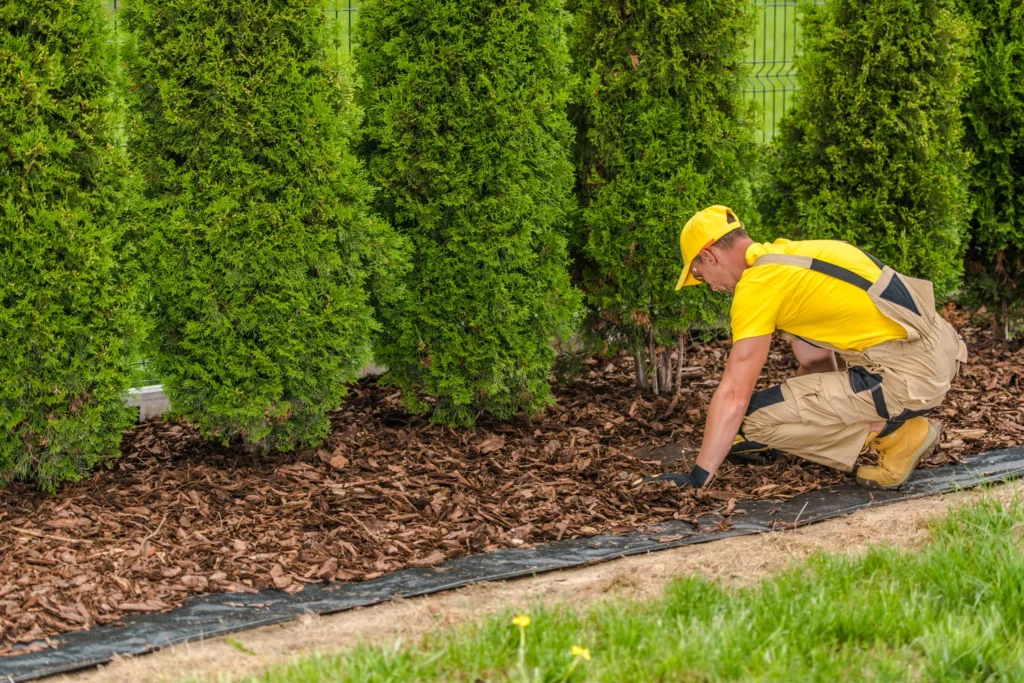
Mulch is spread evenly across the prepared beds.
Extra attention is given to tree trunks, shrub stems, plant crowns, foundations, drainage areas, and landscape edging.
Final cleanup
Walkways, driveways, patios, and other hard surfaces should be cleared of spilled mulch and debris.
The finished landscape should look clean, consistent, and ready for winter.
The Mulch Installation Process: From Bare Beds to a Finished Landscape
Understanding the process helps homeowners know what to expect when requesting professional service.
Step 1: Evaluate the property. The size, shape, condition, and accessibility of the landscape beds are assessed.
Step 2: Determine the material and quantity. The appropriate mulch type and volume are selected based on coverage requirements and the existing depth.
Step 3: Prepare the beds. Weeds and debris are removed, and problem areas are identified before installation.
Step 4: Install the mulch. Material is spread evenly while protecting plants and maintaining proper clearance around trunks and stems.
Step 5: Refine the edges. Bed borders are cleaned up where included in the service, creating a defined transition between mulch, lawn, and hardscape.
Step 6: Complete the cleanup. Excess material is removed from nearby surfaces, and the finished work is inspected.
This preparation-first approach helps avoid common installation mistakes and creates a more polished result.
Signs Your Landscape Needs Fresh Mulch Before Winter
Not every landscape bed needs new mulch every year. However, several signs suggest that a refresh or replacement may be beneficial.
Bare soil is visible
If large portions of the bed have little or no mulch, the soil is more exposed to rainfall, temperature changes, and moisture loss.
The mulch layer has become too thin
Organic mulch breaks down over time.
If the existing layer has decomposed significantly, adding a modest amount may restore appropriate coverage.
Weeds are spreading throughout the beds
Weeds can become established when mulch coverage is thin or when seeds accumulate on the surface.
Remove existing weeds before refreshing the mulch.
The landscape looks faded or uneven
Mulch exposed to sunlight, rainfall, and weather gradually changes in color and texture.
Refreshing selected areas can restore a more consistent appearance without redesigning the landscape.
Soil is washing out after rainfall
If you notice exposed roots or displaced soil, mulch may help protect the surface. However, persistent erosion can indicate a drainage or grading issue that requires a separate solution.
You have recently planted shrubs or perennials
New plantings may benefit from appropriate mulch coverage while their roots establish.
Keep the material away from stems and crowns, and follow the planting and care requirements for the specific species.
If your landscape beds show several of these signs, request an evaluation before winter. A professional can help determine whether you need a light refresh, a full installation, or additional bed preparation.
Why Fall Mulching Is a Smart Investment in Curb Appeal
Landscape beds occupy a highly visible part of many residential properties.
They frame the front entrance, soften the edges of the house, and create visual transitions between the lawn, walkways, trees, and shrubs.
When mulch becomes thin or uneven, the entire property can look less maintained.
Fresh mulch creates a cleaner visual foundation.
It can make established shrubs look more defined, give ornamental grasses a neater setting, and improve the contrast between plantings and surrounding surfaces.
For homeowners considering selling their property, this can also be a practical way to improve exterior presentation without committing to a major landscaping renovation.
Of course, mulch cannot replace healthy plants, proper pruning, or well-maintained turf.
Its value comes from complementing those elements and bringing the landscape together.
How Mulch Supports Other Landscaping Services
Mulch installation works best as part of a broader landscape maintenance plan.
Depending on the property’s needs, fall landscaping may also involve leaf removal, shrub pruning, weed management, lawn maintenance, and cleanup around hardscape features.
Mulch and leaf removal
Leaves can accumulate in landscape beds and cover small plants.
Removing excessive leaf buildup before mulching helps create a cleaner surface and makes it easier to assess the existing mulch layer.
Some healthy leaves can be left or shredded where appropriate, but thick, wet layers should not smother plants.
Mulch and shrub trimming
Selective pruning can improve the appearance of shrubs before mulch is installed.
Completing appropriate trimming and cleanup first helps prevent freshly installed mulch from being covered with discarded branches and plant debris.
Not every shrub should be heavily pruned in fall, so pruning timing should reflect the species and its flowering or growth cycle.
Mulch and lawn maintenance
Defined landscape edges create a cleaner transition between turf and planting beds.
If the property also needs mowing, edging, or seasonal cleanup, coordinating those services can improve the finished appearance.
Mulch and weed control
Mulch can suppress some weed growth, but it does not replace an appropriate weed-management strategy.
Existing weeds should be addressed before installation, and persistent weeds may require additional treatment.
Combining the right services can help homeowners maintain a more consistent landscape throughout the year.
Choosing a Landscaping Professional for Mulch Installation
Selecting a provider is not only about finding the lowest installation price.
The quality of the finished landscape depends on preparation, material selection, application depth, and attention to detail.
Before hiring a landscaping professional, consider these questions.
What preparation is included?
Ask whether the quote includes bed cleanup, weed removal, and redistribution or removal of existing mulch where necessary.
What type of mulch will be installed?
Confirm the material, color, and delivery quantity before work begins.
How will the installer protect plants?
The provider should understand why mulch must be kept away from tree trunks, shrub stems, and plant crowns.
Is the quoted depth appropriate?
The estimate should account for existing mulch rather than automatically adding a full new layer.
Is cleanup included?
Confirm whether the service includes clearing mulch from walkways, driveways, and other hard surfaces.
Can the service be combined with fall cleanup?
Combining mulch installation with other appropriate maintenance tasks may reduce scheduling effort and help create a more complete result.
A clear estimate should explain the work, materials, preparation, and any additional services that may affect the final cost.
Is Professional Mulch Installation Worth the Cost?
For some homeowners, spreading mulch is a manageable do-it-yourself project.
For others, the amount of material, physical effort, and preparation make professional service a more practical choice.
The decision depends on the size of the property, the number of landscape beds, access for material delivery, and the condition of the existing landscape.
Consider the work involved
A typical installation may require measuring beds, calculating material volume, transporting bags or bulk mulch, removing debris, controlling weeds, spreading material evenly, and cleaning surrounding surfaces.
Large beds or properties with numerous shrubs can require considerable labor.
Consider the final result
A professional installation can help maintain consistent depth, cleaner edges, and proper clearance around plants.
These details matter because an attractive finish should not come at the expense of plant health.
Consider your time
If fall is already filled with leaf removal, pruning, lawn maintenance, and other household responsibilities, hiring help can simplify the seasonal workload.
Request a detailed mulch installation quote to compare the cost of professional service with the time, materials, and equipment required to complete the project yourself.
Common Mulching Mistakes to Avoid Before Winter
Mulch is beneficial when used correctly, but poor installation can create avoidable problems.
Applying too much mulch
Excessive depth can interfere with soil aeration and create unfavorable moisture conditions near roots and stems.
Measure the existing layer before adding material.
Covering tree trunks
Mulch should never be piled against tree bark or used to bury the root flare.
Keep the trunk base visible and spread mulch across the surrounding soil instead.
Covering plant crowns
Perennials and other plants may be damaged when mulch is piled over their crowns.
Apply material according to the plant’s requirements.
Installing mulch over weeds
Covering established weeds does not guarantee they will disappear.
Remove or manage existing weeds before installation.
Ignoring drainage problems
Mulch can reduce surface erosion, but it cannot correct improper grading or persistent standing water.
If water collects near your home’s foundation or landscape beds remain saturated, investigate the drainage issue before proceeding.
Choosing mulch based only on color
Appearance matters, but material quality, texture, coverage, and suitability for the landscape should also guide the decision.
The best installation balances aesthetics with proper landscape management.
Frequently Asked Questions About Mulch Installation Before Winter
Is mulch installation before winter a good idea in North Carolina?
Yes. Fall can be a good time to refresh landscape mulch in North Carolina because homeowners can prepare beds before colder weather arrives. Properly installed mulch helps moderate soil temperature, conserve moisture, suppress some weeds, and improve the appearance of landscape beds.
The appropriate timing depends on weather, soil conditions, and the needs of the plants.
When should I schedule mulch installation before winter?
Schedule installation during fall when the soil is workable and before sustained cold conditions make landscape work difficult. In the Piedmont and Lake Norman area, homeowners often evaluate their beds during the fall months.
There is no single date that applies to every property, so local weather and landscape conditions should guide scheduling.
How deep should mulch be before winter?
For many established landscape beds, approximately 2–3 inches of total mulch is a useful guideline. The correct depth depends on the material, plant type, and existing conditions.
Do not automatically add another 2–3 inches over old mulch. Excessive depth can create problems around roots, stems, and plant crowns.
Does mulch protect plants from freezing temperatures?
Mulch can moderate soil temperature and reduce rapid temperature fluctuations around roots. It does not prevent all freezing or guarantee that plants will survive severe cold.
Plant hardiness, root establishment, drainage, and local weather conditions also influence winter survival.
Can I install mulch over existing mulch?
Yes, if the existing material is in suitable condition and the total depth will remain appropriate.
If the old mulch is compacted, excessively deep, contaminated, or covering plant stems, it may need to be redistributed or partially removed first.
What is the best mulch for winter landscaping?
Shredded hardwood, pine bark, pine straw, and certain dyed mulches can all be appropriate depending on the landscape.
The best choice depends on plant requirements, appearance, slope, material quality, and maintenance preferences.
Will mulch prevent weeds from growing in spring?
Mulch can suppress many annual weeds by blocking light and making germination more difficult. However, it does not eliminate all weeds, especially established perennial weeds.
Removing weeds before installation and maintaining an appropriate mulch depth improves the results.
Does mulch need to be replaced every fall?
Not necessarily. Organic mulch decomposes at different rates depending on the material and environmental conditions.
Inspect the existing depth and condition each fall. Some beds may need only a light refresh, while others may require more substantial replacement.
Can mulch installation help improve curb appeal before selling a home?
Yes. Fresh, evenly distributed mulch can make landscape beds look cleaner and more defined. It is often a relatively straightforward way to improve the presentation of an established landscape.
For the best result, combine mulch installation with appropriate pruning, weed removal, edging, and general cleanup.
Should I combine mulch installation with fall yard cleanup?
Combining these services can be practical. Removing leaves, branches, and weeds before installation creates a cleaner surface and prevents new mulch from being covered with debris immediately afterward.
Additional services should be selected according to the condition of your property.
How much does professional mulch installation cost?
Pricing depends on landscape bed size, material type, required volume, site access, existing mulch depth, preparation, and cleanup requirements.
Request a property-specific estimate that identifies the material, installation scope, and any additional work included in the price.
What areas should I look for mulch installation services in North Carolina?
Homeowners can search for local landscaping providers serving their communities, including Mooresville, Huntersville, Cornelius, Davidson, Troutman, Sherrills Ford, and nearby areas.
Confirm that the provider serves your address and can accommodate your project before scheduling.
Prepare Your Landscape Now for a Better-Looking Winter
Mulch installation before winter is a practical way to improve the appearance of your landscape while helping protect the soil around trees, shrubs, and ornamental plants.
The benefits go beyond color and curb appeal.
A properly installed layer can help moderate soil temperature, conserve moisture, reduce some weed growth, and limit the direct impact of rainfall on exposed soil.
However, results depend on using the right material, preparing the beds correctly, and applying an appropriate depth. Too much mulch or improper placement around trunks and stems can create problems instead of solving them.
For North Carolina homeowners, fall is an opportunity to address these details before winter weather arrives and spring landscaping demands begin to build.
Whether your property needs a small refresh or a complete landscape bed makeover, start by evaluating the existing mulch and identifying the areas that need attention.
Ready to refresh your landscape before winter?
A local landscaping professional can assess your beds, recommend an appropriate mulch material, and provide an estimate based on your property’s needs.
Call today, complete a quote request form, or schedule a landscape evaluation to get started.
Give your landscape beds a clean, finished appearance now while preparing your outdoor spaces for the colder months ahead.