







A healthy lawn doesn’t happen by chance. Behind every lush, green yard is a carefully planned fertilization program that delivers nutrients at the right time of year. Whether you own a home or manage a commercial property, understanding the Best Lawn Fertilization Schedule for North Carolina Lawns can make the difference between a vibrant landscape and one that struggles with weeds, thin grass, and seasonal stress.
North Carolina’s climate presents unique challenges. From the cool mountain regions to the warm Piedmont and coastal areas, lawns experience changing temperatures, humidity, drought periods, and heavy rainfall throughout the year. These conditions require more than occasional fertilizing—they require a strategic plan tailored to your specific grass type and growing season.
Many property owners assume fertilizing once in spring is enough. Unfortunately, this often leads to uneven growth, nutrient deficiencies, increased weed pressure, and weaker root systems. A professionally designed fertilization schedule provides consistent nutrition that encourages deep roots, rich color, improved drought tolerance, and long-lasting lawn health.
If you’re looking for a lawn that stands out in your neighborhood while reducing long-term maintenance costs, following the right fertilization schedule is one of the smartest investments you can make.
Why Every North Carolina Lawn Needs a Customized Fertilization Schedule
No two lawns are exactly alike.
Different grass varieties require nutrients at different times, and applying fertilizer too early or too late can actually reduce its effectiveness.
Several factors influence the ideal fertilization schedule, including:
- Grass species
- Soil composition
- Sun exposure
- Irrigation habits
- Property drainage
- Seasonal weather conditions
- Existing lawn health
- Weed pressure
Professional lawn specialists evaluate these factors before recommending a treatment program, ensuring every application delivers maximum benefit instead of unnecessary growth or wasted fertilizer.
Instead of guessing what your lawn needs, a customized fertilization plan creates predictable, measurable improvements throughout the year.
Understanding North Carolina’s Grass Types
One of the biggest reasons homeowners struggle with lawn care is treating every lawn the same.
North Carolina primarily features two categories of turfgrass.
Warm-Season Grasses
Warm-season grasses thrive during late spring and summer.
Common varieties include:
- Bermuda Grass
- Zoysia Grass
- Centipede Grass
- St. Augustine Grass
These grasses grow aggressively during warmer months and require fertilization primarily from late spring through summer.
Applying fertilizer while these grasses are dormant can encourage weeds instead of healthy turf growth.
Cool-Season Grasses
Cool-season lawns are common throughout much of North Carolina, especially Tall Fescue.
Popular cool-season grasses include:
- Tall Fescue
- Kentucky Bluegrass
- Fine Fescue
These grasses experience their strongest growth during spring and fall.
Their fertilization schedule differs significantly from warm-season varieties because feeding during hot summer months may increase stress rather than improve health.
Knowing which grass type you have is the first step toward creating the Best Lawn Fertilization Schedule for North Carolina Lawns.
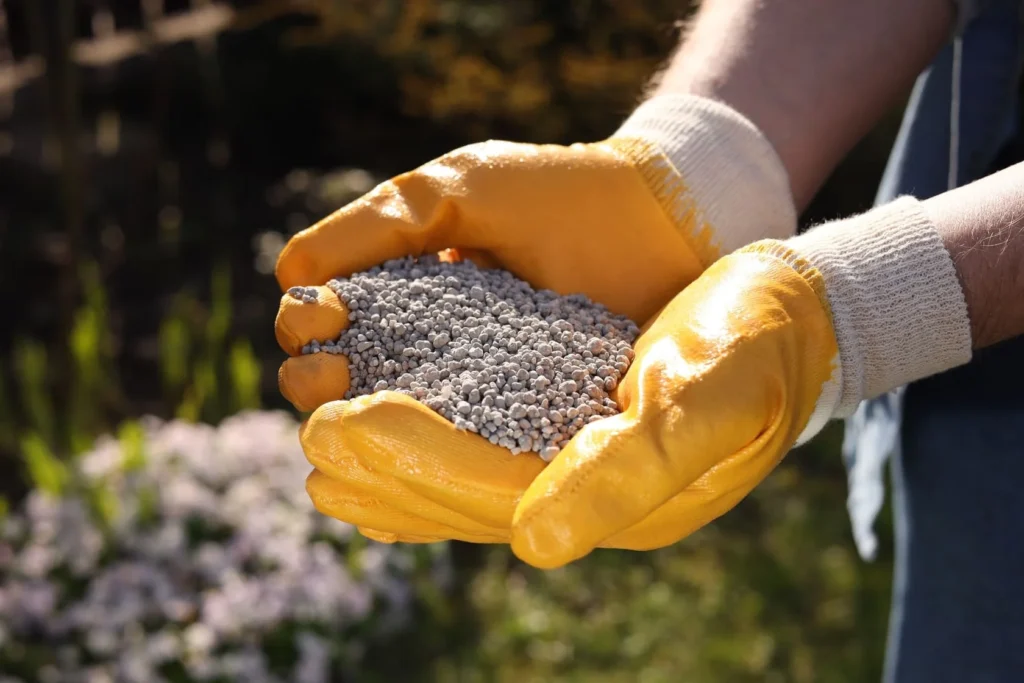
The Benefits of Following the Best Lawn Fertilization Schedule for North Carolina Lawns
Proper fertilization is about much more than greener grass.
When nutrients are delivered at the correct intervals, your lawn becomes healthier from the roots up.
Benefits include:
Stronger Root Development
Healthy roots absorb water more efficiently.
This means your lawn can better withstand:
- Summer heat
- Dry periods
- Heavy foot traffic
- Seasonal stress
Deep roots also reduce the likelihood of thin or patchy areas developing over time.
Richer Green Color
Nitrogen, phosphorus, potassium, and essential micronutrients help produce vibrant color naturally.
Rather than relying on temporary cosmetic improvements, balanced fertilization promotes sustained health that keeps your lawn looking attractive throughout the growing season.
Better Weed Resistance
Dense grass naturally crowds out weeds.
As your lawn thickens, unwanted plants have fewer opportunities to establish themselves.
This reduces the need for excessive herbicide applications and contributes to a cleaner, healthier landscape.
Improved Disease Resistance
Nutrient-deficient grass becomes vulnerable to fungal diseases, insects, and environmental stress.
Proper fertilization strengthens the lawn’s natural defenses, reducing the likelihood of expensive repairs later.
Increased Property Value
Your lawn is one of the first things visitors notice.
A professionally maintained landscape improves curb appeal, creates positive first impressions, and can even increase perceived property value.
For homeowners preparing to sell, consistent lawn care is one of the highest-return exterior improvements available.
Seasonal Lawn Fertilization Calendar for North Carolina
Understanding when to fertilize is just as important as knowing what fertilizer to use.
Below is a general seasonal guide. Professional recommendations may vary depending on your specific grass type and local growing conditions.
Spring
Spring is when lawns begin waking from winter dormancy.
During this period, fertilization focuses on:
- Encouraging healthy green-up
- Supporting root recovery
- Preparing for active growth
- Preventing early weed competition
For warm-season grasses, heavier feeding often begins once active growth starts.
For cool-season lawns, spring applications should be carefully balanced to avoid excessive top growth before summer heat arrives.
Summer
Summer presents the greatest stress for most lawns.
Heat, drought, and heavy use require proper nutrient management.
Professional summer fertilization helps:
- Maintain color
- Improve drought tolerance
- Strengthen root systems
- Reduce heat stress
Applications are carefully timed to avoid overstimulating growth during extreme temperatures.
Fall
For Tall Fescue and other cool-season grasses, fall is often the most important fertilization season.
During this time, lawns focus on:
- Root expansion
- Recovery from summer stress
- Increased nutrient storage
- Thickening turf before winter
Fall fertilization lays the foundation for a healthier lawn the following spring.
Winter
Although growth slows considerably, winter remains an excellent time for soil testing, planning future treatments, and monitoring lawn health.
A professional maintenance program prepares your property for the next growing season rather than waiting until problems become visible.
Common Fertilization Mistakes That Cost Homeowners Money
Many lawn problems are caused not by lack of fertilizer, but by improper application.
Some of the most common mistakes include:
Applying Too Much Fertilizer
More fertilizer does not equal better results.
Excess nutrients may cause:
- Burned grass
- Weak roots
- Rapid growth
- Increased disease risk
- Environmental runoff
Using the Wrong Product
Different fertilizers contain different nutrient ratios.
Choosing the wrong formulation for your grass type can limit growth while encouraging weeds or excessive blade development.
Ignoring Soil Health
Healthy grass starts below the surface.
Without understanding soil pH and nutrient availability, fertilizer applications become less effective over time.
Professional soil analysis helps determine exactly what your lawn needs.
Skipping Scheduled Applications
Fertilization works best as part of a consistent program.
Missing treatments interrupts nutrient availability and slows long-term progress.
Regular service keeps your lawn developing steadily throughout the year.
Why Professional Lawn Fertilization Delivers Better Results
Many homeowners spend hundreds of dollars experimenting with store-bought fertilizers without achieving lasting improvements.
Professional lawn fertilization services combine knowledge, experience, and commercial-grade products to deliver consistent results.
Instead of guessing application timing, professionals evaluate:
- Grass variety
- Seasonal conditions
- Soil quality
- Existing lawn health
- Weed pressure
- Moisture levels
- Growth patterns
This customized approach ensures your lawn receives the right nutrients at precisely the right time.
Ready to Transform Your Lawn?
If you’re tired of patchy grass, stubborn weeds, or inconsistent growth, now is the perfect time to start a professional fertilization program. A customized lawn care plan helps your property stay greener, healthier, and more resilient throughout the year while saving you time and preventing costly mistakes.
Contact our lawn care specialists today to request a free estimate and discover the best lawn fertilization schedule for your North Carolina lawn.
What Is Included in a Professional Lawn Fertilization Program?
A successful fertilization program is much more than applying fertilizer a few times a year. Professional lawn care companies follow a strategic approach that addresses the unique needs of your lawn during every season.
The Best Lawn Fertilization Schedule for North Carolina Lawns combines proper timing, premium products, and ongoing monitoring to create consistent, long-lasting results.
A comprehensive lawn fertilization service typically includes:
- Seasonal fertilizer applications
- Soil nutrient management
- Lawn health evaluations
- Weed prevention recommendations
- Growth monitoring
- Customized treatment schedules
- Grass-specific fertilization plans
- Ongoing maintenance recommendations
Instead of using a one-size-fits-all solution, every application is adjusted based on the condition of your lawn and the current growing season.
Our Proven Lawn Fertilization Process
Achieving a thick, healthy lawn requires more than simply spreading fertilizer. Our proven process is designed to maximize nutrient absorption while minimizing waste and environmental impact.
Step 1: Lawn Evaluation
Every successful program begins with a detailed inspection.
Our specialists examine:
- Grass species
- Overall lawn density
- Existing weeds
- Bare or thinning areas
- Soil condition
- Drainage
- Sun and shade patterns
- Previous lawn damage
This evaluation allows us to develop a fertilization schedule specifically designed for your property.
Step 2: Customized Fertilization Plan
No two lawns require the exact same treatment schedule.
After evaluating your property, we determine:
- Application frequency
- Fertilizer formulation
- Seasonal timing
- Nutrient ratios
- Recommended maintenance practices
This personalized approach delivers healthier growth while avoiding over-fertilization.
Step 3: Precision Fertilizer Application
Proper application is critical.
Our technicians apply fertilizer evenly across the lawn using professional equipment that provides consistent coverage.
This prevents:
- Burn spots
- Uneven growth
- Nutrient waste
- Missed areas
Uniform applications help every section of your lawn develop at the same pace.
Step 4: Continuous Monitoring
Lawns change throughout the year.
Weather, rainfall, temperature, and usage all influence nutrient requirements.
Our ongoing evaluations allow us to make adjustments whenever necessary, ensuring your lawn continues improving season after season.
Signs Your Lawn Needs Fertilization
Many homeowners wait until their lawn looks unhealthy before taking action.
Unfortunately, visible problems often indicate that nutrient deficiencies have existed for weeks or even months.
Knowing the warning signs allows you to address issues before permanent damage occurs.
Pale Green or Yellow Grass
Healthy grass should maintain a rich green appearance throughout its active growing season.
If your lawn begins losing color despite adequate watering, nutrient deficiencies are often the cause.
Nitrogen shortages are among the most common reasons lawns lose their vibrant appearance.
Slow Growth
If mowing becomes less frequent because the lawn simply isn’t growing, the grass may not be receiving enough nutrients.
Healthy turf develops steadily during its growing season.
Consistently slow growth usually indicates that fertilization should be adjusted.
Thin or Bare Areas
Sparse grass creates opportunities for weeds to invade.
A proper fertilization schedule encourages thicker turf that naturally fills in weak areas over time.
Increased Weed Growth
Weeds often outperform unhealthy grass.
When nutrients are lacking, weeds compete more successfully for sunlight, moisture, and soil resources.
A stronger lawn naturally becomes its own first line of defense against unwanted plants.
Poor Recovery After Foot Traffic
Healthy lawns recover quickly after children play, pets run across the yard, or guests gather outdoors.
Grass that remains flattened or damaged may lack the nutrients necessary for vigorous recovery.
Why Timing Matters More Than Most Homeowners Realize
Applying fertilizer at the wrong time can reduce effectiveness and even create additional lawn problems.
Following the Best Lawn Fertilization Schedule for North Carolina Lawns ensures nutrients become available precisely when your grass can use them most effectively.
Professional scheduling helps avoid:
- Nutrient runoff
- Excessive top growth
- Summer stress
- Winter damage
- Weed outbreaks
- Wasted fertilizer applications
Proper timing protects both your lawn and your investment.
The Long-Term Benefits of Professional Lawn Fertilization
Many homeowners focus only on immediate improvements.
However, the greatest benefits appear over multiple growing seasons.
Stronger Root Systems
Healthy roots allow grass to access moisture deeper within the soil.
As a result, your lawn becomes more resilient during periods of drought and heat.
Lower Water Consumption
A healthier lawn often requires less irrigation because deeper roots retain moisture more efficiently.
This can reduce water usage while maintaining excellent appearance.
Reduced Weed Problems
Dense turf leaves little room for weeds to establish themselves.
Over time, healthy grass naturally crowds out many common invasive species.
Fewer Expensive Lawn Repairs
Consistent fertilization reduces the likelihood of:
- Large bare patches
- Soil erosion
- Disease outbreaks
- Stress damage
- Complete lawn renovation
Preventative care almost always costs less than repairing neglected turf.
Better Curb Appeal Throughout the Year
Your lawn serves as the foundation of your property’s appearance.
Whether you’re welcoming guests, attracting customers, or preparing to sell your home, a healthy lawn creates an immediate positive impression.
A professionally maintained landscape reflects pride of ownership and attention to detail.
Why Homeowners Choose Professional Lawn Care Instead of DIY
Store-bought fertilizer may seem convenient, but many homeowners discover that achieving professional-quality results requires much more than purchasing a bag of fertilizer.
Professional lawn care offers advantages including:
Expert Knowledge
Our specialists understand North Carolina’s climate, soil conditions, and grass varieties.
This expertise allows us to recommend treatments that actually produce results.
Commercial-Grade Products
Professional fertilizers often provide more balanced nutrient delivery than many consumer-grade products.
Combined with proper application techniques, they produce healthier, more consistent growth.
Time Savings
Maintaining a fertilization schedule requires planning, purchasing materials, calibrating equipment, and applying products safely.
Hiring professionals allows you to enjoy your lawn without spending weekends managing treatments.
Consistent Results
Rather than guessing throughout the year, you benefit from a proven program backed by experience.
Routine monitoring ensures every application supports your lawn’s long-term health.
What Makes Our Lawn Fertilization Service Different?
Choosing a lawn care company is about more than finding someone to spread fertilizer.
Our approach focuses on building healthier lawns through science-based care and personalized service.
Here’s what sets us apart.
Customized Treatment Plans
Every property receives an individualized fertilization schedule based on grass type, soil conditions, and seasonal needs.
Experienced Lawn Care Professionals
Our team understands the unique growing conditions found throughout North Carolina.
We continuously evaluate each lawn to ensure treatments remain effective throughout the year.
Honest Recommendations
We never recommend unnecessary services.
Our goal is simple:
Deliver measurable improvements that provide long-term value for every customer.
Reliable Scheduling
Consistent service is essential for successful fertilization.
We arrive on schedule and apply treatments at the appropriate intervals to keep your lawn progressing throughout every season.
Exceptional Customer Service
We believe great communication is just as important as great lawn care.
Our team is always available to answer questions, explain treatments, and provide recommendations for maintaining your lawn between visits.
Invest in a Lawn You’ll Be Proud Of
A beautiful lawn doesn’t happen overnight—but with the right fertilization schedule, every season builds on the last. Investing in professional care today means fewer weeds, stronger roots, richer color, and a healthier landscape for years to come.
Whether you want to enhance your home’s curb appeal or maintain a professional appearance for your commercial property, our customized fertilization programs are designed to deliver dependable results.
Request your free estimate today and let our lawn care experts create the best lawn fertilization schedule for your North Carolina lawn. There’s no obligation—just honest advice and a plan tailored to your property.
Frequently Asked Questions About the Best Lawn Fertilization Schedule for North Carolina Lawns
What is the Best Lawn Fertilization Schedule for North Carolina Lawns?
The best lawn fertilization schedule depends on several factors, including your grass type, soil condition, and location within North Carolina. Warm-season grasses such as Bermuda, Zoysia, Centipede, and St. Augustine typically benefit from fertilization between late spring and summer, while cool-season grasses like Tall Fescue perform best with applications concentrated in the fall and supplemented in the spring.
A professional lawn evaluation ensures your fertilizer program is tailored to your property’s specific needs rather than relying on a generic schedule.
Why is following the Best Lawn Fertilization Schedule for North Carolina Lawns so important?
Applying fertilizer at the correct time allows your grass to absorb nutrients during its active growth period. This promotes stronger roots, thicker turf, improved drought tolerance, enhanced disease resistance, and fewer weeds.
Fertilizing too early, too late, or too frequently can lead to weak growth, nutrient loss, and unnecessary lawn stress.
How often should my lawn be fertilized?
Most North Carolina lawns benefit from multiple fertilizer applications throughout the year. The exact number depends on the grass variety, soil fertility, weather conditions, and your lawn’s overall health.
A customized fertilization program provides nutrients when your lawn needs them most, ensuring consistent growth without excessive applications.
Can lawn fertilization help control weeds?
Yes. While fertilizer does not directly kill weeds, it strengthens your lawn, allowing healthy grass to grow thicker and naturally crowd out many unwanted plants.
Many professional lawn care programs also coordinate fertilization with weed management strategies to maximize results.
Is professional fertilization better than applying fertilizer myself?
Many homeowners achieve better long-term results with professional services because experienced technicians understand proper application timing, product selection, nutrient balance, and local growing conditions.
Professional programs reduce the risk of over-fertilization, uneven coverage, and nutrient waste while producing healthier, more attractive lawns.
What type of grass grows best in North Carolina?
North Carolina supports both warm-season and cool-season grasses.
Warm-season varieties include:
- Bermuda Grass
- Zoysia Grass
- Centipede Grass
- St. Augustine Grass
Cool-season grasses commonly include:
- Tall Fescue
- Kentucky Bluegrass
- Fine Fescue
Each variety requires its own fertilization schedule for optimal performance.
Will fertilization make my lawn greener?
Absolutely.
Proper fertilization provides essential nutrients that improve chlorophyll production, resulting in deeper green color, healthier growth, and improved overall appearance.
However, consistent applications throughout the growing season are necessary for lasting improvements.
When will I begin seeing results?
Many homeowners notice improved color within a few weeks after application, while thicker turf and stronger root systems develop over several months.
Long-term improvements become more noticeable after following a complete seasonal fertilization program.
Is lawn fertilization safe for children and pets?
Yes. Professional lawn care companies use products according to manufacturer guidelines and industry best practices.
Your technician will provide recommendations regarding watering and when children or pets can safely return to the lawn following treatment.
Can fertilization improve my property’s value?
A healthy, professionally maintained lawn significantly enhances curb appeal.
Beautiful landscaping creates positive first impressions, increases perceived property value, and makes outdoor spaces more enjoyable for homeowners, visitors, and potential buyers.
Why Investing in Professional Lawn Fertilization Pays Off
Your lawn is one of the largest and most visible features of your property. It influences curb appeal, outdoor enjoyment, and even the overall value of your home or commercial space.
Following the Best Lawn Fertilization Schedule for North Carolina Lawns is one of the most effective ways to protect that investment. Rather than reacting to lawn problems after they appear, a proactive fertilization program keeps your grass healthy, resilient, and beautiful throughout every season.
Professional fertilization offers benefits that extend far beyond appearance. Healthier turf requires fewer repairs, competes more effectively against weeds, tolerates drought better, and develops stronger roots that support long-term growth. With each scheduled application, your lawn becomes more capable of handling North Carolina’s changing weather conditions.
Instead of relying on guesswork or inconsistent DIY treatments, partnering with experienced lawn care professionals gives you a customized plan based on your grass type, soil conditions, and seasonal needs. The result is a greener lawn with fewer problems and more consistent performance year after year.
Whether you’re maintaining a family home, preparing to sell your property, or enhancing the appearance of a commercial landscape, investing in professional lawn fertilization delivers measurable value and lasting results.
Ready for a Healthier, Greener Lawn?
Imagine stepping outside to a lawn that’s thick, vibrant, and healthy in every season. No more guessing when to fertilize, wasting money on ineffective products, or struggling with weeds and thin grass. With a customized fertilization program, you can enjoy a lawn that not only looks beautiful but also stays strong through North Carolina’s changing weather.
Our experienced lawn care professionals are committed to delivering personalized service, dependable scheduling, and proven results. Every lawn receives a treatment plan designed specifically for its grass type, soil conditions, and long-term health goals.
Whether you need residential or commercial lawn fertilization, we’re here to help you build a landscape you can be proud of.
Schedule Your Free Lawn Evaluation Today
Don’t wait until your lawn begins showing signs of stress.
Contact our team today to
- Request a free estimate.
- Receive a customized lawn fertilization plan.
- Improve curb appeal year-round.
- Strengthen your lawn from the roots up.
- Reduce weeds naturally with healthier turf.
- Enjoy professional service from trusted local experts.
Call us today, fill out our online contact form, or request your free quote to discover how the best lawn fertilization schedule for North Carolina lawns can transform your property.