




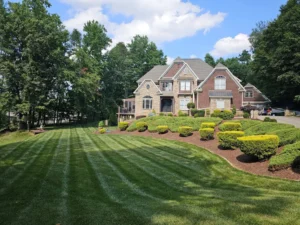


Few things are more frustrating for homeowners than investing time and money into lawn care only to wake up and find large brown patches spreading across the yard.
At first glance, many people assume the problem is drought, pet damage, poor irrigation, or even insects.
However, one of the most common causes of sudden turf damage is often overlooked:
Lawn fungus.
If you’ve recently noticed circular brown patches, thinning grass, discolored turf, or areas that appear to be dying despite regular watering, your lawn may be suffering from a fungal disease.
The good news is that early diagnosis and professional treatment can often stop the damage before it spreads throughout your property.
Understanding what causes lawn fungus, how to recognize it, and when to seek professional help can save your lawn and prevent expensive restoration costs.
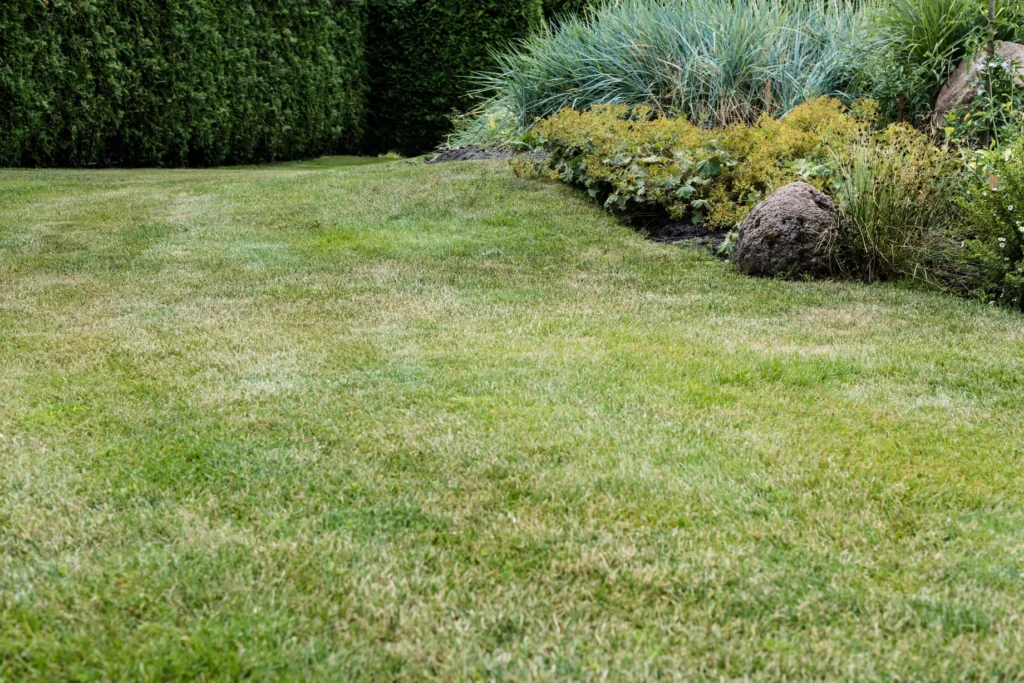
What Causes Brown Patches in Your Lawn?
Many lawn diseases thrive under specific environmental conditions.
Fungus develops when moisture, temperature, and grass health create the perfect environment for disease growth.
Excess Moisture
Overwatering is one of the leading contributors to lawn fungus.
When grass remains wet for extended periods, fungal spores can multiply rapidly.
Common causes include:
- Excessive irrigation
- Poor drainage
- Heavy rainfall
- Compacted soil
High Humidity
Warm-season humidity creates ideal conditions for many turf diseases.
This is particularly common throughout the southeastern United States.
Improper Mowing Practices
Grass that is cut too short becomes stressed and more vulnerable to disease.
Dull mower blades can also damage turf, creating entry points for fungal infections.
Nutrient Imbalances
Over-fertilization or nutrient deficiencies may weaken turf and encourage disease development.
Poor Air Circulation
Dense landscapes and shaded areas often retain moisture longer, increasing fungal risk.
Common Lawn Fungus Diseases That Cause Brown Patches
Not every brown spot is caused by the same disease.
Several fungal conditions affect residential lawns.
Brown Patch Disease
Brown Patch is one of the most common lawn diseases in warm climates.
Symptoms include:
- Circular brown areas
- Yellow rings around patches
- Rapid spreading
- Thinning grass
This disease often appears during hot, humid weather.
Dollar Spot
Dollar Spot typically creates:
- Small straw-colored spots
- Circular lesions
- Widespread discoloration
Untreated cases can merge into larger damaged areas.
Large Patch
Large Patch commonly affects warm-season grasses.
Symptoms include:
- Expanding circular patches
- Yellow or orange borders
- Thin turf areas
Leaf Spot Disease
Leaf Spot begins with discoloration on individual grass blades before progressing into larger areas of turf decline.
How to Tell If Brown Patches Are Fungus or Something Else
Many lawn problems produce similar symptoms.
Correct diagnosis is critical.
Signs It May Be Fungus
- Circular patterns
- Rapid spreading
- Yellow halos
- Gray or white fungal growth
- Persistent moisture issues
Signs It Could Be Another Problem
- Pet urine damage
- Grub infestations
- Drought stress
- Soil compaction
- Chemical burns
A professional inspection can identify the exact cause and prevent unnecessary treatments.
Why Ignoring Lawn Fungus Can Become Expensive
Many homeowners assume damaged grass will recover naturally.
Unfortunately, lawn fungus rarely disappears without addressing the underlying causes.
Untreated fungus can lead to:
- Large dead areas
- Complete turf loss
- Increased weed pressure
- Costly lawn renovations
- Reduced curb appeal
The longer fungus remains active, the more difficult and expensive recovery becomes.
The Hidden Impact of Lawn Disease on Property Value
Your lawn is one of the first things visitors, neighbors, and potential buyers notice.
Brown patches create the impression that the property is neglected.
Professional lawn care helps maintain:
Curb Appeal
Healthy green grass enhances the appearance of your entire landscape.
Home Value
Well-maintained lawns contribute positively to property value.
Neighborhood Appearance
A beautiful lawn improves the overall look of the community.
Outdoor Enjoyment
A healthy lawn creates a comfortable space for family activities.
Signs You Need Professional Lawn Fungus Treatment
Homeowners often wait too long before seeking help.
You should schedule an inspection if:
Brown Patches Continue Expanding
Fungal diseases often spread quickly.
Grass Is Thinning
Sparse turf creates opportunities for weeds and further decline.
Previous Treatments Failed
Store-bought products may not address the specific disease affecting your lawn.
Multiple Areas Are Affected
Widespread symptoms usually indicate a larger underlying issue.
Turf Doesn’t Recover
Persistent damage often requires professional intervention.
What Our Lawn Fungus Treatment Service Includes
A successful treatment plan goes beyond simply applying fungicides.
Comprehensive Lawn Inspection
We evaluate:
- Grass species
- Soil conditions
- Moisture levels
- Disease symptoms
- Environmental factors
Disease Identification
Proper diagnosis ensures the correct treatment strategy.
Targeted Fungus Control
We use professional-grade solutions designed to eliminate active fungal infections.
Lawn Health Improvements
Our recommendations may include:
- Irrigation adjustments
- Mowing changes
- Soil improvements
- Fertility management
Recovery Monitoring
Ongoing monitoring helps ensure successful results.
The Benefits of Professional Lawn Disease Control
Professional treatment delivers advantages that DIY solutions often cannot match.
Faster Recovery
Early intervention minimizes turf damage.
Accurate Diagnosis
Treating the wrong problem wastes time and money.
Healthier Turf
Professional care strengthens the lawn’s natural defenses.
Long-Term Prevention
Addressing root causes reduces future outbreaks.
Better Results
Professional programs provide more reliable outcomes than generic products.
Our Proven Lawn Fungus Treatment Process
Step 1: Lawn Evaluation
We inspect the affected areas and identify disease symptoms.
Step 2: Diagnosis
The exact cause of turf damage is determined.
Step 3: Customized Treatment Plan
Every lawn receives a tailored strategy.
Step 4: Disease Control Application
Targeted treatments are applied to stop active infections.
Step 5: Lawn Recovery Program
We guide homeowners through proper maintenance practices that encourage healthy regrowth.
Why Homeowners Trust Our Lawn Care Team
Many lawn care companies simply apply products and move on.
Our approach focuses on long-term lawn health.
Experienced Lawn Specialists
We understand turf diseases and local growing conditions.
Customized Solutions
Every lawn receives individualized recommendations.
Professional Products
We use proven treatment methods that deliver results.
Honest Assessments
We explain exactly what your lawn needs and why.
Ongoing Support
Our team remains available throughout the recovery process.
Preventing Lawn Fungus Before It Starts
Prevention is often more affordable than treatment.
Water Properly
Water deeply but less frequently.
Improve Airflow
Trim surrounding vegetation when necessary.
Mow Correctly
Never remove more than one-third of the grass blade at once.
Fertilize Responsibly
Balanced nutrition helps turf resist disease.
Schedule Regular Lawn Care
Routine maintenance identifies problems early.
Why Professional Lawn Care Is the Smart Investment
Your lawn is a living investment.
When properly maintained, it rewards you with:
- Enhanced curb appeal
- Stronger turf
- Fewer weeds
- Improved property value
- Greater outdoor enjoyment
Professional lawn disease management protects that investment and helps keep your landscape looking its best year-round.
Don’t Let Fungus Destroy Your Lawn
The earlier lawn fungus is treated, the easier it is to stop the damage and restore healthy growth.
If you’re seeing brown patches, yellowing grass, or unexplained turf decline, now is the time to take action.
Waiting can turn a manageable problem into a costly lawn renovation.
Request a Lawn Inspection Today
✔ Professional Disease Diagnosis
✔ Customized Treatment Plans
✔ Fungus Control Applications
✔ Lawn Recovery Programs
✔ Experienced Lawn Care Specialists
Call today or complete our online form to schedule your lawn evaluation and learn how we can restore your lawn’s health, beauty, and long-term vitality.
Frequently Asked Questions
Brown Patches in Your Lawn? It Could Be Fungus, but how can I know for sure?
The best way to confirm fungus is through a professional lawn inspection. Many lawn diseases share symptoms with drought stress, insect damage, and nutrient deficiencies.
Why do Brown Patches in Your Lawn? It Could Be Fungus occur during summer?
Hot temperatures, humidity, and excessive moisture create ideal conditions for fungal diseases such as Brown Patch and Large Patch.
Can lawn fungus spread to healthy grass?
Yes. Many fungal diseases spread quickly under favorable conditions and can affect large portions of a lawn if left untreated.
Will my lawn recover after fungus treatment?
In many cases, yes. Early treatment combined with proper lawn care practices allows healthy grass to recover and fill in damaged areas.
Are fungicides enough to solve the problem?
Not always. Successful treatment often requires correcting irrigation, mowing, drainage, and soil issues that contributed to the disease.
How can I prevent lawn fungus from returning?
Proper watering, balanced fertilization, regular mowing, improved airflow, and routine professional lawn care significantly reduce the risk of future outbreaks.