



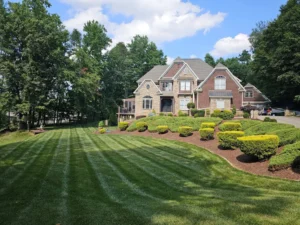


A beautiful lawn doesn’t happen by accident. In North Carolina, changing weather patterns, soil conditions, weeds, insects, and seasonal stress create unique challenges that require a strategic approach. Homeowners who want a lush, green, and healthy yard year-round need more than occasional mowing—they need a complete lawn care program.
Whether you’re dealing with patchy grass, invasive weeds, bare spots, compacted soil, or seasonal lawn damage, following a proven lawn care plan can dramatically improve your property’s appearance and value.
In this guide, we’ll walk you through a complete lawn care program in North Carolina step by step, explaining exactly what your lawn needs throughout the year and why each service matters.
If you’re looking for professional lawn care services in North Carolina, this guide will also help you understand what to expect from a comprehensive lawn maintenance company.
Why a Complete Lawn Care Program Matters
Many homeowners focus only on mowing their grass, assuming that cutting it regularly is enough to maintain a healthy lawn.
Unfortunately, mowing addresses only one small part of lawn health.
A truly healthy lawn requires:
- Proper fertilization
- Weed prevention
- Soil improvement
- Aeration
- Overseeding
- Insect control
- Disease management
- Seasonal maintenance
Without these essential services, lawns gradually weaken, becoming vulnerable to weeds, drought, insects, and disease.
A complete lawn care program in North Carolina ensures every aspect of turf health is addressed at the right time.
Benefits of a Professional Lawn Care Program
- Greener grass year-round
- Fewer weeds
- Stronger root systems
- Improved drought resistance
- Better curb appeal
- Increased property value
- Reduced lawn diseases
- Healthier soil conditions
- Less long-term maintenance
Most importantly, a healthy lawn creates a welcoming outdoor space for your family while making a strong first impression on visitors and potential buyers.
Understanding North Carolina Lawn Conditions
North Carolina’s climate varies significantly across the state.
Homeowners may have:
Cool-Season Grasses
Common varieties include:
- Tall Fescue
- Fine Fescue
- Kentucky Bluegrass blends
These grasses thrive in the Piedmont and mountain regions.
Warm-Season Grasses
Popular options include:
- Bermuda Grass
- Zoysia Grass
- Centipede Grass
- St. Augustine Grass
These perform best in coastal and warmer regions.
Because grass types respond differently to weather conditions, a lawn care plan should always be customized to your specific turf variety.
Step 1: Lawn Inspection and Soil Analysis
Every successful lawn care program begins with a professional evaluation.
Before applying fertilizers or treatments, lawn specialists assess:
- Soil quality
- Grass type
- Existing weeds
- Disease issues
- Drainage problems
- Compaction levels
- Bare spots
- Insect activity
Why Soil Testing Matters
Many lawn problems stem from soil deficiencies.
A soil test reveals:
- pH levels
- Nutrient deficiencies
- Organic matter content
- Soil structure issues
By understanding the soil first, lawn care professionals can create a treatment plan that produces better results while avoiding unnecessary applications.
Step 2: Spring Fertilization Program
Spring is when lawns begin waking up after winter dormancy.
The goal is to provide nutrients that encourage healthy growth without overstimulating the grass.
What Spring Fertilization Accomplishes
- Strengthens roots
- Encourages green-up
- Improves density
- Enhances recovery from winter stress
A balanced fertilizer application provides the nutrients necessary for vigorous growth while preparing the lawn for warmer temperatures ahead.
Common Nutrients Applied
- Nitrogen
- Phosphorus
- Potassium
- Micronutrients
Professional applications ensure nutrients are delivered at the correct rate to avoid burning or stressing the turf.
Step 3: Pre-Emergent Weed Control
One of the most important components of a complete lawn care program in North Carolina is preventing weeds before they emerge.
Pre-emergent treatments create a barrier in the soil that stops weed seeds from germinating.
Common Weeds Prevented
- Crabgrass
- Goosegrass
- Foxtail
- Annual bluegrass
Why Timing Is Critical
Pre-emergent applications must occur before weed seeds begin germinating.
Missing this window can result in weed infestations that become much more difficult and expensive to control later.
Step 4: Post-Emergent Weed Control
Even with preventive measures, some weeds may still appear.
Post-emergent weed control targets actively growing weeds while preserving healthy turf.
Common North Carolina Weeds
- Dandelions
- Clover
- Chickweed
- Henbit
- Nutsedge
- Broadleaf weeds
Selective herbicides eliminate unwanted vegetation while allowing grass to continue thriving.
A thick, healthy lawn naturally crowds out future weed growth.
Step 5: Grub and Insect Control
Many lawn problems occur below the surface where homeowners cannot easily see them.
Destructive insects can damage root systems and create extensive turf loss.
Common Lawn Pests in North Carolina
- White grubs
- Armyworms
- Chinch bugs
- Sod webworms
- Mole crickets
Warning Signs
- Brown patches
- Grass pulling up easily
- Increased bird activity
- Irregular turf thinning
Preventive insect treatments protect your lawn from costly damage and help maintain strong root development.
Step 6: Core Aeration
Over time, soil becomes compacted due to:
- Foot traffic
- Heavy rainfall
- Clay soil conditions
- Lawn equipment
Compaction prevents air, water, and nutrients from reaching the roots.
How Aeration Helps
Core aeration removes small plugs of soil, creating openings that allow:
- Better oxygen flow
- Improved water penetration
- Enhanced nutrient absorption
- Stronger root growth
For many North Carolina lawns, aeration is one of the most valuable annual services.
Step 7: Overseeding for Thick Turf
Aeration is often paired with overseeding.
Overseeding introduces new grass seed into existing turf.
Benefits of Overseeding
- Fills bare spots
- Increases density
- Improves lawn appearance
- Enhances disease resistance
- Reduces weed pressure
Tall fescue lawns in North Carolina especially benefit from annual fall overseeding.
A thicker lawn creates a healthier and more resilient landscape.
Step 8: Fall Fertilization Program
Many homeowners assume spring is the most important fertilization period.
In reality, fall fertilization often produces the greatest long-term benefits.
Why Fall Fertilization Matters
Grass focuses energy on root development during cooler temperatures.
This leads to:
- Stronger roots
- Better winter survival
- Faster spring green-up
- Improved drought tolerance
Fall treatments help lawns store nutrients and prepare for the coming year.
Step 9: Lime Applications for Soil Balance
North Carolina soils often become acidic over time.
Acidic soil can limit nutrient availability, even when fertilizers are applied.
Benefits of Lime Treatments
- Corrects pH imbalance
- Improves nutrient uptake
- Encourages stronger roots
- Enhances fertilizer efficiency
Proper pH levels create the ideal environment for healthy turf growth.
Step 10: Disease Monitoring and Prevention
Lawn diseases can spread quickly if left untreated.
Common turf diseases include:
- Brown Patch
- Dollar Spot
- Red Thread
- Pythium Blight
Conditions That Promote Disease
- Excess moisture
- Poor drainage
- High humidity
- Overfertilization
- Improper mowing
Routine inspections allow professionals to identify and address disease issues before significant damage occurs.
Signs You Need a Complete Lawn Care Program
Many homeowners wait too long before seeking professional help.
You may benefit from a complete lawn care program in North Carolina if you notice:
- Persistent weeds
- Thin grass
- Bare patches
- Yellowing turf
- Soil compaction
- Standing water
- Insect damage
- Uneven growth
- Poor color
Addressing these issues early typically leads to faster and more affordable solutions.
What Makes a Professional Lawn Care Company Different?
Not all lawn care providers offer the same level of service.
A professional lawn care company focuses on long-term lawn health rather than temporary cosmetic improvements.
Key Differentiators
Customized Treatment Plans
Every lawn receives a unique strategy based on soil, grass type, and environmental conditions.
Licensed Lawn Specialists
Experienced professionals understand local turf challenges and proper application methods.
Proven Products
Commercial-grade fertilizers, herbicides, and treatments often outperform retail products.
Consistent Monitoring
Ongoing evaluations help identify problems before they become major issues.
How a Healthy Lawn Increases Property Value
A professionally maintained lawn does more than improve appearance.
Research consistently shows that attractive landscaping contributes significantly to perceived property value.
Benefits include:
- Improved curb appeal
- Faster home sales
- Greater buyer interest
- Enhanced neighborhood appearance
For many homeowners, investing in lawn care produces both immediate enjoyment and long-term financial returns.
Why Homeowners Choose Professional Lawn Care Services
DIY lawn care often involves:
- Trial and error
- Purchasing multiple products
- Guessing treatment schedules
- Spending weekends on maintenance
Professional lawn care eliminates uncertainty.
Instead of experimenting, homeowners receive proven treatments based on years of experience and local expertise.
The result is a healthier lawn with less stress and better consistency.
Frequently Asked Questions
How often should a complete lawn care program in North Carolina be performed?
Most lawns benefit from year-round care involving multiple visits throughout the year. Seasonal treatments ensure your lawn receives the right services at the optimal time.
What is included in a complete lawn care program in North Carolina?
A comprehensive program typically includes fertilization, weed control, aeration, overseeding, soil improvement, insect control, disease monitoring, and seasonal lawn treatments.
Is lawn aeration really necessary?
Yes. Aeration relieves soil compaction and improves the movement of air, water, and nutrients into the root zone, promoting healthier grass growth.
When is the best time to overseed a lawn?
For tall fescue lawns, fall is generally the best time because cooler temperatures and reduced weed competition create ideal growing conditions.
How long does it take to see results?
Many homeowners notice improvements within a few weeks. Significant transformation typically occurs over several months as soil health and root systems improve.
Can professional lawn care eliminate weeds completely?
While no lawn can remain permanently weed-free, professional treatments dramatically reduce weed populations and prevent future infestations.
Invest in a Complete Lawn Care Program That Delivers Results
Your lawn is one of the first things people notice about your property. A thick, green, healthy lawn not only enhances curb appeal but also creates an outdoor space your family can enjoy year-round.
A complete lawn care program in North Carolina provides the structure, treatments, and expertise necessary to keep your turf healthy through every season. From fertilization and weed control to aeration, overseeding, and insect management, every step plays an essential role in achieving lasting results.
Don’t wait until weeds take over or bare spots spread across your yard.
Contact a professional lawn care specialist today to schedule an evaluation, request a customized treatment plan, and discover how a complete lawn care program can transform your property into the healthiest lawn on the block.