



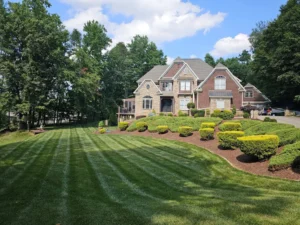


A healthy lawn in North Carolina is more than curb appeal. It is the first impression of your property, a place for family activities, and a major factor in property value. But maintaining a green lawn in North Carolina comes with one persistent challenge: weeds.
From crabgrass invading warm-season lawns to broadleaf weeds taking over cool-season turf, unwanted growth competes with your grass for nutrients, water, and sunlight. Many homeowners wait until weeds are visible everywhere before taking action. Unfortunately, by then, the problem is already established.
The truth is simple: timing is everything.
The success of weed control in NC depends largely on when treatments are applied. Applying products too early or too late can reduce effectiveness and increase costs.
In this guide, you will learn the best seasons for weed control, treatment strategies by weed type, warning signs your lawn needs attention, and how professional weed management protects lawns throughout North Carolina.
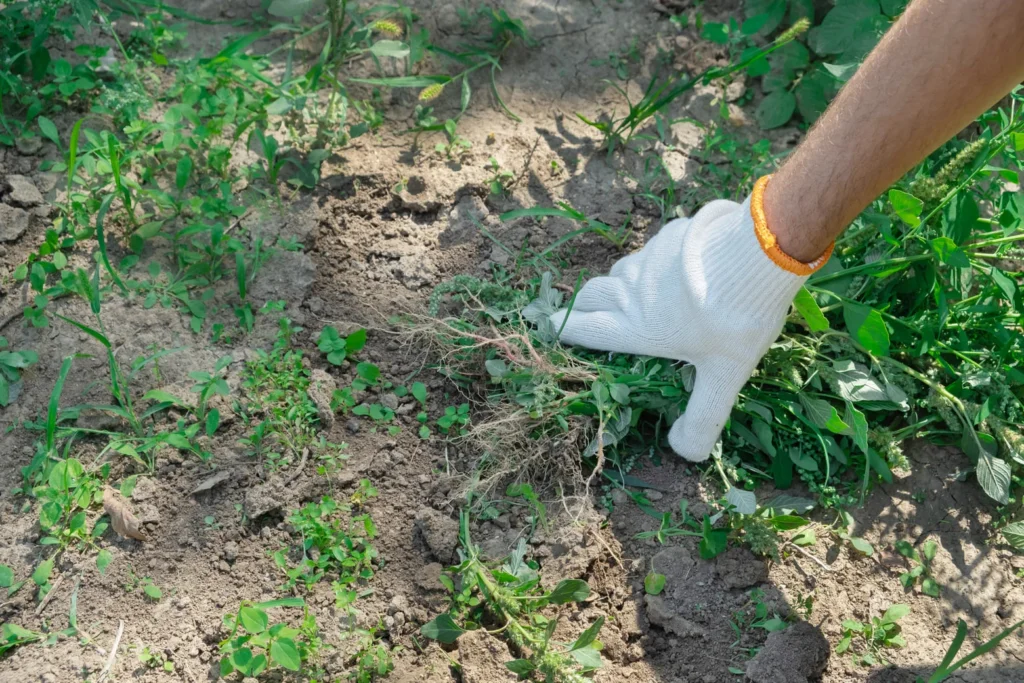
Why Timing Matters for Weed Control in NC
Many homeowners assume weed control means spraying weeds whenever they appear. Effective lawn management works differently.
Professional weed control in NC focuses on prevention first and treatment second.
When weeds germinate, they begin competing immediately for:
- Soil nutrients
- Moisture
- Root space
- Sunlight
- Fertilizer absorption
By the time weeds become obvious, they may already have established root systems.
Common North Carolina weeds include:
Warm Season Invaders
- Crabgrass
- Goosegrass
- Nutsedge
- Spurge
Cool Season Broadleaf Weeds
- Clover
- Chickweed
- Henbit
- Dandelion
- Plantain
Each weed follows different growth cycles, which means treatment timing changes throughout the year.
That is why local lawn specialists build seasonal treatment plans instead of one-time applications.
The Best Time to Apply Weed Control in North Carolina
The best time for weed control in NC depends on the weed category and seasonal temperatures.
Early Spring: Prevent Summer Weeds Before They Start
Ideal timing: February through April
Spring is one of the most important periods for lawn weed prevention in North Carolina.
As soil temperatures rise, annual grassy weeds begin germinating.
This is when professionals apply:
Pre-Emergent Weed Control
Pre-emergent products create a protective barrier in the soil.
Their purpose is not to kill visible weeds.
Instead, they stop germination before weeds emerge.
Spring pre-emergents help control:
- Crabgrass
- Goosegrass
- Foxtail
- Spurge
Missing this treatment window often leads to summer weed outbreaks.
For homeowners in:
- Charlotte
- Huntersville
- Mooresville
- Cornelius
- Davidson
- Lake Norman areas
Spring applications are often one of the most valuable lawn investments of the year.
CTA: Want a weed-free lawn before summer arrives? Schedule your spring weed control service early before weed germination begins.
Summer Weed Control: Managing Active Growth
Summer presents different challenges.
Heat, humidity, and rain create ideal conditions for weed expansion.
During this season, post-emergent treatments become essential.
What Is Post-Emergent Weed Control?
Post-emergent applications target weeds already visible in the lawn.
Professional treatments focus on:
- Broadleaf weeds
- Sedges
- Active grassy weeds
- Spot treatments
Summer weed management often combines:
- Selective herbicides
- Nutrient balancing
- Turf strengthening
- Irrigation recommendations
Strong grass naturally suppresses weeds.
Weak turf invites them.
Fall Is One of the Most Overlooked Seasons for Weed Control in NC
Many homeowners stop lawn care after summer.
This is a major mistake.
Fall is actually one of the best seasons for weed control in NC.
Why Fall Treatments Work So Well
Cool-season weeds begin germinating during autumn.
Applying treatments in fall targets weeds before winter establishment.
Fall weed control helps manage:
- Chickweed
- Henbit
- Clover
- Annual bluegrass
- Dandelions
Weeds actively absorb nutrients in cooler weather.
This makes herbicide applications more effective.
Fall treatments often produce stronger results than spring applications.
Winter Lawn Preparation Helps Reduce Weed Pressure
Winter may seem quiet, but it is preparation season.
Professional lawn companies use this period for:
Lawn Evaluation
Checking:
- Bare spots
- Soil issues
- Drainage concerns
- Compaction
- Turf density
Thin lawns become weed magnets.
Improving turf density before spring reduces future weed problems naturally.
Benefits of Professional Weed Control Services in NC
Many property owners try DIY solutions first.
Store products may help temporarily, but they rarely solve root causes.
Professional weed control in NC offers long-term advantages.
1. Better Lawn Density
Healthy grass crowds out weeds.
Professional programs strengthen turf naturally.
Result:
Fewer weeds over time.
2. Seasonal Treatment Planning
One application rarely solves weed issues.
Experts create annual schedules including:
Spring prevention
Summer management
Fall protection
Winter preparation
3. Lower Long-Term Costs
Ignoring weeds often leads to:
- Lawn damage
- Reseeding expenses
- Turf replacement
- Fertilizer waste
Preventive treatment reduces these costs.
4. Improved Property Appearance
A clean lawn improves:
- Home value
- Visual appeal
- Customer perception
- Outdoor usability
Commercial properties especially benefit from consistent weed management.
Signs You Need Weed Control Service Immediately
Not sure if your property needs treatment?
These warning signs indicate action is needed.
Weeds Keep Returning After DIY Treatments
Temporary improvement followed by regrowth often means:
- Wrong product
- Incorrect timing
- Missing pre-emergent treatment
Grass Looks Thin or Weak
Sparse turf creates open soil.
Open soil invites weeds.
Different Weed Types Keep Appearing
Multiple weed species often indicate broader lawn imbalance issues.
Bare Areas Are Expanding
Bare zones become weed breeding areas.
Immediate correction prevents spread.
Seasonal Weed Cycles Repeat Every Year
If weeds return every spring or summer, prevention strategies are likely missing.
What Does Professional Weed Control in NC Include?
Not every lawn is the same.
Professional treatment programs usually begin with assessment.
Lawn Inspection
Specialists evaluate:
- Turf type
- Weed species
- Soil condition
- Sun exposure
- Drainage
Customized Treatment Plan
Programs may include:
Pre-Emergent Applications
Stops weeds before growth.
Post-Emergent Treatments
Targets active weeds.
Fertilization Programs
Supports turf recovery.
Soil Improvement
Strengthens root systems.
Monitoring Visits
Seasonal inspections maintain results.
Lawn Health Recommendations
Additional guidance may include:
- Watering schedules
- Mowing height
- Overseeding
- Aeration
Healthy lawns resist weeds better.
Weed Types Commonly Found Across North Carolina
Different regions experience different weed pressures.
Understanding them improves treatment timing.
Crabgrass
Appears during warmer months.
Thrives in thin lawns.
Best controlled with spring pre-emergent treatments.
Clover
Common in nutrient-deficient lawns.
Frequently appears during cool periods.
Nutsedge
Fast-growing and difficult to eliminate.
Requires specialized treatment.
Chickweed
Common in fall and winter.
Spreads rapidly.
Dandelions
Deep-rooted broadleaf weeds.
Can spread aggressively if untreated.
The Weed Control Process: How Professionals Protect Your Lawn
Every successful lawn program follows a system.
Step 1: Property Assessment
Evaluate:
Current weed activity
Grass type
Soil condition
Shade exposure
Problem areas
Step 2: Seasonal Strategy Development
A treatment calendar is built around North Carolina weather patterns.
Step 3: Application Phase
Treatments are applied during optimal timing windows.
Step 4: Lawn Monitoring
Professionals track progress and adjust strategies.
Step 5: Turf Improvement
The objective is not only weed removal.
It is lawn strengthening.
A stronger lawn naturally prevents future invasions.
Why Local Expertise Matters for Weed Control in NC
North Carolina lawns vary significantly.
Coastal regions, Piedmont areas, and urban landscapes all behave differently.
Local specialists understand:
- Regional weeds
- Climate patterns
- Soil conditions
- Grass varieties
- Seasonal timing
Generic treatment plans often fail because they ignore local conditions.
Working with professionals familiar with North Carolina environments produces better outcomes.
Common Mistakes Homeowners Make With Weed Control
Avoiding these mistakes saves time and money.
Applying Products Too Late
Waiting until weeds dominate reduces effectiveness.
Prevention works best.
Cutting Grass Too Short
Scalping weakens turf.
Weak turf invites weeds.
Overwatering
Excess moisture encourages weed activity.
Using the Wrong Product
Different weeds require different solutions.
One product does not fit all situations.
Skipping Fall Treatments
Fall is critical.
Missing autumn applications often means stronger weed pressure next spring.
Why Homeowners Choose Professional Weed Control Programs
Property owners increasingly prefer ongoing lawn programs because they provide:
Predictable maintenance
Seasonal protection
Long-term savings
Healthier turf
Improved appearance
Less homeowner effort
The result is a lawn that remains attractive throughout the year.
Why Our Weed Control Service Stands Out
Choosing a lawn provider is not only about removing weeds.
It is about protecting your investment.
Our approach focuses on:
Customized Solutions
No generic programs.
Every lawn receives its own strategy.
Seasonal Precision
Applications are scheduled according to North Carolina conditions.
Customer Communication
Clear recommendations and treatment updates.
Lawn Health First
We strengthen grass instead of relying only on herbicides.
Long-Term Results
Our goal is fewer weeds year after year.
Ready for a Healthier Lawn?
If weeds keep returning every season, the issue may not be the weeds themselves.
The issue may be timing.
Professional weed control in NC helps homeowners stop weeds before they spread, improve turf quality, and reduce future maintenance costs.
Request your free estimate today and discover how seasonal weed control can transform your property.
Frequently Asked Questions About Weed Control in NC
What is the best time for weed control in NC?
The best time for weed control in NC depends on weed type. Spring is ideal for pre-emergent applications, while fall works well for cool-season weeds.
How often should weed control in NC be applied?
Most lawns benefit from seasonal treatments throughout the year including spring prevention, summer management, and fall applications.
Can weed control damage my grass?
Professional treatments are designed to target weeds while protecting healthy turf when applied correctly.
Does weed control work after weeds appear?
Yes. Post-emergent treatments can manage visible weeds, though prevention usually provides better long-term results.
Is fall a good season for lawn weed treatments?
Yes. Fall is often one of the most effective seasons because cool-season weeds begin establishing during this period.
How long does it take to see results?
Visible improvement varies by weed type and treatment method, but many lawns begin showing results within weeks after application.