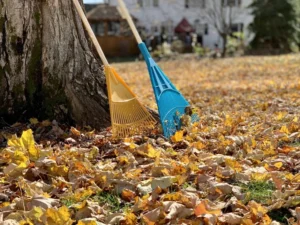



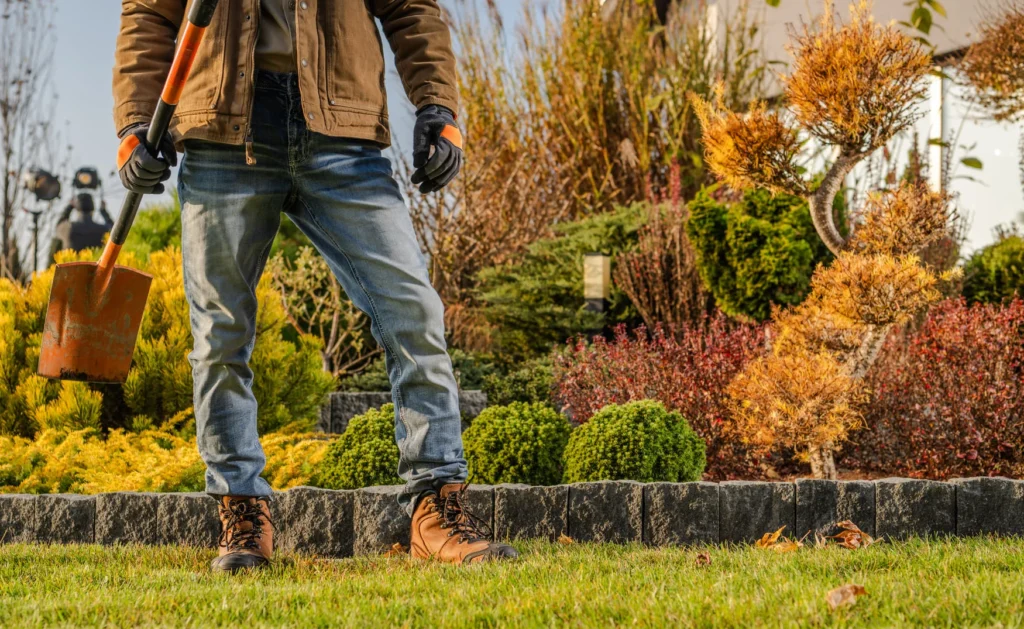






Fall in Mooresville, North Carolina, brings cooler mornings, changing leaves, and the opportunity to enjoy the outdoors before winter arrives. But as the trees around Lake Norman begin dropping their leaves, homeowners face an important seasonal task: preparing their yards for the months ahead.
A few weeks of falling leaves can transform a well-maintained lawn into a yard covered with debris. Landscape beds become cluttered, shrubs may need attention, and grass can struggle when covered by thick layers of wet leaves. Gutters and drainage areas can also become blocked just when seasonal rain makes proper water flow especially important.
That is why fall yard cleanup in Mooresville, NC, should be more than a quick weekend of raking. It is an opportunity to protect your lawn, improve curb appeal, organize your landscape, and reduce the amount of work waiting for you when spring arrives.
The challenge is knowing what needs attention first, which tasks you can handle yourself, and when professional landscaping services can save you time and prevent avoidable problems.
This guide walks you through a practical fall yard cleanup checklist tailored to homeowners in Mooresville and the surrounding Lake Norman area. You will learn how to manage fallen leaves, prepare your lawn for winter, clean landscape beds, maintain shrubs, address drainage concerns, and decide whether professional yard cleanup makes sense for your property.
If your schedule is already full, you do not have to handle every task yourself. A local lawn-care professional can help you get your property ready for winter without sacrificing your weekends.
Ready to get your yard in shape for fall? Request a quote for residential yard cleanup and seasonal landscape maintenance in Mooresville, NC.
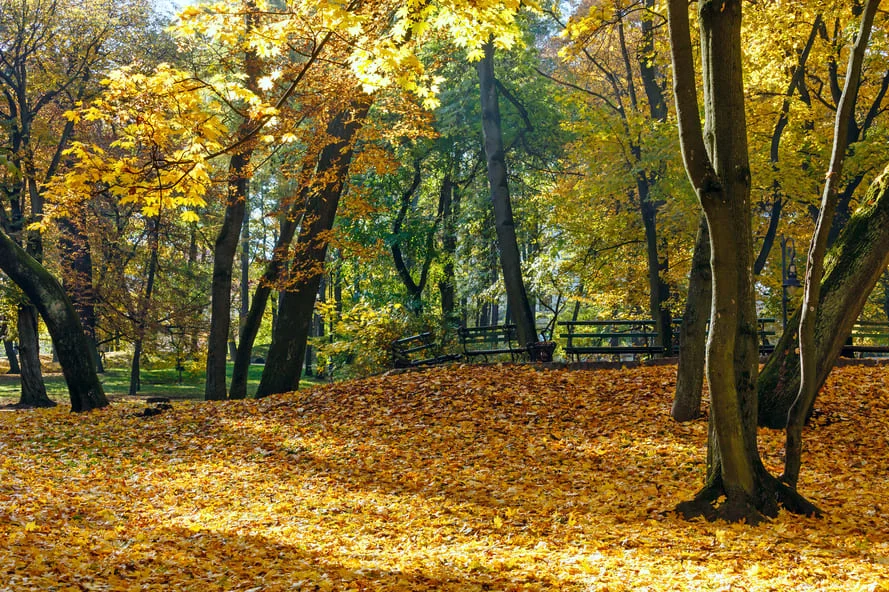
Why Fall Yard Cleanup Matters in Mooresville, NC
Mooresville’s climate creates specific challenges for residential landscaping. Warm-season and cool-season grasses respond differently to changing temperatures, trees shed leaves over several weeks, and rainfall can leave landscape beds and lawns saturated.
Because conditions change throughout autumn, delaying cleanup until every leaf has fallen can create unnecessary work.
Protect your lawn from heavy leaf coverage
A light layer of leaves may not require immediate removal. In some situations, dry leaves can be mulched into small pieces and returned to the lawn.
However, thick, matted layers of leaves can block sunlight, restrict air movement, and trap moisture against the grass. This can weaken turf and contribute to conditions that encourage lawn disease.
Removing excessive leaf coverage helps your grass receive the light and air it needs.
Keep landscape beds from becoming neglected
Fallen leaves, branches, weeds, and other debris can accumulate around shrubs, ornamental plants, and foundation beds.
When these areas are left unattended, the landscape can quickly look messy even if the lawn itself is in good condition.
Cleaning the beds restores a defined appearance and makes it easier to identify plants that need pruning, additional mulch, or other maintenance.
Improve curb appeal before winter
Your front yard creates the first impression of your home. Clean lawn edges, clear walkways, tidy shrubs, and maintained landscape beds can make the entire property look more inviting.
Fall cleanup also helps prevent the landscape from appearing neglected during the cooler months when plants may lose foliage or enter dormancy.
Reduce spring maintenance
Removing debris and addressing landscape problems in fall can reduce the amount of work waiting for you in spring.
You can start the next growing season with cleaner beds, fewer accumulated branches, more manageable landscaping, and a clearer picture of any lawn areas that need attention.
Your Complete Fall Yard Cleanup Checklist
Use this checklist to organize seasonal maintenance and prioritize the areas that need the most attention.
Not every property requires every task. The right approach depends on the trees, turfgrass, shrubs, drainage, and landscape features around your home.
1. Remove Fallen Leaves From the Lawn
Leaf removal is one of the most important fall yard maintenance tasks in Mooresville.
As deciduous trees lose their leaves, homeowners may need several cleanup visits rather than one major cleanup at the end of autumn.
Start by identifying areas where leaves accumulate most heavily, including:
- Front and back lawns
- Areas beneath large trees
- Fences and property boundaries
- Corners where wind pushes leaves together
- Low spots where leaves collect after rain
- Areas around patios, decks, and outdoor living spaces
For a light covering of dry leaves, mulching may be appropriate if the pieces are small enough to settle between grass blades without forming a dense layer.
When leaves are thick, wet, or matted, removal is generally the better option.
Leaving heavy leaf coverage on the lawn for extended periods can reduce the amount of light reaching the grass and increase moisture retention.
Homeowner tip: Do not wait until the entire property is covered. Removing leaves periodically can make each cleanup faster and easier.
2. Clear Leaves From Landscape Beds
Landscape beds often collect leaves from surrounding trees, shrubs, and nearby lawns.
Although some natural leaf litter can benefit soil and wildlife in suitable areas, excessive debris around ornamental plants can make the beds look untidy and interfere with routine maintenance.
During fall cleanup:
- Remove excessive leaf buildup.
- Pull or remove weeds where appropriate.
- Collect fallen branches and broken twigs.
- Clear debris from around the bases of shrubs.
- Inspect exposed irrigation components.
- Check for damaged landscape edging.
- Identify areas where mulch may need attention.
Avoid stripping every bed completely bare simply for appearance. Some plants benefit from an appropriate layer of organic material, and habitat-friendly areas may be managed differently from formal ornamental beds.
The objective is to remove problematic accumulation while maintaining the landscape’s health.
3. Inspect Trees and Collect Fallen Branches
Fall weather can bring wind, rain, and occasional storms to the Lake Norman area.
Small branches may accumulate in the lawn, around fences, and near walkways. These should be collected before they become obstacles or interfere with mowing.
Walk around the property and inspect:
- Front and back yards
- Driveways and walkways
- Areas beneath mature trees
- Outdoor seating areas
- Fence lines
- Landscape beds
- Areas near sheds and other structures
Look for hanging branches, visibly damaged limbs, or trees showing signs of instability.
Routine yard cleanup can address loose debris and small fallen branches. However, large limbs, hazardous trees, and elevated pruning work should be handled by a qualified tree-care professional.
Keeping the ground clear makes the property safer and improves its overall appearance.
4. Prepare Your Lawn for Cooler Weather
Fall lawn maintenance should reflect the type of grass growing on your property.
Tall fescue is common in the North Carolina Piedmont and often grows actively during cooler conditions. Bermudagrass, zoysiagrass, and centipedegrass behave differently as temperatures fall and may gradually enter dormancy.
Before winter, assess the lawn for:
- Thin or bare areas
- Excessive leaf coverage
- Uneven growth
- Weed pressure
- Soil compaction
- Discolored patches
- Areas with poor drainage
Tall fescue lawns may benefit from fall aeration and overseeding when conditions and timing are appropriate. Warm-season lawns generally follow different seasonal maintenance schedules.
Avoid applying the same treatment to every lawn simply because it is autumn.
If you are unsure what your grass needs, a lawn-care professional can help identify the turf type and recommend appropriate maintenance.
5. Mow When the Grass Is Still Growing
Fall does not automatically mean that mowing should stop.
Tall fescue can continue growing during favorable fall conditions, while warm-season grasses generally slow down as temperatures decline.
Continue mowing as needed while the lawn is actively growing. Maintain the appropriate height for your grass rather than cutting it unusually short before winter.
Before mowing, remove large branches and excessive leaves that could interfere with equipment.
If leaf coverage is heavy, remove the leaves first or mulch them appropriately. Attempting to mow through thick, wet leaf piles can produce uneven results and excessive clumping.
A clean, properly maintained lawn is easier to evaluate for weeds, bare spots, and other problems before the next growing season.
6. Trim Shrubs and Maintain Landscape Plants
Fall is a useful time to inspect shrubs and ornamental plants, but not every plant should be pruned at the same time.
Some shrubs can be lightly shaped to remove damaged or dead growth. Others flower on older wood and may lose their next season’s blooms if pruned at the wrong time.
During your inspection:
- Identify broken or damaged branches.
- Remove dead growth when appropriate.
- Check plants for signs of disease or insect damage.
- Clear branches obstructing walkways.
- Look for shrubs touching siding or interfering with windows.
- Review the shape and spacing of overgrown plants.
Avoid aggressive pruning without knowing the plant species and its seasonal requirements.
Properly timed trimming keeps the landscape manageable without compromising flowering or plant health.
7. Refresh Mulch Where Needed
Mulch can help landscape beds maintain a finished appearance while moderating soil temperature and helping conserve moisture.
Fall is a good opportunity to inspect existing mulch and identify areas where it has thinned, washed away, or become uneven.
Before adding new material, remove excessive debris and check the existing mulch depth.
Avoid piling mulch against tree trunks or shrub stems. Excessive mulch can retain too much moisture against plant tissue and contribute to other plant-health problems.
The goal is a consistent, appropriate layer rather than simply adding more material every season.
If the existing mulch is still in good condition, a full replacement may not be necessary.
8. Clear Walkways, Driveways, and Patios
Leaves and small branches do not remain confined to the lawn.
Wind and rainfall can push debris onto driveways, patios, sidewalks, steps, and outdoor living areas.
These surfaces should be included in your fall yard cleanup checklist because debris can make the property look unfinished and may become slippery when wet.
Pay particular attention to:
- Front entrances
- Sidewalks
- Driveway edges
- Patio surfaces
- Deck stairs
- Outdoor seating areas
- Paths between the house and yard
Remove leaves, collect loose branches, and sweep away debris.
If you have pavers or decorative stone, use suitable cleaning methods that will not displace jointing material or damage the surface.
A clean hardscape makes the entire property look better maintained.
9. Inspect Gutters and Surface Drainage
Leaves can accumulate in gutters, downspouts, and drainage channels, especially when mature trees surround the house.
Blocked drainage systems may prevent water from moving away from the roof and foundation as intended.
As part of seasonal property maintenance, inspect visible gutters and downspout outlets for obvious obstructions. Check whether water appears to collect in lawn depressions or flow toward the home.
Also inspect:
- Drainage grates
- Surface channels
- Low spots in the yard
- Areas around retaining walls
- Downspout discharge locations
- Sections of the lawn that remain wet after rain
Do not assume that every low spot needs to be filled or that every drainage issue can be solved by removing leaves. Persistent standing water may indicate grading, compaction, or drainage-system problems.
Gutter work at height should be handled by a properly equipped professional when there is a fall risk. Complex drainage issues may require a landscaping or drainage specialist.
10. Remove Weeds Before They Spread
Fall weed management depends on the species, turf type, and local growing conditions.
Some weeds continue growing during cooler weather, while others may produce seeds or spread before winter.
Inspect lawn edges, landscape beds, driveway joints, and fence lines.
Remove weeds using appropriate methods and avoid disturbing desirable plants.
For persistent lawn weeds, a targeted weed-control program may be more effective than repeated manual removal.
If you plan to overseed tall fescue, make sure weed-control products and application timing are compatible with the seeding schedule. Certain herbicides can interfere with grass establishment.
A coordinated lawn-care plan can help prevent one maintenance task from undermining another.
11. Check Outdoor Equipment and Irrigation
Fall cleanup is also a good time to prepare the equipment and outdoor systems you use throughout the year.
Inspect hoses, irrigation components, outdoor faucets, and accessible equipment for damage.
In North Carolina, winter preparation should reflect the expected weather and the specific irrigation system. Some systems may need seasonal winterization, while others can remain in service depending on conditions and design.
For lawn equipment, remove accumulated debris and follow the manufacturer’s instructions for cleaning and storage.
Store tools properly and address obvious maintenance needs before they become problems during the next growing season.
12. Organize Yard Waste and Debris Disposal
A thorough fall cleanup can produce a surprising amount of material.
Leaves, branches, weeds, and plant debris need to be handled appropriately rather than pushed into corners of the property.
Before beginning, determine how your local waste collection or yard-waste program handles leaves and branches.
Separate material when required, and avoid placing debris in storm drains or drainage channels.
Composting suitable organic material may be an option if you have the space and can manage the process properly.
For larger properties, heavy leaf coverage, or extensive seasonal debris, a professional yard cleanup service may be more practical than making multiple trips to dispose of everything.
Benefits of Professional Fall Yard Cleanup in Mooresville
A fall cleanup service can save homeowners time while helping prepare the landscape for winter.
Its value is especially noticeable when a property has mature trees, extensive planting beds, long fence lines, or a large lawn.
A cleaner lawn without spending every weekend raking
Leaf removal can become a recurring job during peak leaf-drop season.
Professional service helps reduce the time you spend collecting, moving, and disposing of yard debris.
Instead of repeatedly postponing cleanup, you can maintain the property according to a more manageable schedule.
Better curb appeal throughout autumn
Clean lawns, tidy landscape beds, and clear walkways make a home look cared for.
This can be especially valuable when hosting family, entertaining guests, or preparing a property for sale.
Less accumulated debris before winter
Removing excessive leaves and branches helps keep the yard manageable as temperatures fall.
It also makes it easier to spot areas that need additional attention, such as damaged shrubs, bare lawn patches, or drainage concerns.
More convenient seasonal maintenance
A professional provider can help coordinate leaf removal, mowing, bed cleanup, trimming, and other appropriate services.
Combining tasks can simplify scheduling and reduce the chance that important areas are overlooked.
More time to enjoy your property
Your yard should be a place to relax, spend time with family, or entertain guests—not a never-ending list of seasonal chores.
Professional fall yard cleanup can help you reclaim that time while keeping the landscape presentable.
Need help getting your property ready for winter? Request a quote for fall yard cleanup in Mooresville, NC, and ask which services fit your property’s needs.
What Does a Fall Yard Cleanup Service Include?
The scope of a professional cleanup varies by property, service provider, and the amount of accumulated debris.
A typical residential fall cleanup may include several of the following services.
Leaf removal and collection
Leaves are collected from lawns, landscape beds, walkways, and other agreed-upon areas.
Depending on the service and property conditions, leaves may be removed, bagged, or handled through an appropriate disposal method.
Lawn mowing and trimming
If the grass is actively growing and conditions are suitable, mowing and trimming may be included.
The work should reflect the grass type and current growing conditions.
Landscape bed cleanup
Excessive leaves, weeds, small branches, and loose debris are removed from designated beds.
This helps restore the appearance of planting areas.
Shrub and ornamental plant maintenance
Light pruning or trimming may be included when appropriate for the plant species and season.
Major pruning, tree work, and specialized plant-health treatments may require separate services.
Hardscape cleanup
Walkways, driveways, patios, and other accessible hard surfaces are cleared of leaves and loose debris.
Final property inspection
The cleanup concludes with a review of the agreed-upon areas to identify missed debris and confirm that the property looks orderly.
Before booking, ask for a clear explanation of what the quote includes. Gutter cleaning, large-branch removal, hauling, extensive pruning, and drainage repairs are not automatically included in every yard cleanup package.
How the Fall Yard Cleanup Process Works
A straightforward process helps homeowners understand what will happen and what results to expect.
Step 1: Evaluate the property
The first step is to assess the size of the lawn, tree coverage, landscape beds, hardscape areas, and amount of accumulated debris.
This helps establish the scope of the work.
Step 2: Identify priority areas
Some properties need extensive leaf removal, while others primarily need bed cleanup, trimming, or debris collection.
Prioritizing the areas with the greatest buildup makes the cleanup more efficient.
Step 3: Complete the agreed-upon services
The cleanup team performs the work outlined in the service agreement, such as leaf collection, lawn maintenance, trimming, and hardscape cleanup.
Step 4: Handle the debris appropriately
Collected leaves and yard waste are handled according to the agreed-upon disposal arrangement and applicable local requirements.
Step 5: Review the finished property
The final review checks the serviced areas for remaining debris and confirms that the agreed-upon work has been completed.
Step 6: Discuss additional maintenance needs
If the property would benefit from aeration, overseeding, mulch installation, or other seasonal services, those needs can be discussed separately.
The homeowner can then decide which services make sense for the property and budget.
When Should You Schedule Fall Cleanup in Mooresville?
The best timing depends on tree coverage, grass type, weather, and how much debris accumulates.
For many homeowners, fall cleanup is best approached as a series of maintenance tasks rather than one appointment scheduled after every leaf has fallen.
Early fall: Inspect and prepare
Start by evaluating landscape beds, lawn condition, shrubs, and drainage.
Identify any services that should be completed before the busiest part of leaf-drop season.
For tall fescue lawns, early fall may also be an important time to evaluate whether aeration and overseeding are appropriate.
Mid-fall: Keep up with leaf accumulation
As leaves begin falling in greater quantities, remove heavy coverage from lawns and clear important walkways.
Properties surrounded by mature trees may benefit from multiple leaf-removal visits.
Late fall: Complete the final cleanup
Once most leaves have fallen, complete the remaining collection and landscape-bed cleanup.
Check that lawn areas, walkways, and other serviced spaces are clear of excessive debris before winter.
You do not need to wait until the final leaf falls to schedule help. In many cases, earlier and recurring cleanup is more manageable.
How to Choose a Fall Cleanup Company in Mooresville, NC
Choosing a local landscaping provider should involve more than comparing the lowest quote.
You want to understand what work will be performed, how debris will be handled, and whether the provider can accommodate your property.
Confirm the service area
Choose a provider that regularly serves Mooresville and can confirm availability for your neighborhood.
Homeowners elsewhere around Lake Norman may also want to verify service coverage in nearby communities.
Ask what is included
A quote should clearly distinguish between leaf removal, mowing, trimming, landscape-bed cleanup, debris hauling, and optional services.
Discuss recurring leaf removal
If your property has many mature trees, a single cleanup may not be sufficient.
Ask whether the provider offers additional visits during peak leaf-drop season.
Understand debris disposal
Confirm whether hauling or disposal is included in the price.
This is particularly important for properties with extensive leaf coverage or large amounts of branches and yard waste.
Look for clear communication
A dependable service provider should explain the scope of work, scheduling expectations, and any additional costs before work begins.
Request a property-specific quote
Two properties with the same lawn size can require very different amounts of work.
Tree coverage, slope, access, planting beds, and debris volume all affect the time required.
A quote based on your actual property is more useful than a general estimate that does not account for these details.
Signs Your Property Needs Professional Fall Yard Cleanup
You may be able to handle a small yard with a rake and a few hours of work. However, certain conditions make professional help worth considering.
Leaves return faster than you can remove them
If your property has several mature trees, the leaves may accumulate again shortly after you finish cleaning.
Recurring service can help you keep up with the volume.
The cleanup keeps getting postponed
Work, family responsibilities, and unpredictable weather can make it difficult to find enough time.
When the yard remains neglected for several weeks, a professional cleanup can help you get back on schedule.
Landscape beds are difficult to manage
Large planting beds, dense shrubs, and extensive borders can make debris removal time-consuming.
Professional maintenance can help restore a tidy appearance without requiring you to handle every area yourself.
Your lawn is covered with wet leaves
Wet leaves can become heavy and difficult to collect.
When thick layers accumulate, prompt removal can help prevent prolonged coverage of the grass.
You have more debris than you can dispose of
Large amounts of leaves and branches can create a disposal problem, even when the cleanup itself is manageable.
Ask a local provider whether debris hauling is available.
You want the property ready for guests or seasonal activities
If you are hosting family, preparing for the holidays, or simply want your yard to look better, professional cleanup can help you reach that goal without spending an entire weekend outside.
Fall Cleanup Mistakes Homeowners Should Avoid
A successful cleanup is not about removing everything from the property. It is about maintaining the landscape without causing unnecessary damage.
Leaving thick layers of leaves on the grass: Heavy leaf coverage can restrict light and trap moisture.
Cutting grass too short: The correct mowing height depends on the turfgrass. Avoid scalping the lawn to reduce future mowing.
Pruning every shrub at once: Different plants have different pruning requirements. Incorrect timing can reduce flowering or damage plant structure.
Adding excessive mulch: Too much mulch around trunks and stems can create plant-health problems.
Ignoring drainage issues: Removing leaves will not correct poor grading or a damaged drainage system.
Using the same lawn treatment on every grass type: Cool-season and warm-season lawns have different seasonal needs.
Waiting until winter to inspect the property: Addressing visible debris and maintenance needs earlier can make the work easier and more effective.
Is Professional Fall Yard Cleanup Worth the Cost?
The answer depends on the property and the amount of work required.
A small yard with few trees may be relatively easy to maintain independently. A property with extensive tree coverage, long fence lines, numerous planting beds, and large amounts of debris can require considerably more time.
When evaluating a quote, consider the full cost of doing the work yourself.
That includes equipment, bags or containers, transportation, disposal fees where applicable, and the time needed to complete the cleanup.
Professional service may be especially valuable if you would otherwise spend several weekends collecting leaves and moving yard waste.
The goal is not to pay for services you do not need. It is to choose the level of assistance that fits your property, schedule, and budget.
You can ask for a quote covering only the essential cleanup tasks and add optional services later if necessary.
Fall Yard Cleanup FAQs for Mooresville, NC Homeowners
What should be included in a fall yard cleanup checklist in Mooresville, NC?
A fall yard cleanup checklist in Mooresville, NC, should cover leaf removal, lawn inspection, landscape-bed cleanup, fallen branch collection, appropriate shrub maintenance, walkway cleanup, and visible drainage checks.
Depending on the property, you may also need mowing, weed management, mulch maintenance, or fall aeration and overseeding for tall fescue.
When should I schedule fall yard cleanup in Mooresville, NC?
Start inspecting your property in early fall and schedule cleanup as leaves begin to accumulate.
If your property has mature trees, several visits may be more practical than waiting until late fall. The timing should reflect leaf coverage, weather, and your lawn’s condition.
How often should leaves be removed from my lawn in fall?
The frequency depends on how quickly leaves accumulate.
Properties with heavy tree coverage may need weekly or more frequent attention during peak leaf drop, while properties with fewer trees may need only occasional cleanup.
Remove thick, wet layers before they remain on the grass for extended periods.
Can leaves be mulched instead of removed?
Yes, when the layer is light enough and the leaves can be chopped into small pieces that settle between grass blades.
If the lawn is covered by thick or wet leaves, collection is generally more appropriate.
Does fall yard cleanup include gutter cleaning?
Not necessarily. Gutter cleaning may be offered separately or as an additional service, but it should not be assumed to be part of a standard yard cleanup package.
Confirm the scope of work before scheduling.
Should I fertilize my lawn during fall cleanup?
Fertilization depends on the grass type, lawn condition, and timing.
Tall fescue often has important fall nutrient requirements, while warm-season grasses follow different seasonal schedules. Soil testing and appropriate local recommendations can help determine whether fertilizer is needed.
Is fall aeration and overseeding appropriate for lawns in Mooresville?
Fall is often a favorable period for aeration and overseeding tall fescue lawns in the Mooresville area.
However, these services are not equally appropriate for every grass type. Warm-season lawns generally follow different seasonal management practices.
How much does fall yard cleanup cost in Mooresville, NC?
Pricing varies according to lawn size, tree coverage, debris volume, accessibility, landscape-bed size, and the services included.
The most useful estimate is one based on your property and the specific tasks you want completed.
Ask whether leaf hauling, disposal, trimming, and additional visits are included.
Can I schedule multiple leaf-removal visits?
Many homeowners benefit from recurring cleanup when leaves are falling continuously.
Ask local landscaping providers whether they offer repeat visits or seasonal maintenance arrangements.
Why hire a local landscaping professional for fall yard cleanup?
A local professional can evaluate the specific needs of your property, help prioritize seasonal tasks, and provide maintenance suited to the landscape.
The biggest advantages for many homeowners are time savings, convenience, consistent results, and less accumulated yard debris before winter.
Get Your Mooresville Yard Ready for Winter
Fall yard cleanup is an investment in the condition and appearance of your property.
Removing excessive leaves, clearing landscape beds, collecting fallen branches, maintaining the lawn, and addressing visible drainage concerns can make your yard easier to manage as winter approaches.
For homeowners in Mooresville, these tasks are particularly important when mature trees and changing autumn weather create repeated cleanup needs.
You do not have to complete every task in one weekend. Start with the areas that matter most, establish a practical schedule, and bring in professional help when the workload becomes too much.
A clean, well-maintained yard can improve curb appeal, reduce seasonal stress, and help you begin spring with fewer accumulated maintenance tasks.
Ready to check fall yard cleanup off your list?
Request a quote from a local landscaping professional serving Mooresville, NC.
Ask about leaf removal, lawn maintenance, landscape-bed cleanup, shrub trimming, and seasonal debris removal. Choose the services that fit your property and schedule.
Call today, submit a quote request, or schedule a fall yard cleanup evaluation.
Enjoy the beauty of fall around Lake Norman without spending every weekend trying to keep up with the leaves.