




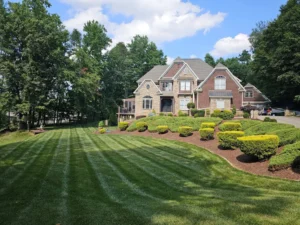


Nothing is more frustrating than watching a healthy green lawn suddenly develop brown, thinning, or dying patches. Many homeowners in Mooresville immediately assume their yard simply needs more water, while others believe insects are destroying the grass. The truth is that Grub Damage vs Drought Stress in Mooresville, making it difficult to know which problem you’re dealing with
Making the wrong diagnosis can cost both time and money. Increasing irrigation won’t solve a grub infestation, and applying insect treatments won’t revive grass suffering from prolonged drought. Understanding the difference is the first step toward restoring your lawn quickly and preventing more extensive damage.
If you’ve noticed brown patches appearing across your yard, don’t guess. A professional inspection can identify the real cause before the problem spreads throughout your property.
Need answers fast? Contact our Mooresville lawn care specialists today for a professional lawn evaluation and receive a customized treatment plan designed specifically for your property.
Why Homeowners in Mooresville Commonly Confuse Grub Damage with Drought Stress
North Carolina’s climate creates ideal conditions for both summer drought stress and lawn-damaging insects. During late spring, summer, and early fall, temperatures rise significantly while rainfall becomes inconsistent. At the same time, white grubs become more active beneath the soil surface.
Because both issues produce brown, irregular patches, many homeowners mistakenly treat the wrong problem.
Several factors contribute to this confusion:
- Grass loses its vibrant green color.
- Large brown patches begin appearing.
- The lawn looks thin and unhealthy.
- Areas seem to stop growing.
- Bare spots continue expanding over time.
Although these symptoms appear similar at first glance, the underlying causes are completely different.
Understanding Grub Damage in Mooresville Lawns
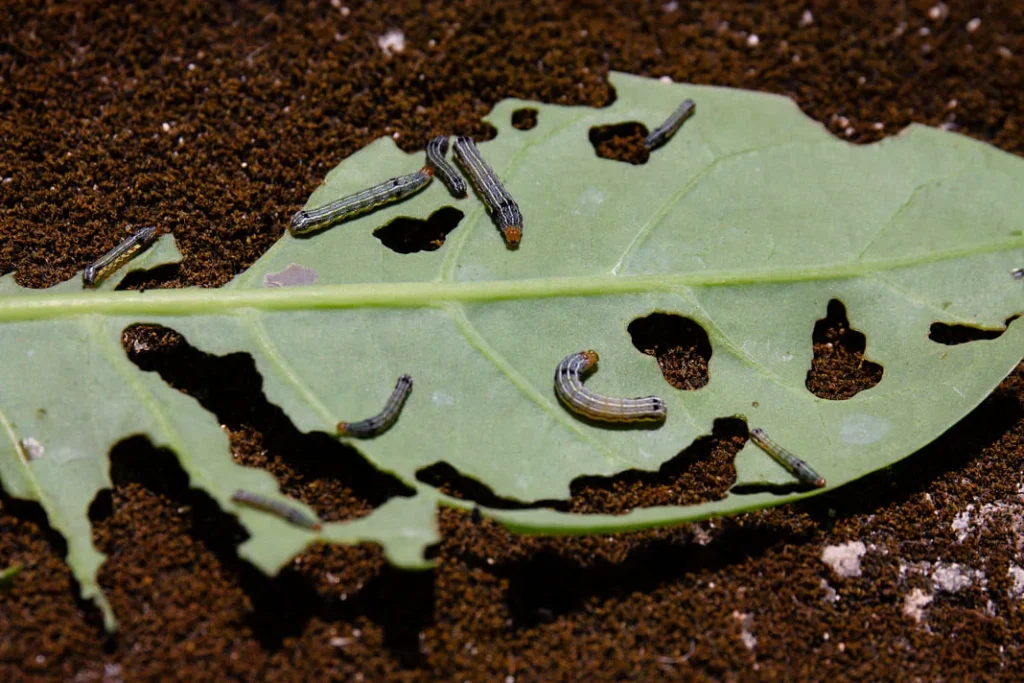
White grubs are the immature larvae of several beetle species. They live underground where they feed on the roots of your grass. Instead of damaging the blades you can see, they attack the root system responsible for supplying water and nutrients.
As the roots disappear, your lawn gradually loses its ability to stay healthy—even if you’re watering consistently.
Common Signs of Grub Damage
Homeowners often notice:
- Brown patches that continue growing.
- Grass that feels loose.
- Turf lifting like a piece of carpet.
- Increased bird activity.
- Raccoons or skunks digging overnight.
- Grass pulling up easily with almost no roots attached.
One of the easiest tests involves grabbing a section of damaged turf and gently pulling upward. If the grass separates easily from the soil, grubs are often the cause.
Warm, Moist Soil Creates the Perfect Environment
White grubs thrive in warm soil with consistent moisture. During the summer, adult beetles lay their eggs beneath the turf. Within a few weeks, those eggs hatch, and young grubs immediately begin feeding on the grass roots.
This feeding cycle typically becomes more noticeable from late July through early fall, although the exact timing depends on weather conditions and the beetle species present in the area.
Lawns that receive regular irrigation and fertilization can actually attract more beetles because healthy turf provides an ideal place to lay eggs.
Common factors that increase the risk of grub infestations include:
- Consistently irrigated lawns
- Thick, healthy turf
- Mild winters
- Warm summer temperatures
- Poor preventive pest management
Without treatment, grub populations can increase significantly from one season to the next.
What Is Drought Stress?
Unlike grub damage, drought stress is caused by a lack of available moisture rather than insects.
When grass cannot absorb enough water from the soil, it naturally enters a survival mode. Growth slows dramatically, blades lose their vibrant color, and sections of the lawn begin turning tan or brown.
This response is completely normal. In fact, many cool-season grasses common in North Carolina become dormant during periods of prolonged heat.
Dormancy helps the grass survive—but only if drought conditions don’t last too long.
Common Signs of Drought Stress
While drought stress and grub damage may look similar from a distance, several clues help distinguish them.
Typical symptoms include:
- Gray-green or bluish grass before turning brown
- Footprints remaining visible after walking across the lawn
- Dry, hard soil
- Grass blades curling inward
- Uniform discoloration across sunny areas
- Slow growth during hot weather
Unlike grub damage, the roots usually remain healthy.
When rainfall returns or irrigation improves, drought-stressed grass often begins recovering within a few weeks.
Grub Damage vs Drought Stress in Mooresville: The Key Differences
Proper diagnosis is essential before investing in treatments.
Here are the biggest differences homeowners should look for.
Root Condition
Grub Damage
The insects consume the roots, leaving very little to anchor the turf.
Grass pulls away easily.
Drought Stress
Roots remain firmly attached.
The grass resists being pulled from the soil.
Soil Moisture
Grub Damage
The soil often has adequate moisture because watering continues, but the damaged roots cannot absorb it.
Drought Stress
The soil is noticeably dry several inches below the surface.
Wildlife Activity
Animals are often excellent indicators.
If you notice:
- Birds pecking repeatedly
- Skunks digging overnight
- Raccoons rolling back sections of turf
there is a strong possibility that grubs are present.
These animals are searching for larvae beneath the surface—not water.
Pattern of Damage
Grub infestations usually appear as irregular patches that continue expanding.
Drought stress generally affects:
- South-facing lawns
- Areas with full afternoon sun
- Slopes
- Places near sidewalks and driveways
These locations lose moisture much faster.
Response to Watering
One of the simplest diagnostic methods involves irrigation.
If you water deeply for several days:
- Grass suffering from drought often begins improving.
- Grass damaged by grubs usually continues declining because the roots have already been destroyed.
This simple observation can prevent unnecessary treatments.
Why Accurate Diagnosis Saves Money
Many homeowners unknowingly spend hundreds of dollars treating the wrong issue.
Some common mistakes include:
- Running sprinklers every day to fix grub damage.
- Applying insecticides to drought-stressed lawns.
- Replacing sod before eliminating the underlying problem.
- Fertilizing grass that’s unable to absorb nutrients.
Each incorrect decision delays recovery while increasing repair costs.
A professional inspection identifies the exact cause before additional damage occurs.
The Hidden Cost of Waiting Too Long
Whether your lawn is suffering from insects or drought, delaying treatment rarely improves the situation.
Small brown patches can quickly expand into large dead areas requiring:
- Sod replacement
- Extensive overseeding
- Soil restoration
- Root repair
- Multiple treatment applications
The sooner the problem is identified, the easier—and less expensive—it is to restore your lawn.
For homeowners in Mooresville, early intervention often means preserving the majority of the existing turf instead of starting over.
How Professionals Diagnose Lawn Problems
An experienced lawn care specialist doesn’t rely on appearance alone.
A comprehensive inspection typically includes:
Visual Turf Evaluation
The lawn is inspected for discoloration patterns, thinning grass, wildlife activity, and environmental stress factors.
Root Inspection
Sections of turf are gently lifted to determine whether the root system remains intact.
Loose grass is often one of the strongest indicators of grub activity.
Soil Examination
Technicians evaluate:
- Soil moisture
- Compaction
- Organic matter
- Drainage conditions
These factors help determine whether drought, insects, disease, or multiple issues are affecting the lawn.
Grub Count
Small soil samples are examined to determine the number of grubs per square foot.
Not every grub population requires treatment.
However, when populations exceed acceptable thresholds, prompt control is recommended to prevent widespread turf loss.
Why Professional Diagnosis Is More Reliable
While online guides and DIY tests can be helpful, lawns often suffer from more than one problem at the same time.
For example, a property may experience:
- Mild drought stress
- Heat stress
- Soil compaction
- Early grub activity
- Nutrient deficiencies
These combined factors can create symptoms that are difficult to identify without experience.
A professional evaluation eliminates the guesswork and allows you to invest in the right solution the first time.
Effective Treatments for Grub Damage
Once a grub infestation has been confirmed, acting quickly is essential. Every day the larvae continue feeding, they destroy more of your lawn’s root system. The longer they remain active, the more difficult—and expensive—the recovery process becomes.
Professional lawn care companies use targeted treatments based on the severity of the infestation, the time of year, and the condition of your turf.
Curative Grub Control
If grubs are actively feeding, a curative treatment is often the fastest solution. These products are designed to reduce existing grub populations before they cause additional root damage.
A professional application ensures the treatment reaches the soil where the grubs are feeding rather than remaining on the grass blades.
Preventive Grub Control
Preventive applications are typically performed before eggs hatch. This proactive approach significantly reduces the likelihood of a damaging infestation later in the season.
Preventive treatments are especially valuable for homeowners who have experienced grub problems in previous years.
Lawn Recovery After Grub Damage
Eliminating the insects is only the first step. Once the grubs are gone, the lawn needs help rebuilding a healthy root system.
Recovery may include:
- Core aeration to reduce soil compaction
- Overseeding thin or damaged areas
- Balanced fertilization
- Proper irrigation scheduling
- Soil conditioning
- Ongoing lawn monitoring
Combining these services encourages new root growth and helps your lawn recover faster.
How to Restore a Lawn Suffering from Drought Stress
If your lawn inspection confirms drought stress rather than insect damage, the focus shifts to restoring moisture and improving the soil’s ability to retain water.
Recovery usually involves gradual improvements rather than flooding the lawn with excessive irrigation.
Smart Watering Practices
Many homeowners water too frequently but not deeply enough.
Deep watering encourages roots to grow farther into the soil, making the lawn more resilient during future dry periods.
A typical recommendation includes:
- Watering early in the morning
- Applying approximately one inch of water per week (including rainfall)
- Avoiding daily shallow watering
- Adjusting irrigation based on weather conditions
Proper watering promotes stronger, healthier turf while reducing unnecessary water usage.
Improve Soil Health
Healthy soil acts like a sponge, storing moisture where grass roots can access it.
Professional lawn care services may recommend:
- Core aeration
- Compost enrichment
- Organic soil amendments
- Balanced fertilization
- pH testing
- Moisture management strategies
Improving the soil often delivers longer-lasting results than simply increasing irrigation.
What’s Included in Our Lawn Care Service?
Our lawn evaluations go far beyond identifying brown grass. We inspect every factor that contributes to your lawn’s health and create a customized treatment plan based on your property’s specific needs.
Our service may include:
- Comprehensive lawn inspection
- Root system evaluation
- Grub activity assessment
- Soil moisture testing
- Turf health analysis
- Customized fertilization recommendations
- Professional grub treatments
- Aeration recommendations
- Overseeding solutions
- Seasonal lawn maintenance planning
Every lawn is different, which is why we never rely on one-size-fits-all treatments.
The Benefits of Professional Lawn Care
Choosing a professional lawn care company offers advantages that extend well beyond greener grass.
Save Time
Instead of spending weekends trying different products and hoping for results, you receive an accurate diagnosis and an effective treatment plan from the start.
Prevent Costly Repairs
Early detection helps prevent extensive turf loss, reducing the need for expensive sod replacement or major lawn renovations.
Healthier Grass Year-Round
A customized maintenance program helps your lawn remain healthier throughout every season—not just during the summer.
Better Curb Appeal
A lush, green lawn enhances the appearance of your entire property and creates a welcoming first impression for visitors and neighbors.
Increased Property Value
Healthy landscaping contributes to stronger curb appeal, which can positively influence your home’s perceived value.
Our Proven Lawn Care Process
We believe exceptional results begin with a systematic approach.
Step 1: Lawn Evaluation
We carefully inspect your property to determine whether you’re dealing with Grub Damage vs Drought Stress in Mooresville or another underlying issue.
Step 2: Accurate Diagnosis
Our specialists evaluate soil conditions, root health, moisture levels, and insect activity before recommending any treatment.
Step 3: Customized Treatment Plan
Every lawn receives a solution tailored to its condition, grass type, and seasonal needs.
Step 4: Professional Treatment
Our experienced technicians apply the appropriate treatments using professional-grade equipment and proven best practices.
Step 5: Ongoing Monitoring
Healthy lawns require consistent care. We monitor progress and adjust recommendations as conditions change throughout the year.
Why Homeowners Choose Our Lawn Care Team
Choosing the right lawn care company can make all the difference in how quickly your lawn recovers.
Here’s why homeowners throughout Mooresville trust us:
- Experienced lawn care professionals
- Local knowledge of North Carolina turf conditions
- Customized treatment plans
- Honest recommendations
- Reliable scheduling
- High-quality products
- Friendly customer service
- Focus on long-term lawn health rather than temporary fixes
Our goal isn’t simply to eliminate today’s problem—it’s to help you maintain a healthier lawn for years to come.
Frequently Asked Questions
How can I tell if I have Grub Damage vs Drought Stress in Mooresville?
The easiest way is to inspect the roots. Grass damaged by grubs usually pulls up easily because the roots have been eaten. Drought-stressed grass typically remains firmly rooted but feels dry and brittle. A professional inspection provides the most accurate diagnosis.
Can Grub Damage vs Drought Stress in Mooresville happen at the same time?
Yes. It’s possible for a lawn to experience drought stress while also having an active grub population. This combination often accelerates turf decline because weakened grass becomes more vulnerable to insect damage.
Will watering fix grub damage?
No. Additional watering cannot restore roots that have already been consumed by grubs. The infestation must be treated before the lawn can begin recovering.
When is the best time to prevent grub infestations?
Preventive treatments are generally most effective before newly hatched grubs begin feeding aggressively. Timing varies slightly each year depending on weather conditions, making seasonal lawn inspections especially valuable.
Should I replace my sod immediately?
Not necessarily. Many lawns recover successfully once the underlying problem is corrected. A professional evaluation can determine whether overseeding, aeration, or targeted repairs are sufficient before investing in new sod.
How often should my lawn be inspected?
A professional lawn inspection at least once or twice a year helps identify insects, diseases, nutrient deficiencies, and environmental stress before they become major problems.
Don’t Guess—Get the Right Diagnosis the First Time
Brown patches don’t always mean your lawn needs more water, and they don’t always mean insects are to blame. Correctly identifying the difference between Grub Damage vs Drought Stress in Mooresville is the key to protecting your investment and restoring a healthy, vibrant lawn.
Waiting too long or applying the wrong treatment can turn a minor issue into a costly lawn renovation. Our experienced team is here to provide an accurate diagnosis, honest recommendations, and effective solutions tailored to your property’s unique needs.
Schedule Your Free Lawn Evaluation Today
If your lawn is showing signs of stress, don’t leave the health of your landscape to guesswork.
Call us today to speak with a lawn care expert.
Request a free estimate through our online form, and we’ll create a customized treatment plan designed specifically for your lawn.
Whether you’re dealing with grub damage, drought stress, or another turf issue, we’re ready to help you restore a greener, healthier lawn that you can enjoy all year long.