




Few lawn problems create as much frustration for homeowners as armyworms.
One day your lawn looks healthy and green.
A few days later, large sections appear brown, chewed, and severely damaged.
This rapid destruction is often caused by armyworms in North Carolina, one of the most aggressive turfgrass pests affecting residential and commercial properties throughout the state.
Homeowners across Mooresville, Huntersville, Cornelius, Davidson, Denver, Charlotte, Lake Norman, and surrounding areas regularly experience armyworm outbreaks during late summer and early fall.
The challenge is that armyworms often go unnoticed until significant damage has already occurred.
The good news is that early detection, proper prevention, and professional treatment can stop these destructive pests before they devastate your lawn.
In this guide, you’ll learn how to identify armyworms, recognize early warning signs, understand why infestations occur, and discover the most effective treatment options available for North Carolina lawns.
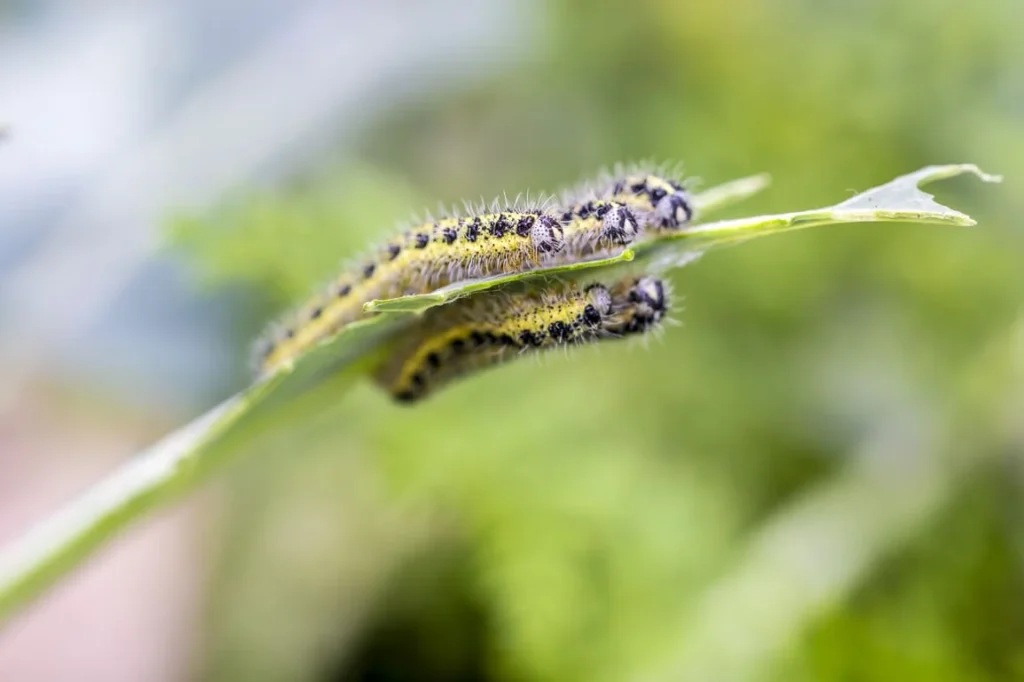
What Are Armyworms?
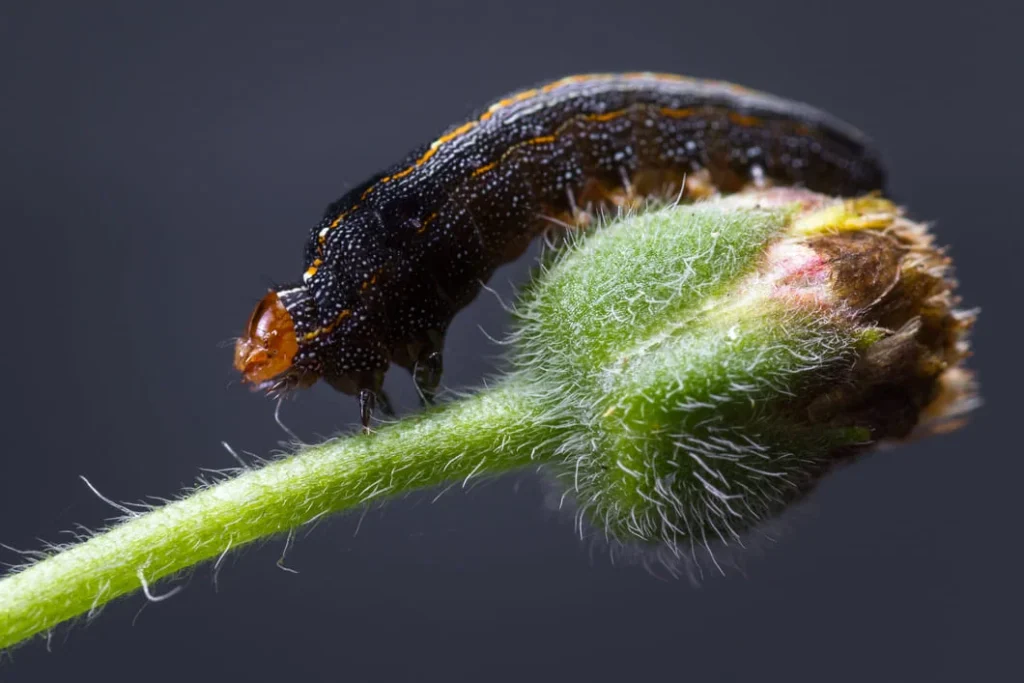
Armyworms are the larval stage of a moth known as the fall armyworm.
They receive their name because they move across turf areas in large numbers, feeding aggressively and leaving widespread destruction behind them.
Unlike many lawn pests that cause gradual damage, armyworms can devastate large sections of turf within days.
These pests commonly attack:
- Bermuda grass
- Fescue lawns
- Zoysia grass
- Newly seeded lawns
- Athletic fields
- Commercial landscapes
- Golf course turf
Because North Carolina’s climate provides favorable conditions for armyworm development, outbreaks can occur rapidly when weather patterns align.
Why Armyworms Are a Serious Problem in North Carolina
North Carolina’s warm temperatures and seasonal humidity create ideal conditions for armyworm activity.
Most infestations occur between:
- July
- August
- September
- Early October
During these months, adult moths lay eggs that quickly hatch into hungry caterpillars.
Once active, armyworms begin feeding aggressively on grass blades.
A severe infestation can strip a healthy lawn of its green appearance almost overnight.
This is one reason why professional lawn care companies place significant emphasis on monitoring and preventative insect control during peak seasons.
Early Signs of Armyworms in North Carolina
The key to minimizing damage is recognizing the warning signs before the infestation becomes severe.
Sudden Brown Patches
One of the first indicators is the appearance of irregular brown patches throughout the lawn.
Many homeowners initially assume:
- Drought stress
- Fertilizer burn
- Disease
- Pet damage
However, armyworms are often the true culprit.
Grass Blades Look Chewed
Inspect affected areas closely.
You may notice:
- Ragged leaf edges
- Missing grass blades
- Uneven turf appearance
Armyworms feed directly on grass foliage.
Increased Bird Activity
Birds are natural predators of armyworms.
If you suddenly notice large numbers of birds feeding on your lawn, it may indicate an active infestation.
Visible Caterpillars
Armyworms are usually:
- Green
- Brown
- Gray
They often display stripes running along their bodies.
During heavy infestations, they become visible on sidewalks, driveways, patios, and lawn surfaces.
Rapid Turf Decline
Perhaps the most alarming sign is how quickly damage develops.
Healthy grass can appear severely damaged within just a few days.
How Armyworms Damage Lawns
Armyworms feed on grass blades rather than roots.
At first glance, this may seem less serious than root-feeding insects.
However, the sheer volume of feeding can be devastating.
Defoliation of Turf
Armyworms consume the green tissue necessary for photosynthesis.
Without foliage, grass struggles to recover.
Stress on the Lawn
A lawn already stressed by:
- Heat
- Drought
- Disease
- Poor soil conditions
becomes even more vulnerable during an infestation.
Increased Recovery Costs
The longer an infestation continues, the greater the likelihood that:
- Reseeding
- Sod replacement
- Extensive lawn repairs
will be required.
Why DIY Armyworm Treatments Often Fail
Many homeowners attempt to solve infestations using over-the-counter products.
Unfortunately, DIY treatments often provide inconsistent results.
Incorrect Pest Identification
Not every brown lawn is caused by armyworms.
Misdiagnosing the issue leads to ineffective treatment.
Poor Timing
Armyworms are most vulnerable during specific stages of development.
Late treatment often reduces effectiveness.
Incomplete Coverage
Armyworms spread rapidly.
Missing portions of the lawn allows the infestation to continue.
Lack of Preventative Protection
DIY solutions rarely provide long-term defense against future outbreaks.
How Professional Armyworm Treatment Works
Professional lawn care companies use targeted strategies designed to eliminate active infestations and reduce future risk.
Comprehensive Lawn Inspection
The first step is identifying:
- Armyworm activity
- Severity of infestation
- Turf damage levels
- Environmental conditions
Accurate diagnosis is critical.
Customized Treatment Plan
Every property is different.
Treatment recommendations depend on:
- Grass type
- Lawn size
- Infestation level
- Seasonal conditions
Targeted Insect Control Applications
Professional-grade products are applied to eliminate active armyworms quickly and effectively.
These treatments target the pest while protecting the health of the turf.
Monitoring and Follow-Up
Ongoing monitoring ensures treatment success and helps prevent reinfestation.
Armyworm Prevention Strategies for North Carolina Lawns
The best defense against armyworms is prevention.
Maintain a Healthy Lawn
Healthy turf recovers faster from pest activity.
Regular lawn care should include:
- Proper fertilization
- Aeration
- Overseeding
- Weed control
- Soil improvement
Monitor During Peak Season
Armyworm activity often increases in late summer.
Routine inspections can identify problems before widespread damage occurs.
Reduce Lawn Stress
Proper irrigation and maintenance help strengthen turf against pest pressure.
Schedule Preventative Applications
Many professional lawn care programs include preventative insect treatments that reduce infestation risks.
Areas Most Commonly Affected by Armyworms
Armyworms can impact:
Residential Properties
Front yards and backyards are common targets.
Commercial Properties
Office complexes and retail centers often experience turf damage.
Athletic Fields
Sports fields provide ideal feeding environments.
HOA Communities
Large turf areas can support extensive infestations.
Newly Seeded Lawns
Young grass is particularly vulnerable.
Benefits of Professional Armyworm Control
Homeowners often underestimate the value of professional pest management.
Faster Results
Professional treatments act quickly.
Reduced Lawn Damage
Early intervention minimizes turf loss.
Expert Diagnosis
Professionals identify underlying issues contributing to infestations.
Long-Term Protection
Preventative strategies reduce future outbreaks.
Peace of Mind
You gain confidence knowing your lawn is protected.
Our Armyworm Treatment Process
We take a proactive approach to lawn protection.
Step 1: Lawn Evaluation
We inspect your turf for signs of armyworm activity.
Step 2: Damage Assessment
We identify affected areas and evaluate severity.
Step 3: Targeted Treatment
Professional-grade products are applied strategically.
Step 4: Monitoring
We track results and verify treatment effectiveness.
Step 5: Prevention Plan
We recommend ongoing protection strategies.
Why Homeowners Trust Our Lawn Care Team
Choosing the right lawn care company makes a significant difference.
Local Expertise
We understand the challenges facing North Carolina lawns.
Proven Treatment Programs
Our solutions are based on years of field experience.
Fast Response Times
Armyworms move quickly, and so do we.
Customized Solutions
Every lawn receives individualized care.
Focus on Long-Term Lawn Health
We don’t simply treat symptoms; we help protect your lawn year-round.
How Much Can Armyworm Damage Cost?
Many homeowners delay treatment because they hope the problem will resolve itself.
Unfortunately, waiting often increases costs.
Severe infestations may require:
- Sod replacement
- Reseeding
- Soil repair
- Additional fertilization
Preventative treatment is typically far less expensive than lawn restoration.
Don’t Wait Until Your Lawn Turns Brown
One of the biggest mistakes homeowners make is assuming brown patches will improve on their own.
Armyworms can spread rapidly and continue feeding until treatment is applied.
If you notice unusual turf damage, immediate action can save significant time and money.
The sooner treatment begins, the better the outcome.
Protect Your Lawn From Armyworms in North Carolina
Your lawn represents a major investment in your property’s beauty and value.
Armyworms can threaten that investment in a matter of days.
Professional inspection, early detection, and targeted treatment help protect your turf from costly damage.
Whether you’re seeing early warning signs or want preventative protection, our lawn care specialists can help.
Schedule Your Armyworm Inspection Today
✔ Professional Lawn Evaluation
✔ Fast Armyworm Identification
✔ Effective Treatment Solutions
✔ Preventative Protection Programs
✔ Local North Carolina Lawn Experts
Call today or complete our online form to request a free consultation and protect your lawn from armyworm damage.
Frequently Asked Questions
What are the first signs of Armyworms in North Carolina?
The most common signs include sudden brown patches, chewed grass blades, increased bird activity, and visible caterpillars moving through the lawn.
When are Armyworms in North Carolina most active?
Armyworms are typically most active from late summer through early fall, especially during warm and humid conditions.
Can a lawn recover after armyworm damage?
Yes. With prompt treatment and proper lawn care, many lawns recover successfully. Severe infestations may require overseeding or sod replacement.
How quickly can armyworms damage a lawn?
Armyworms can cause noticeable damage within just a few days and may devastate large sections of turf within a week.
Is professional armyworm treatment worth it?
Absolutely. Professional treatment provides accurate diagnosis, effective control, and preventative strategies that help protect your lawn from future outbreaks.
How can I prevent armyworms from returning?
Routine lawn inspections, preventative insect control, proper fertilization, and maintaining healthy turf significantly reduce the risk of future infestations.