






A beautiful, healthy lawn doesn’t happen by accident. It starts with careful planning and proper preparation before the growing season begins. One of the most important steps homeowners often overlook is taking the time to evaluate your lawn before the growing season. This simple but powerful process helps identify problems early, saves money, and ensures your grass grows stronger, greener, and more resilient throughout the year.
At P&G Landscaping, we believe that proper lawn assessment is the foundation of long-term lawn success. In this comprehensive guide, you’ll learn exactly how to evaluate your lawn before the growing season, what to look for, and how to take action based on what you find.
Why Is It Important to Evaluate Your Lawn Before the Growing Season?
When you evaluate your lawn before the growing season, you give yourself the opportunity to correct problems before they become costly and difficult to manage. Winter weather, foot traffic, pests, and soil conditions can all affect your lawn’s health without being immediately visible.
A proper lawn evaluation helps you:
- Identify dead or thinning grass
- Detect early weed growth
- Check soil health and compaction
- Spot drainage issues
- Plan fertilization and reseeding
- Prevent pest and disease problems
By taking the time to evaluate your lawn before the growing season, you set the stage for strong, healthy growth that lasts all year.
When Should You Evaluate Your Lawn Before the Growing Season?
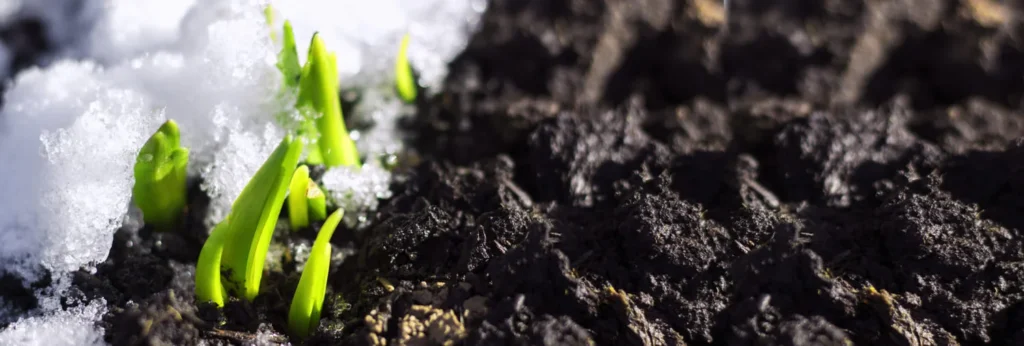
The best time to evaluate your lawn before the growing season is in late winter or early spring, just before active growth begins. This timing allows you to see the effects of the previous season while still having time to make improvements.
Look for these signs that it’s the right moment:
- Snow has melted completely
- Soil is no longer frozen
- Grass is starting to wake up
- Temperatures are consistently mild
This is the perfect window to assess conditions and prepare for new growth.
What Should You Look for When You Evaluate Your Lawn Before the Growing Season?
A thorough inspection involves more than just looking at the grass. To properly evaluate your lawn before the growing season, you need to examine several key areas:
Grass condition
Check for:
- Brown patches
- Bare spots
- Thin areas
- Uneven growth
These signs may indicate disease, pests, or poor soil quality.
Soil health
Healthy soil is the foundation of a thriving lawn. Pay attention to:
- Hard, compacted ground
- Poor drainage
- Muddy patches
- Cracked soil
Weed presence
Early weed detection is critical. If you see weeds already sprouting, they may spread quickly once the growing season begins.
Pest damage
Look for:
- Small holes in the ground
- Yellow patches
- Chewed grass blades
These can indicate insect activity beneath the surface.
When you carefully evaluate your lawn before the growing season, you gain valuable insight into what your lawn truly needs.
How Do You Check Soil Quality Before the Growing Season?
Soil quality determines how well your grass can absorb nutrients, water, and oxygen. One of the most important steps when you evaluate your lawn before the growing season is testing and observing your soil.
Simple ways to assess soil:
- Grab a handful of soil and squeeze it
- Check if water pools after rain
- Look for earthworms (a good sign)
- Notice if the ground feels very hard
If soil is compacted, grass roots struggle to grow. Aeration may be necessary to improve airflow and water absorption.
Professional soil testing can also measure pH levels and nutrient content, helping you create a targeted fertilization plan.
How Can You Identify Problem Areas in Your Lawn?
As you evaluate your lawn before the growing season, walk across your yard slowly and take notes. Problem areas often appear in patterns.
Look for:
- Shaded areas where grass struggles
- Spots near walkways that get heavy foot traffic
- Areas where water collects
- Sections near trees with root competition
Mapping these areas helps you prioritize where to focus your efforts first.
Should You Remove Debris Before the Growing Season?
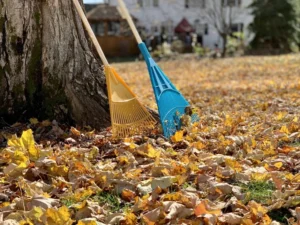
Yes. Clearing debris is an essential step when you evaluate your lawn before the growing season.
Remove:
- Leaves
- Twigs
- Dead grass
- Trash
- Fallen branches
Debris blocks sunlight and traps moisture, which can lead to mold and disease. Cleaning the lawn allows fresh air and light to reach the grass, encouraging healthy growth.
How Do You Know If Your Lawn Needs Reseeding?
One of the main reasons to evaluate your lawn before the growing season is to determine whether reseeding is necessary.
Signs you need reseeding include:
- Large bare patches
- Thin grass coverage
- Uneven lawn density
- Grass that didn’t recover after winter
Early spring is an excellent time to reseed because new grass can establish itself before summer heat arrives.
What Role Does Fertilization Play After Evaluation?
Once you evaluate your lawn before the growing season, you’ll have a clearer understanding of what nutrients your lawn needs.
Fertilizing at the right time:
- Encourages stronger root growth
- Improves color and thickness
- Helps grass compete with weeds
- Supports recovery from winter damage
The key is not to guess. Your evaluation results should guide your fertilization plan.
How Can Drainage Issues Affect Your Lawn Growth?
Poor drainage is one of the most overlooked problems homeowners discover when they evaluate their lawn before the growing season.
Signs of drainage problems include:
- Standing water after rain
- Muddy patches
- Grass that turns yellow or dies
- Uneven ground
Excess water suffocates grass roots and encourages disease. Fixing drainage early can prevent long-term damage.
Why Is Professional Lawn Evaluation Worth It?
While homeowners can do a basic inspection, hiring professionals like P&G Landscaping ensures a more detailed and accurate assessment.
A professional evaluation includes:
- Soil analysis
- Disease identification
- Customized treatment plans
- Expert fertilization strategies
- Long-term lawn health planning
When experts evaluate your lawn before the growing season, they can catch issues the average homeowner might miss.
Step-by-Step Checklist to Evaluate Your Lawn Before the Growing Season
Use this simple checklist to guide your inspection:
- Walk the entire lawn and observe grass condition
- Identify bare or thinning areas
- Check soil texture and firmness
- Look for weeds or pests
- Examine drainage patterns
- Remove debris and fallen leaves
- Plan reseeding if needed
- Consider soil testing
- Prepare fertilization strategy
This process ensures nothing important gets overlooked.
FAQ: How to Evaluate Your Lawn Before the Growing Season
What is the first step to evaluate your lawn before the growing season?
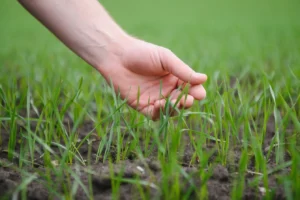
The first step is a visual inspection. Walk around your yard and look for damage, bare spots, weeds, and soil problems. This gives you an overall picture of lawn health.
How often should you evaluate your lawn before the growing season?
You should perform a full evaluation once each year in early spring. However, quick checks throughout the year help maintain lawn health.
Can I evaluate my lawn before the growing season without professional help?
Yes, you can do a basic evaluation yourself by checking grass condition, soil firmness, and drainage. However, professionals provide deeper insight and more accurate solutions.
What tools do I need to evaluate my lawn before the growing season?
You don’t need much. Helpful tools include:
- Garden rake
- Notebook
- Soil test kit
- Shovel
- Hose (to check drainage)
Why does my lawn look patchy after winter?
Winter stress, foot traffic, pests, and disease can damage grass. When you evaluate your lawn before the growing season, you can identify the cause and take action early.
Is early spring the best time to evaluate lawn health?
Yes. Early spring is ideal because the lawn is emerging from dormancy, and problems from the previous season are still visible.
Should I fertilize before or after evaluating my lawn?
Always evaluate your lawn before the growing season first. Fertilizing without understanding your lawn’s condition can lead to poor results.
How do I know if my soil is compacted?
If the ground feels very hard and water sits on the surface instead of soaking in, the soil may be compacted. Aeration may be needed.
Can evaluating my lawn help prevent weeds?
Yes. When you evaluate your lawn before the growing season, you can spot early weed growth and treat it before it spreads.
How can P&G Landscaping help with lawn evaluation?
P&G Landscaping provides expert inspections, soil testing, customized treatment plans, and ongoing care to ensure your lawn thrives throughout the year.
A Strong Lawn Starts with a Smart Evaluation
Taking the time to evaluate your lawn before the growing season is one of the most important steps you can take to ensure a lush, green yard. It helps you understand what your lawn needs, prevents problems, and sets the foundation for months of healthy growth.
At P&G Landscaping, we know that every lawn is unique. A proper evaluation allows us to create a tailored care plan designed to deliver long-term results. Whether your lawn needs reseeding, fertilization, soil improvement, or pest control, it all starts with a careful assessment.
If you want a greener, healthier lawn this year, start by taking the time to evaluate your lawn before the growing season — it’s the smartest investment you can make in your outdoor space.
Contact P&G Landscaping today to book your pre-season lawn assessment and take the first step toward a greener, healthier yard. Your best lawn starts with the right evaluation — and the right team by your side.