







Creating a beautiful garden doesn’t have to come at the expense of the environment. In fact, some of the most attractive, resilient, and low-maintenance landscapes in the Southeast are built using plants that have thrived there for centuries. If you live in North Carolina, choosing native plants is one of the smartest decisions you can make for both your yard and the local ecosystem.
In this guide, you’ll discover five native plants ideal for sustainable gardens in North Carolina, why they perform so well in this region, and how they help homeowners reduce water use, maintenance costs, and environmental impact—without sacrificing curb appeal.
Whether you’re a homeowner, landscaper, or property manager, this article will give you practical, easy-to-apply insights to build a garden that looks great year-round and works with nature, not against it.
What are the best native plants for sustainable gardens in North Carolina?
The best native plants for sustainable gardens in North Carolina include Eastern Redbud, Black-Eyed Susan, Switchgrass, Oakleaf Hydrangea, and Purple Coneflower. These plants require less water, support local wildlife, and thrive naturally in North Carolina’s climate.
Top 5 Native Plants for Sustainable Gardens in North Carolina
- Eastern Redbud (Cercis canadensis)
- Black-Eyed Susan (Rudbeckia hirta)
- Switchgrass (Panicum virgatum)
- Oakleaf Hydrangea (Hydrangea quercifolia)
- Purple Coneflower (Echinacea purpurea)
Why Native Plants Matter for Sustainable Gardening in North Carolina
Before diving into specific plant choices, it’s important to understand why native plants play such a critical role in sustainable landscaping—especially in North Carolina’s diverse climate.
North Carolina’s Unique Climate Challenges
North Carolina spans multiple climate zones, from the Appalachian Mountains to the Coastal Plain. This means gardens here face:
- Hot, humid summers
- Periodic drought conditions
- Heavy rainfall and soil erosion
- Seasonal temperature swings
Non-native plants often struggle with these conditions, requiring constant watering, fertilizing, and pest control. Native plants, on the other hand, evolved under these exact conditions.
Environmental Benefits of Native Plants
Using native plants in sustainable gardens in North Carolina offers multiple advantages:
- Reduced water consumption
- Fewer chemical fertilizers and pesticides
- Improved soil health
- Increased pollinator and wildlife support
- Better long-term plant survival
From an ecological standpoint, native plants are the backbone of local food webs, supporting birds, bees, butterflies, and beneficial insects.
Financial Benefits for Homeowners
Sustainability isn’t just good for the planet—it’s good for your wallet. Gardens built with native plants typically:
- Lower irrigation costs
- Require less maintenance
- Reduce replacement plant expenses
- Increase property value
Now let’s explore the five native plants ideal for sustainable gardens in North Carolina that deliver these benefits beautifully.
1. Eastern Redbud (Cercis canadensis)
Why It’s Perfect for North Carolina Gardens
The Eastern Redbud is one of the most recognizable native flowering trees in North Carolina. It thrives in both urban and rural landscapes and adapts well to various soil types.
Key Features
- Stunning pink and purple spring blooms
- Heart-shaped leaves that turn yellow in fall
- Moderate growth rate
- Excellent shade tree for small yards
Sustainability Advantages
Eastern Redbuds are drought-tolerant once established and require minimal fertilization. They also improve soil health through nitrogen fixation, making them an excellent companion plant in sustainable gardens.
Wildlife Benefits
- Early spring nectar source for bees
- Seeds eaten by birds
- Shelter for small wildlife
Best Uses in the Landscape
- Front yard focal point
- Natural shade near patios
- Pollinator-friendly garden designs
If you’re building sustainable gardens in North Carolina that balance beauty and function, the Eastern Redbud is a top choice.
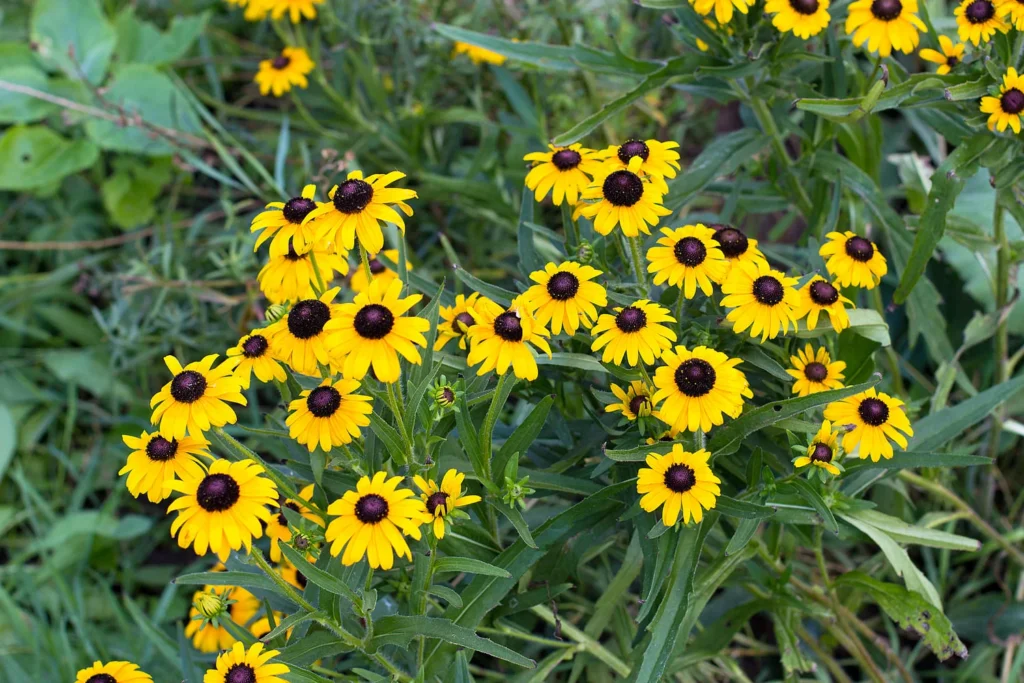
2. Black-Eyed Susan (Rudbeckia hirta)
A Native Wildflower That Works Hard
Black-Eyed Susan is more than just a cheerful yellow flower—it’s a powerhouse for sustainable landscapes.
Why Gardeners Love It
- Blooms from early summer to fall
- Extremely low maintenance
- Thrives in full sun
- Handles poor soil conditions
Sustainability Benefits
This plant requires very little water once established and thrives without chemical fertilizers. It’s ideal for homeowners who want sustainable gardens in North Carolina without constant upkeep.
Pollinator Support
- Attracts bees and butterflies
- Seeds provide food for birds in fall
- Supports beneficial insects
Ideal Placement
- Meadow-style gardens
- Borders and walkways
- Erosion-prone slopes
Black-Eyed Susan adds color, resilience, and ecological value to any sustainable garden design.
3. Switchgrass (Panicum virgatum)
The Backbone of Sustainable Landscapes
Switchgrass is a native ornamental grass that excels in North Carolina’s climate and soil conditions.
Why It’s a Sustainable Favorite
- Deep root system improves soil structure
- Excellent drought tolerance
- Handles both wet and dry conditions
- Requires minimal mowing or trimming
Environmental Impact
Switchgrass helps reduce soil erosion, improves water infiltration, and captures carbon deep underground—making it one of the most sustainable plant options available.
Seasonal Interest
- Blue-green summer foliage
- Golden fall color
- Winter texture for year-round appeal
Landscape Applications
- Privacy screens
- Rain gardens
- Naturalized landscapes
For homeowners focused on eco-friendly and sustainable gardens in North Carolina, switchgrass is a smart long-term investment.
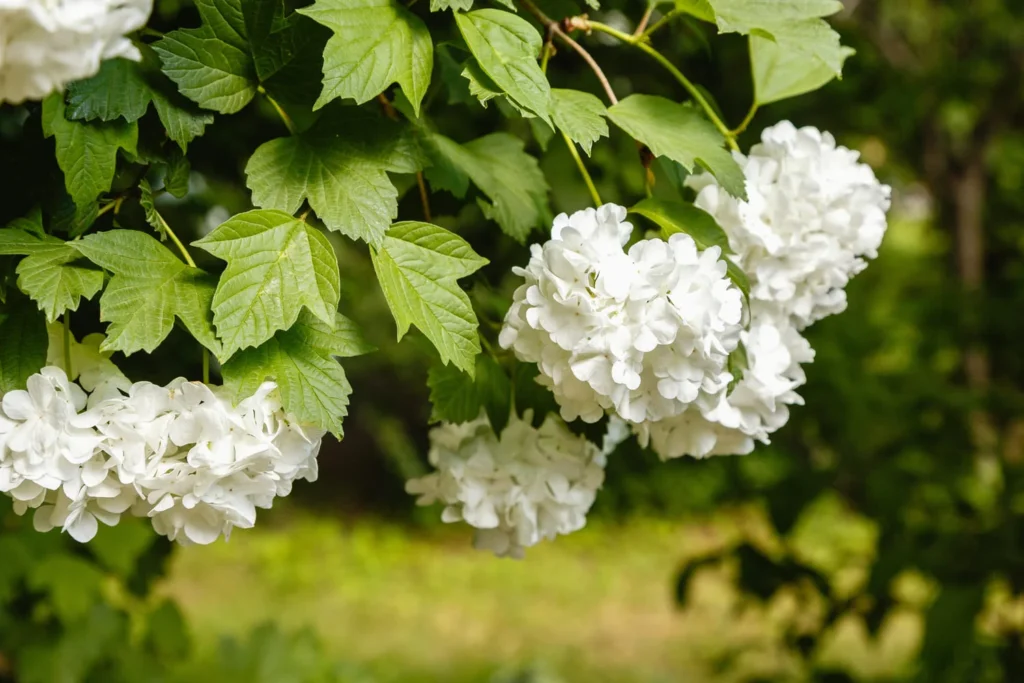
4. Oakleaf Hydrangea (Hydrangea quercifolia)
Native Beauty With Structure
Unlike non-native hydrangeas that require constant watering, Oakleaf Hydrangea is perfectly adapted to North Carolina’s climate.
What Makes It Special
- Large cone-shaped white blooms
- Oak-shaped leaves with stunning fall color
- Peeling bark for winter interest
- Thrives in partial shade
Sustainability Advantages
- Lower water needs than traditional hydrangeas
- Minimal pest problems
- Long lifespan with little intervention
Wildlife Benefits
- Shelter for birds
- Supports native insects
- Enhances woodland garden ecosystems
Best Locations
- Shaded garden beds
- Woodland edges
- Foundation plantings
Oakleaf Hydrangea proves that sustainable gardens in North Carolina can still feel elegant and refined.
5. Purple Coneflower (Echinacea purpurea)
A Pollinator Magnet With Staying Power
Purple Coneflower is one of the most versatile and recognizable native perennials in North Carolina.
Why It Thrives
- Long blooming season
- Strong drought tolerance
- Resistant to most pests
- Thrives in full sun
Sustainability Benefits
This plant requires little more than sunlight and occasional watering during establishment. Once mature, it’s nearly maintenance-free.
Ecological Value
- Attracts bees and butterflies
- Seeds feed birds in winter
- Supports beneficial insects
Design Uses
- Cottage gardens
- Pollinator gardens
- Mixed perennial borders
Purple Coneflower adds long-lasting color while reinforcing the goals of sustainable gardens in North Carolina.
How to Design a Sustainable Garden Using Native Plants
Choosing the right plants is only half the equation. Smart design ensures long-term success.
Group Plants by Water Needs
This reduces irrigation waste and keeps plants healthier.
Improve Soil Naturally
Use compost and mulch instead of synthetic fertilizers.
Reduce Lawn Areas
Replace high-maintenance turf with native plants and grasses.
Plan for All Seasons
Combine plants with spring blooms, summer color, fall foliage, and winter structure.
Common Mistakes to Avoid When Planting Native Species
Even native plants can struggle if installed incorrectly.
Avoid These Errors
- Overwatering
- Poor soil drainage
- Planting in the wrong light conditions
- Using chemical treatments unnecessarily
Understanding your site conditions is key to successful sustainable gardens in North Carolina.
Why Native Plants Increase Property Value
Eco-friendly landscaping is becoming a major selling point in real estate.
Benefits for Homeowners
- Improved curb appeal
- Lower maintenance costs
- Higher buyer interest
- Environmentally responsible image
Sustainable gardens aren’t just trendy—they’re practical investments.
Why Native Plants Increase Property Value
Eco-friendly landscaping is becoming a major selling point in real estate.
Benefits for Homeowners
- Improved curb appeal
- Lower maintenance costs
- Higher buyer interest
- Environmentally responsible image
Sustainable gardens aren’t just trendy—they’re practical investments.
FAQ Section
Are native plants better for sustainable gardens in North Carolina?
Yes. Native plants are better for sustainable gardens in North Carolina because they are adapted to the local climate, require less water, and resist pests naturally, reducing the need for chemicals.
Do native plants really reduce maintenance costs?
Native plants significantly reduce maintenance costs by lowering irrigation needs, minimizing fertilizer use, and decreasing plant replacement over time.
What is the easiest native plant to grow in North Carolina?
Black-Eyed Susan is one of the easiest native plants to grow in North Carolina due to its drought tolerance, long bloom season, and minimal care requirements.
Can native plants improve property value?
Yes. Sustainable gardens using native plants improve curb appeal, reduce long-term maintenance costs, and are increasingly attractive to environmentally conscious homebuyers.
Are native plants good for pollinators?
Absolutely. Native plants support bees, butterflies, birds, and beneficial insects that depend on them for food and shelter throughout the year.
Ready to Create a Sustainable Garden in North Carolina?
If you want expert guidance, professional installation, or a customized native plant landscape designed for your specific location, now is the perfect time to take action.
Contact a local landscaping professional today and start building a garden that lasts for generations.