Spring is the most important season for lawn care success. If you fertilize at the right time and in the right way, your lawn will reward you with thick, green, and healthy grass all year long. This spring lawn fertilization guide for 2026 will show you exactly when to fertilize, how to do it correctly, and what mistakes to avoid.
Whether you are a homeowner or a professional lawn care provider, understanding spring lawn fertilization is the key to better results, stronger roots, and fewer weeds.
Why Spring Lawn Fertilization Matters More Than Ever in 2026
After winter dormancy, grass needs nutrients to wake up and grow strong. Spring lawn fertilization jumpstarts root development and prepares your lawn for heat, drought, and heavy foot traffic later in the year.
In 2026, climate changes and unpredictable weather patterns make proper timing even more critical. Applying fertilizer too early or too late can do more harm than good.
Benefits of proper spring lawn fertilization:
Stronger root system
Faster green-up
Improved weed resistance
Better drought tolerance
Healthier lawn all season long
When to Fertilize Lawn in Spring (2026 Timing Guide)
One of the biggest mistakes homeowners make is fertilizing based on the calendar instead of soil temperature.
✅ Ideal soil temperature
The best time for spring lawn fertilization is when soil temperatures consistently reach 55°F (13°C).
This usually occurs when:
Grass begins active growth
Weeds like crabgrass start germinating
Daytime temperatures stay above 60°F
📍 Regional Timing (GEO Optimization)
Southern States: Late February – Early March
Mid-Atlantic & Southeast: Mid March – Early April
Midwest & Northeast: Late April – Early May
Pro tip: Use a soil temperature map instead of guessing.
Types of Grass and Spring Fertilizing Lawn Strategy
Not all lawns need the same fertilization approach.
Cool-Season Grasses
(Kentucky Bluegrass, Fescue, Ryegrass)
Require light spring lawn fertilization
Too much nitrogen causes excessive top growth
Focus on root health, not rapid growth
Warm-Season Grasses
(Bermuda, Zoysia, St. Augustine)
Fertilize only after full green-up
Late spring is usually ideal
Over-fertilizing too early can damage roots
Best Fertilizer for Spring Lawn Growth
Choosing the right fertilizer is just as important as timing.
Recommended N-P-K Ratio
For most lawns:
20-5-10 or 16-4-8
These ratios support balanced growth during spring lawn fertilization without overstimulating the grass.
Organic vs Synthetic Fertilizers
Type
Pros
Cons
Organic
Improves soil health
Slower results
Synthetic
Fast green-up
Higher burn risk
For 2026, many professionals recommend a hybrid approach combining both.
Common Spring Lawn Fertilization Mistakes to Avoid
Avoiding mistakes is crucial for long-term lawn health.
Fertilizing too early
Grass cannot absorb nutrients when soil is cold.
Using too much nitrogen
Causes shallow roots and disease risk.
Skipping soil testing
You may be adding nutrients your lawn doesn’t need.
Fertilizing before heavy rain
Leads to runoff and wasted fertilizer.
Step-by-Step Spring Lawn Fertilizer Schedule
Step 1: Soil Test
Always test your soil before spring lawn fertilization.
Step 2: Mow Before Fertilizing
Cut grass slightly lower to improve nutrient absorption.
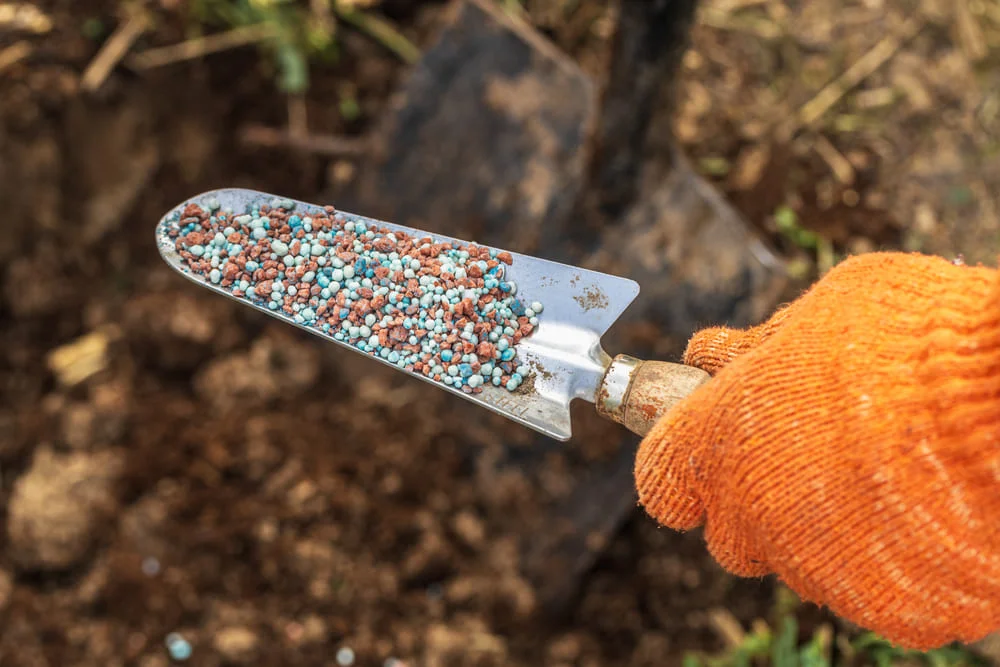
Step 3: Apply Fertilizer Evenly
Use a broadcast spreader for uniform coverage.
Step 4: Water Lightly
Helps fertilizer reach the roots without runoff.
Watering Tips After Spring Fertilizing Lawn
Watering is often overlooked but essential.
Light watering immediately after application
Avoid overwatering
Early morning watering is best
Proper watering ensures your spring lawn fertilization efforts are not wasted.
Weed Control & Fertilization: Do They Mix?
Yes—but timing matters.
Many spring fertilizers include pre-emergent weed control, which:
Prevents crabgrass
Reduces weed pressure
However, do not overseed when using pre-emergents.
If you want the best results in 2026, professional spring lawn fertilization services often pay for themselves.
Environmental Best Practices for 2026
Eco-friendly lawn care is no longer optional.
Use slow-release fertilizers
Avoid fertilizing near waterways
Apply only what your lawn needs
Sustainable spring lawn fertilization protects your lawn and the environment.
Spring Lawn Fertilization Trends for 2026
Soil-first lawn care
Reduced nitrogen formulas
Organic-based fertilizers
Smart spreader technology
Staying ahead of trends gives your lawn a competitive edge.
Final Checklist: Perfect Spring Lawn Fertilization
✔ Soil temperature above 55°F ✔ Correct fertilizer ratio ✔ Even application ✔ Light watering ✔ No rain in forecast
Get a Greener Lawn This Spring
Mastering spring lawn fertilization in 2026 is about timing, balance, and smart decisions. When done correctly, your lawn will be greener, thicker, and healthier throughout the entire year.
Don’t guess—follow a proven strategy and avoid costly mistakes.
Want a perfect lawn without the hassle? Our professional spring lawn fertilization services are designed to deliver fast, long-lasting results.
Customized fertilizer plans Local experts Eco-friendly solutions