



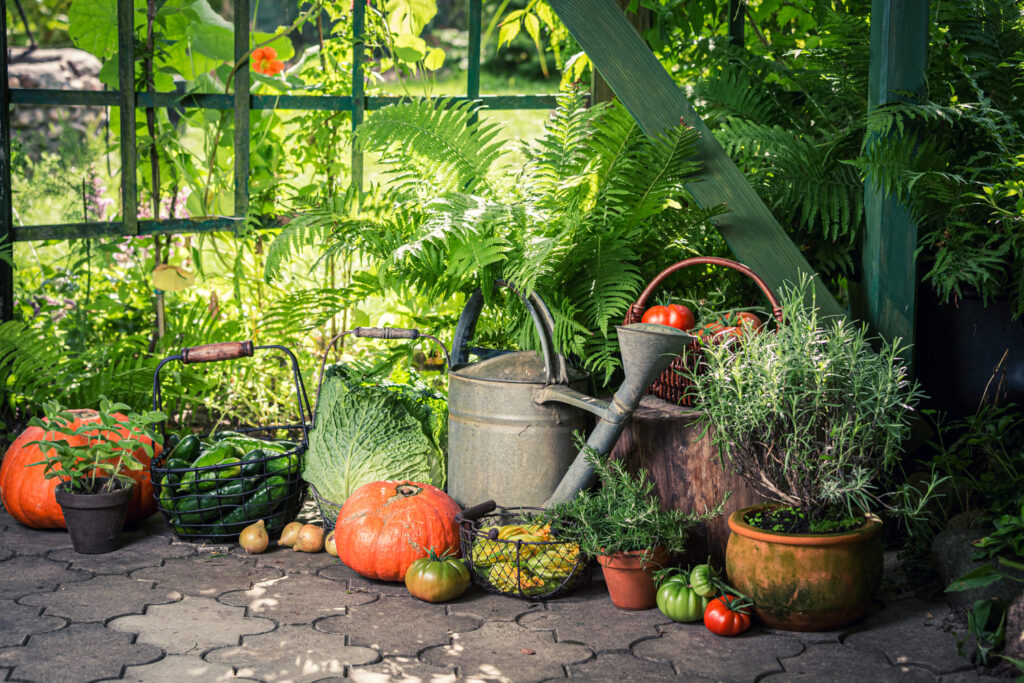






As homeowners across North Carolina look for smarter, more sustainable ways to enhance their outdoor spaces, edible landscaping is rapidly becoming one of the most valuable and future-proof garden trends for 2026. Also known as foodscaping, this approach blends traditional landscape design with edible plants, allowing you to grow fruits, vegetables, herbs, and even edible flowers—without sacrificing beauty or curb appeal.
Unlike conventional gardens that separate aesthetics from functionality, edible landscaping offers the best of both worlds. Your yard becomes visually stunning and productive. In a time when food costs are rising, sustainability matters more than ever, and homeowners want maximum value from their properties, edible landscaping is no longer a niche idea—it’s a strategic investment.
In this guide, you’ll discover why edible landscaping is gaining momentum in North Carolina, how it works, and why partnering with a professional landscaping company can make all the difference.
What Is Edible Landscaping?
Foodscaping is the strategic integration of edible plants into a structured landscape design. Unlike traditional vegetable gardens that are often hidden in backyards, this approach incorporates food-producing plants into visible and decorative areas of your property.
Examples include:
- Blueberry bushes replacing traditional hedges
- Rosemary and lavender as border plants
- Fruit trees as focal points
- Kale and Swiss chard used for colorful ground cover
The result is a landscape that looks professionally designed while producing fresh, usable food.
Why Edible Landscaping Is a Smart Choice in 2026
1. Rising Food Costs Make Edible Landscaping Practical
Rising Food Costs and Smarter Home Investments
As grocery prices continue to rise, homeowners are looking for long-term solutions that provide consistent value. Growing food at home is no longer seen as a hobby—it’s a practical investment.
A professionally designed edible garden can:
- Reduce grocery expenses
- Provide fresh, chemical-free produce
- Increase overall property value
This makes food-producing landscapes especially appealing for families focused on sustainability and financial efficiency.
2. Perfect Fit for North Carolina’s Climate
A professional edible landscaping plan ensures plant selection aligns with soil type, sun exposure, and seasonal cycles.
North Carolina’s climate supports a wide variety of fruits, vegetables, and herbs. With the right planning, local soil and weather conditions allow productive landscapes to thrive throughout multiple seasons.
Popular plant options include:
- Blueberries
- Figs
- Apples
- Collard greens
- Peppers
- Rosemary
- Basil
Local expertise ensures the right plants are selected for long-term success.
3. Increased Property Value and Curb Appeal
Modern buyers value sustainability. A thoughtfully designed edible landscaping layout adds unique curb appeal and positions your property as eco-conscious and forward-thinking.
Unlike traditional vegetable gardens, foodscaping:
- Looks intentional and upscale
- Enhances architectural features
- Complements hardscaping and lawns
This makes edible landscaping a powerful real estate differentiator in competitive North Carolina markets.
Edible Landscaping vs Traditional Landscaping
| Feature | Traditional Landscaping | Edible Landscaping |
|---|---|---|
| Visual Appeal | High | High |
| Functional Value | Low | Very High |
| Food Production | None | Yes |
| Sustainability | Moderate | High |
| ROI | Visual only | Visual + financial |
Sustainability and Environmental Benefits
Reduced Environmental Impact
Growing food at home lowers dependency on transported produce, packaging waste, and industrial agriculture.
Improved Soil Health
Food-producing landscapes often rely on soil enrichment, mulching, and organic treatments that improve long-term soil structure.
Efficient Water Use
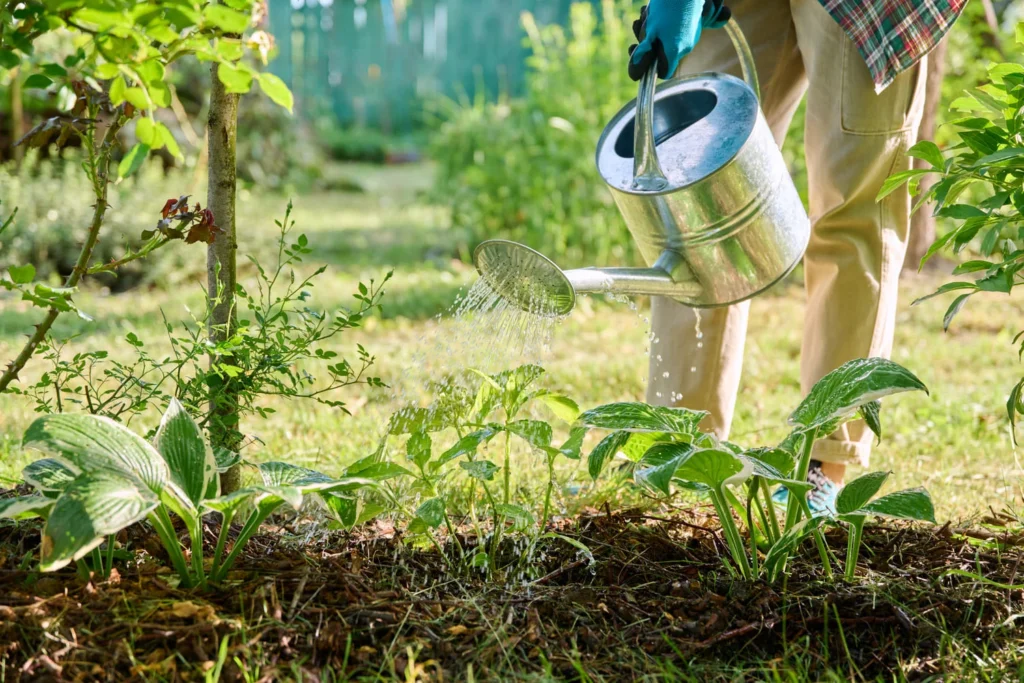
When designed correctly, edible plants can be grouped based on water needs, reducing waste and improving irrigation efficiency.
Common Myths About Edible Landscaping
“It Looks Messy”
Modern edible landscaping is structured, symmetrical, and visually refined when designed by professionals.
“It’s Hard to Maintain”
With proper planning and seasonal maintenance, edible landscaping can be easier than traditional lawns.
“It Attracts Pests”
Balanced plant selection and professional care actually reduce pest issues compared to unmanaged gardens.
Front Yards: A Growing Trend
In 2026, front-yard edible landscaping is becoming mainstream. Homeowners are replacing high-maintenance lawns with productive, attractive plantings that comply with HOA and city regulations when designed properly.
Front-yard foodscaping:
- Enhances street-level aesthetics
- Encourages sustainable living
- Maximizes usable space
Long-Term Cost Savings
Although edible landscaping may have a higher upfront investment than basic landscaping, the long-term financial benefits are substantial.
You save on:
- Grocery bills
- Fertilizers (through composting)
- Lawn maintenance costs
- Replacement plants
Maintenance: What to Expect
Professional maintenance typically includes:
- Seasonal pruning
- Soil enrichment
- Pest monitoring
- Harvest planning
- Plant rotation
This ensures your edible landscaping remains productive, attractive, and healthy year after year.
Why 2026 Is the Best Time to Start Edible Landscaping
Consumer demand for sustainability, self-sufficiency, and smart outdoor design is stronger than ever. In 2026, edible landscaping aligns perfectly with:
- Eco-friendly living
- Health-focused lifestyles
- Property value optimization
- Modern landscape aesthetics
Early adopters gain the most long-term value.
Soil Preparation: The Foundation of Successful
Before planting any food-producing landscape, proper soil preparation is essential. Even the best-designed edible garden can underperform if the soil is compacted, nutrient-poor, or unable to retain moisture. That’s why services like fertilization and aeration should always be completed before installing fruits, vegetables, and herbs in North Carolina.
Why Fertilization Is Critical Before Planting
EFood-producing plants require richer soil than traditional ornamental landscapes. Vegetables, fruit trees, and herbs rely on consistent nutrients to establish strong roots and produce healthy yields.
Professional fertilization helps:
- Restore essential nutrients in depleted soil
- Improve microbial activity and soil balance
- Support root development from the start
- Increase long-term productivity of edible plants
Preparing the soil with proper fertilization ensures your garden starts strong and remains productive season after season.
Aeration: Unlocking the Soil for Edible Landscaping
Compacted soil is one of the most common challenges in North Carolina lawns. Aeration breaks up dense soil, allowing air, water, and nutrients to reach plant roots more efficiently.
Benefits of aeration include:
- Improved water absorption
- Reduced soil compaction
- Deeper and stronger root systems
- Better nutrient uptake
For food-producing landscapes, aeration is a critical step that directly impacts plant health and long-term success.
Fertilization + Aeration: The Winning Combination
For best results, fertilization and aeration should be completed before planting edible landscaping. This combination creates the ideal growing environment and significantly increases the success rate of foodscaping projects.
Skipping soil preparation often leads to:
- Poor plant establishment
- Low yields
- Increased pest and disease issues
- Higher long-term maintenance costs
Investing in soil preparation upfront protects your edible landscaping investment.
Why Fertilization and Aeration Should Come First
Combining fertilization and aeration before planting creates the ideal growing environment for fruits, vegetables, and herbs. Skipping this step often leads to weak plants, poor yields, and higher maintenance costs over time.
Proper soil preparation helps prevent:
- Slow plant establishment
- Nutrient deficiencies
- Drainage problems
- Premature plant failure
Starting with healthy soil protects your investment and ensures better results.
Professional Soil Preparation
At P&G Landscaping, we prepare your landscape the right way before planting begins. Our fertilization and aeration services are tailored to North Carolina soil conditions and designed specifically to support edible landscaping installations.
By addressing soil health first, we ensure your foodscaping project delivers:
- Strong plant establishment
- Long-lasting productivity
- Healthier, more resilient landscapes
Start With the Soil. Succeed With Edible Landscaping.
If you’re considering edible landscaping, the first step isn’t planting—it’s proper soil preparation. Fertilization and aeration create the foundation your landscape needs to thrive.
👉 Contact P&G Landscaping today to schedule fertilization and aeration services and prepare your yard for a successful edible landscaping transformation.
👉 Explore our 2026 Guide: Annual Garden Maintenance North Carolina to understand the essential tasks your landscape needs each season to stay healthy, productive, and visually appealing.