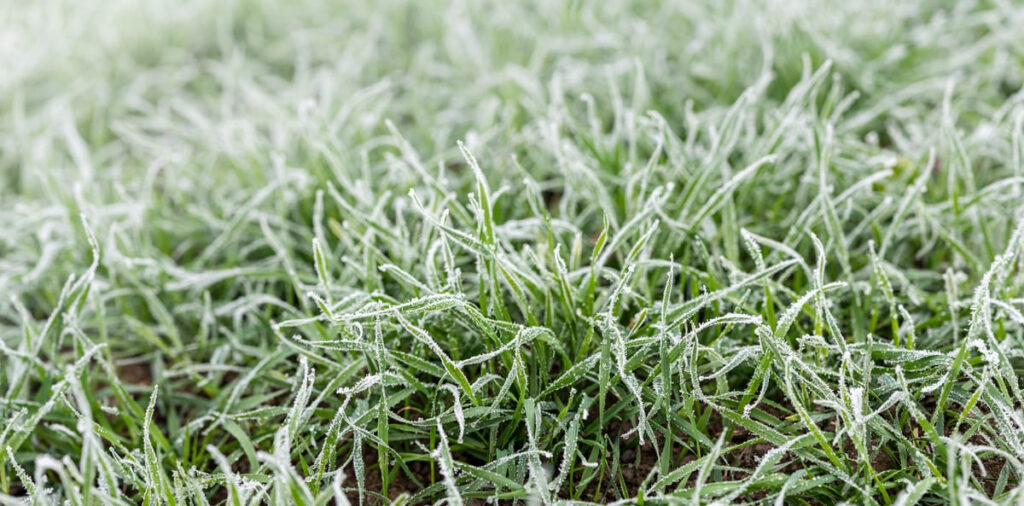
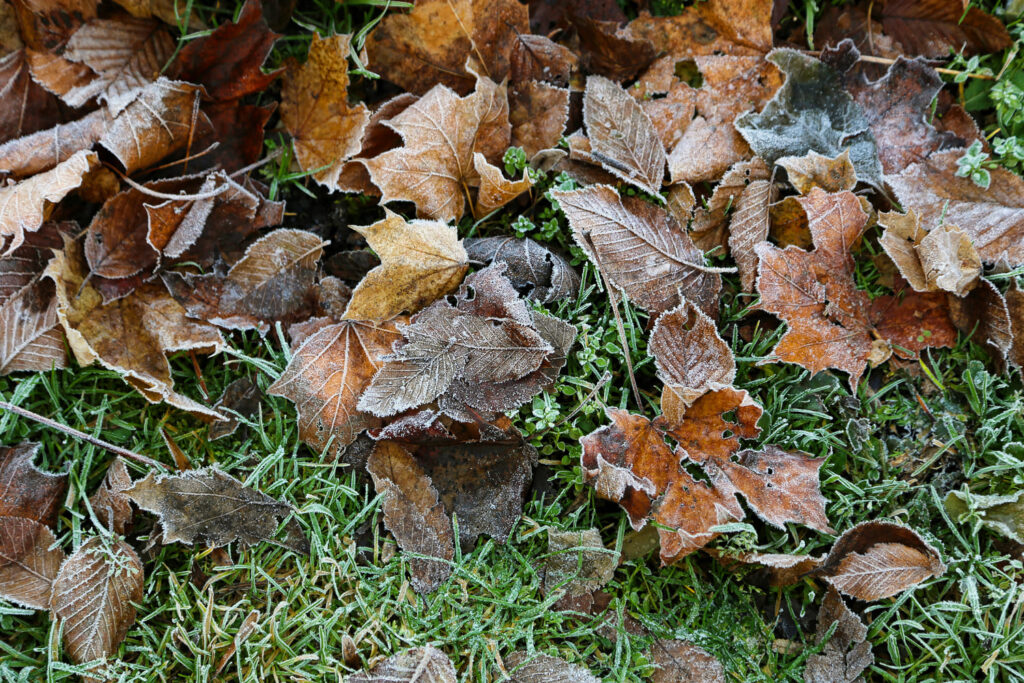
Winter can be one of the most damaging seasons for your lawn if it is not properly prepared. Cold temperatures excess moisture frost and reduced sunlight all put stress on grass especially in regions like North Carolina where winter conditions can fluctuate. Understanding the most common winter lawn problems allows homeowners to take preventive action and protect their lawn before serious damage occurs.
This guide covers the 10 most common winter lawn problems and explains exactly how to prepare your lawn to avoid long term damage and ensure a healthy recovery in spring.
1 Compacted Soil
One of the most common winter lawn problems is soil compaction. During winter the soil becomes denser due to rain foot traffic and freezing temperatures. Compacted soil restricts the flow of oxygen water and nutrients to the roots which weakens the grass and slows growth.
How to prevent damage
Perform core aeration in fall before winter begins
Avoid heavy foot traffic on frozen or wet lawns
Improve soil structure with proper fertilization
Proper aeration allows your lawn to breathe during winter and prevents root suffocation.
2 Snow Mold and Fungal Diseases
Snow mold is a fungal disease that appears as circular patches of gray or pink grass after snow melts. While more common in colder climates it can still affect lawns in mild winter regions when moisture stays trapped.
How to prevent damage
Avoid excessive nitrogen fertilization late in the season
Mow grass to the correct height before winter
Remove leaves and debris that trap moisture
Healthy airflow and proper lawn care reduce fungal risk significantly.
3 Thinning Grass and Bare Spots
Winter stress weakens grass blades and roots which can lead to thinning turf and bare patches. These areas are vulnerable to weeds and erosion once spring arrives.
How to prevent damage
Overseed in early fall to thicken turf
Maintain proper mowing height before dormancy
Ensure consistent nutrient availability
A thick lawn entering winter is far more resistant to damage.
4 Frost Damage
Frost can cause grass blades to become brittle and easily damaged. Walking on frosted grass breaks the blades and damages the crown of the plant.
How to prevent damage
Avoid walking or driving on frosted lawns
Delay mowing during frost conditions
Improve lawn density before winter
Minimizing traffic during frost protects the grass structure.
5 Poor Drainage and Standing Water
Excess moisture during winter can suffocate roots and promote disease. Poor drainage areas often suffer the most damage during cold wet months.
How to prevent damage
Improve drainage with aeration
Correct grading issues where water collects
Avoid overwatering during winter
Good drainage is essential for winter lawn survival.
6 Weed Growth During Winter
Some weeds thrive in cooler temperatures and can take advantage of weakened lawns. Winter weeds compete for nutrients and create problems in spring.
How to prevent damage
Apply pre emergent weed control in fall
Maintain a dense healthy lawn
Spot treat visible weeds when weather allows
Preventive weed control reduces spring infestations.
7 Nutrient Deficiency
Winter lawns still need nutrients to maintain root health even though growth slows. A lack of essential nutrients weakens grass and delays spring green up.
How to prevent damage
Apply a balanced fall fertilizer
Avoid excessive nitrogen late in the season
Focus on potassium for root strength
Proper nutrition supports winter resilience.
8 Damage from Foot Traffic
Frozen or dormant grass is less resilient to pressure. Foot traffic compresses soil and damages grass crowns leading to dead spots.
How to prevent damage
Limit walking paths across the lawn
Use designated walkways
Educate family members about winter lawn care
Reducing traffic protects lawn structure.
9 Insect Activity Beneath the Surface
Some insects remain active beneath the soil during winter and feed on weakened roots. This hidden damage becomes visible in spring.
How to prevent damage
Maintain healthy soil conditions
Address pest issues before winter
Encourage deep root growth
Healthy lawns are less susceptible to winter pests.
10 Delayed Spring Recovery
Poor winter preparation leads to slow spring recovery uneven growth and persistent damage. Lawns that struggle in winter require more repairs later.
How to prevent damage
Prepare the lawn in fall with aeration and overseeding
Maintain proper mowing height
Schedule early spring lawn inspections
Preparation is the key to a strong spring comeback.
Winter Lawn Care Challenges in North Carolina
Lawns in North Carolina face unique winter challenges due to fluctuating temperatures compacted clay soil and seasonal moisture. Preparing your lawn properly is essential to avoid long term damage and ensure strong spring growth.
What Causes Winter Lawn Damage
Winter lawn damage is caused by cold temperatures excess moisture compacted soil reduced sunlight and improper fall preparation. These factors weaken grass roots and delay spring recovery.
Frequently Asked Questions
Q: Is winter lawn damage permanent A: Most winter lawn damage is temporary if proper spring care aeration and overseeding are performed early.
Q: Should I fertilize my lawn in winter A: Fertilization should be done in late fall not mid winter to support root strength without forcing growth.
Q: When should I aerate my lawn in North Carolina A: The best time to aerate lawns in North Carolina is early fall before winter stress begins.
How to Prepare Your Lawn for Winter Success
To avoid these common winter lawn problems homeowners should focus on proactive lawn care before winter arrives. Core aeration overseeding proper fertilization and consistent maintenance all play critical roles in protecting your lawn.
Professional lawn care services help ensure that your lawn receives the right treatments at the right time. A well prepared lawn not only survives winter but thrives when spring returns.
Winter does not have to damage your lawn. By understanding the most common winter lawn problems and taking preventive action, you can protect your grass roots maintain soil health and ensure a green healthy lawn year round.
Proper winter lawn preparation saves time money and frustration while delivering long lasting results. Start preparing early and your lawn will reward you when warmer weather arrives.
A productive and healthy landscape doesn’t happen by chance. Long-term success depends on proper seasonal care, soil management, and timely maintenance throughout the year.